Best Time to Visit China - A Month-by-Month Guide by Region
China spans roughly the same latitudes as the United States, from tropical Hainan Island (latitude 18°N, comparable to Hawaii) to subarctic Heilongjiang (latitude 53°N, level with northern Canada). There is no single “best time to visit China” — there is a best time for each region and each type of experience. Here is how to match your dates to your destinations.
The Short Answer
Overall best months: April–May and September–October. These windows offer mild temperatures across most of the country, minimal rain and the best conditions for walking, hiking and sightseeing.
But the full picture is more interesting than that.
Spring (March–May)
Temperatures: 50–77°F (10–25°C) across most of the country. Wildflowers in bloom, green hillsides, comfortable walking conditions.
Where to Go
| Destination | Why Spring |
|---|---|
| Wuyuan, Jiangxi (婺源) | Rapeseed flower fields transform the countryside into a yellow sea — dubbed “China’s most beautiful village.” Peak bloom: mid-March to early April. |
| Hangzhou West Lake (西湖) | Spring is the classic season — peach blossoms and willow trees along the lake paths. |
| Yunnan Province | Flowers across the highlands, comfortable temperatures. Kunming is called the “City of Eternal Spring” for good reason. |
| Guilin | Spring rains fill the Li River — the karst peaks reflected in still, rain-softened water are the quintessential Chinese landscape painting. |
| Luoyang, Henan (洛阳) | Peony Festival in April — millions of blooming peonies in a city that was capital of 13 dynasties. |
Local Tip: Spring in Beijing can be dusty due to sandstorms from the Gobi Desert. March is the worst month; by mid-April the air clears. Check the AQI (air quality index) forecast before booking outdoor days in northern China.
Summer (June–August)
Temperatures: 80–100°F (27–38°C) in the eastern lowlands. Hot, humid and rainy in central and southern China. But this is the best season for highland and northern destinations.
Where to Go
| Destination | Why Summer |
|---|---|
| Zhangjiajie, Hunan (张家界) | Sandstone pillars wreathed in summer mist — the landscape that inspired Avatar’s floating mountains. Cooler than the cities due to elevation. |
| Jiuzhaigou, Sichuan (九寨沟) | Turquoise lakes and multi-colored pools at their most vivid. July–September is the peak water and color season. |
| Qinghai Lake (青海湖) | The largest lake in China, surrounded by blooming rapeseed flower fields in July and August. High altitude keeps temperatures comfortable. |
| Namtso Lake, Tibet (纳木错) | 15,475 ft (4,718 m) sacred lake — accessible July–September when the road is ice-free. Stark, high-altitude beauty. |
| Qingdao (青岛) | Seaside city with beaches, colonial German architecture and China’s most famous beer festival in August. |
| Dali / Lijiang, Yunnan | Never too hot — the high elevation (6,500–8,000 ft / 2,000–2,400 m) keeps summer temperatures in the 70s°F (low 20s°C). |
Summer Challenges
- Rainy season: Central and southern China (Yangtze River basin) gets heavy rain June–July. Pack a reliable umbrella.
- Heat and humidity: Cities like Wuhan, Chongqing and Nanjing are among the hottest and most humid in the world during July–August. Schedule outdoor activities for early morning.
- School holidays: Chinese schools break July–August, meaning domestic tourism peaks. Book trains and hotels well ahead.
Avoid: Wuhan, Chongqing, Nanjing and Nanchang in July–August if you are sensitive to heat. These “furnace cities” (火炉城市) regularly exceed 100°F (38°C) with oppressive humidity.
Autumn (September–November)
Temperatures: 50–75°F (10–24°C) across most regions. This is the gold standard season for China travel.
Where to Go
| Destination | Why Autumn |
|---|---|
| Beijing — Fragrant Hills (香山) | Crimson maples covering the western hills. Peak color: mid-October to early November. |
| Kanas, Xinjiang (喀纳斯) | Called “God’s Palette” — birch forests turn gold, larches turn orange, all against glacier-blue lake water. September is the peak month. |
| Xi’an | Crisp autumn air with golden ginkgo trees lining the streets around the Big Wild Goose Pagoda. The city feels ancient in the best way. |
| Great Wall (any section) | The Wall threads through hillsides of red and gold foliage. October is the single best month for Great Wall photography. |
| Yangtze River Three Gorges | Autumn light on the steep gorge walls, calm water, comfortable temperatures for deck viewing on cruise ships. |
| Daocheng Yading, Sichuan (稻城亚丁) | Called “the last pure land on the blue planet” — golden meadows below snow peaks and glacier-fed lakes. October is prime time. |
Local Tip: Kanas in late September is one of the most visually spectacular places on Earth — but it requires advance planning. The nearest airport is in Burqin (Altay Airport), a 5-hour drive away. Book accommodation in Jiadengyu (the base village) weeks ahead, as rooms fill during the brief peak color window.
Winter (December–February)
Temperatures: -4°F to 50°F (-20°C to 10°C) depending on region. Northern China is genuinely cold — Beijing can reach -4°F (-20°C). Southern China stays mild.
Where to Go
| Destination | Why Winter |
|---|---|
| Harbin, Heilongjiang (哈尔滨) | Ice and Snow World — enormous ice sculptures lit from within, ice swimming, ice lanterns. January is peak month. Temperatures can drop to -22°F (-30°C). |
| Lhasa, Tibet (拉萨) | Counter-intuitively excellent in winter. Daytime temperatures reach 50°F (10°C) due to intense sunshine. Almost no tourists. Hotels at half price. |
| Hainan Island (海南) | Tropical beach escape — 75–85°F (24–29°C) when the rest of China is freezing. Sanya is the main resort area. |
| Xiamen, Fujian (厦门) | Mild coastal city (55–65°F / 13–18°C). Gulangyu Island is charming without the summer crowds. |
| Xishuangbanna, Yunnan (西双版纳) | Tropical rainforest climate — warm year-round (65–80°F / 18–27°C). Dai ethnic culture, night markets and jungle treks. Best January–March. |
Month-by-Month Quick Reference
| Months | Best Destinations | Climate Summary |
|---|---|---|
| January–March | Lhasa, Xiamen, Hainan, Xishuangbanna, Harbin | South is warm and pleasant. North is cold but offers snow festivals. |
| April–June | Hangzhou, Wuyuan, Guilin, Qingdao, Zhangjiajie | Spring flowers, comfortable temperatures, moderate crowds. |
| July–September | Jiuzhaigou, Kanas, Qinghai Lake, Namtso, Dali | Highland escapes from the lowland heat. Best mountain and lake scenery. |
| October–December | Beijing (Fragrant Hills), Xi’an, Harbin, Three Gorges, Daocheng | Autumn colors in October, winter festivals from December. |
When NOT to Visit
National Day Golden Week (October 1–7)
Do not travel in China during this week. Every attraction, train, hotel and restaurant is at maximum capacity. Prices surge 2–3x. The Great Wall at Badaling becomes a shoulder-to-shoulder shuffle. The Forbidden City caps daily visitors at 80,000 — and hits that cap by 10:00 AM. If you must travel during this period, go to remote areas where domestic tourists do not.
Spring Festival (Chinese New Year, dates vary — late January to mid-February)
The largest annual human migration on Earth — hundreds of millions of Chinese people travel home. Train tickets are nearly impossible to book. Many small businesses close for 1–2 weeks. Cities empty out (which is actually pleasant for sightseeing), but inter-city transport is chaotic.
Summer Peak (July–August)
Chinese schools are on break and families travel in force. Top attractions become crowded. Train tickets for popular routes sell out quickly. Hotels raise rates 30–50%.
Temperature and Packing by Season
| Season | Temperature Range | Packing Priority |
|---|---|---|
| Spring (April–May) | 50–77°F (10–25°C) | Layers — mornings cool, afternoons warm. Light jacket, long-sleeve shirts, comfortable walking shoes. |
| Summer (June–August) | 80–100°F (27–38°C) | Sunscreen SPF 50+, breathable clothing, umbrella for sudden downpours, sandals and walking shoes. |
| Autumn (September–October) | 50–75°F (10–24°C) | Light jacket for evenings, layers for flexibility. Best conditions — minimal special gear needed. |
| Winter (December–February) | -4 to 50°F (-20 to 10°C) | Varies enormously by region. Harbin: insulated parka, thermal underwear, heavy boots. Guangzhou: light sweater. Check your specific destinations. |
Local Tip: China’s north-south temperature difference in winter can exceed 60°F (33°C). On the same January day, Harbin might be -22°F (-30°C) while Sanya is 82°F (28°C). Pack for your actual destinations, not “China” generically.
Key Festivals and Events
| Event | When | Where | Notes |
|---|---|---|---|
| Harbin Ice Festival | January–February | Harbin | World’s largest ice sculpture festival. Opening ceremony in early January. |
| Spring Festival / Chinese New Year | Late January – mid-February | Nationwide | 15-day celebration. Spectacular in Beijing and rural areas. Difficult for travel logistics. |
| Luoyang Peony Festival | April | Luoyang | Millions of blooming peonies. |
| Dragon Boat Festival | May–June (varies) | Nationwide | Dragon boat races, zongzi (sticky rice dumplings). |
| Mid-Autumn Festival | September–October (varies) | Nationwide | Mooncakes, lanterns, full moon viewing. |
| National Day | October 1–7 | Nationwide | Avoid major attractions. Flag-raising on Tiananmen Square; military parades only on major anniversaries (next 2029). |
Regional Climate Summary
Understanding China’s geography helps you plan around the weather:
| Region | Cities | Summer (Jun–Aug) | Winter (Dec–Feb) | Best Months |
|---|---|---|---|---|
| North (Beijing, Xi’an) | Hot and dry (90°F / 32°C), occasional storms | Cold and dry (25°F / -4°C), snow possible | Apr–May, Sep–Oct | |
| Northeast (Harbin, Dalian) | Warm and pleasant (80°F / 27°C) | Severely cold (-4°F / -20°C), heavy snow | Jun–Sep, Jan–Feb (for ice festival) | |
| East (Shanghai, Hangzhou) | Hot and humid (95°F / 35°C), monsoon rain | Cool and damp (40°F / 4°C) | Apr–May, Oct–Nov | |
| South (Guangzhou, Guilin) | Very hot and humid (95°F / 35°C), heavy rain | Mild (55°F / 13°C), pleasant | Oct–Dec, Mar–Apr | |
| Southwest (Chengdu, Kunming) | Warm, rainy season (82°F / 28°C) | Mild (45°F / 7°C), overcast | Mar–Jun, Sep–Nov | |
| Tibet / High plateau | Cool and sunny (65°F / 18°C), rainy afternoons | Cold and dry (30°F / -1°C), clear skies | May–Oct | |
| Northwest (Xinjiang, Gansu) | Hot and dry (95°F / 35°C), long daylight | Very cold (10°F / -12°C), snow | Jun–Sep | |
| Hainan Island | Hot and tropical (90°F / 32°C), typhoon risk | Warm and pleasant (75°F / 24°C) | Nov–Mar |
What to Pack by Season
| Season | Essentials | Special Considerations |
|---|---|---|
| Spring (Apr–May) | Light layers, comfortable walking shoes, compact umbrella | Sandstorms possible in northern China during March. Bring a face mask if visiting Beijing in early spring. |
| Summer (Jun–Aug) | SPF 50+ sunscreen, breathable clothing, umbrella, insect repellent | Dehumidifier bags for luggage in southern cities. Wet wipes. Quick-dry clothing. |
| Autumn (Sep–Oct) | Light jacket, comfortable shoes, camera | Layer for temperature swings — mornings can be cool, afternoons warm. Best all-around season. |
| Winter (Dec–Feb) | Thermal base layers, insulated jacket, gloves, lip balm, moisturizer | Northern China is extremely dry — pack heavy moisturizer. Hand warmers are cheap and available everywhere in China. |
Local Tip: China’s north-south winter difference is the biggest packing challenge. If your trip includes both Beijing and Guilin in January, you need a subzero parka for Beijing and a light sweater for Guilin — a temperature difference of up to 50°F (28°C) on the same day. Plan your luggage around the coldest destination and layer down for warmer stops.
Sources: KKday China four-season travel guide, GetYourGuide, China Highlights. Temperature data reflects average ranges. Mountain destinations are significantly cooler than nearby cities at the same latitude. Always check 10-day forecasts before departure.
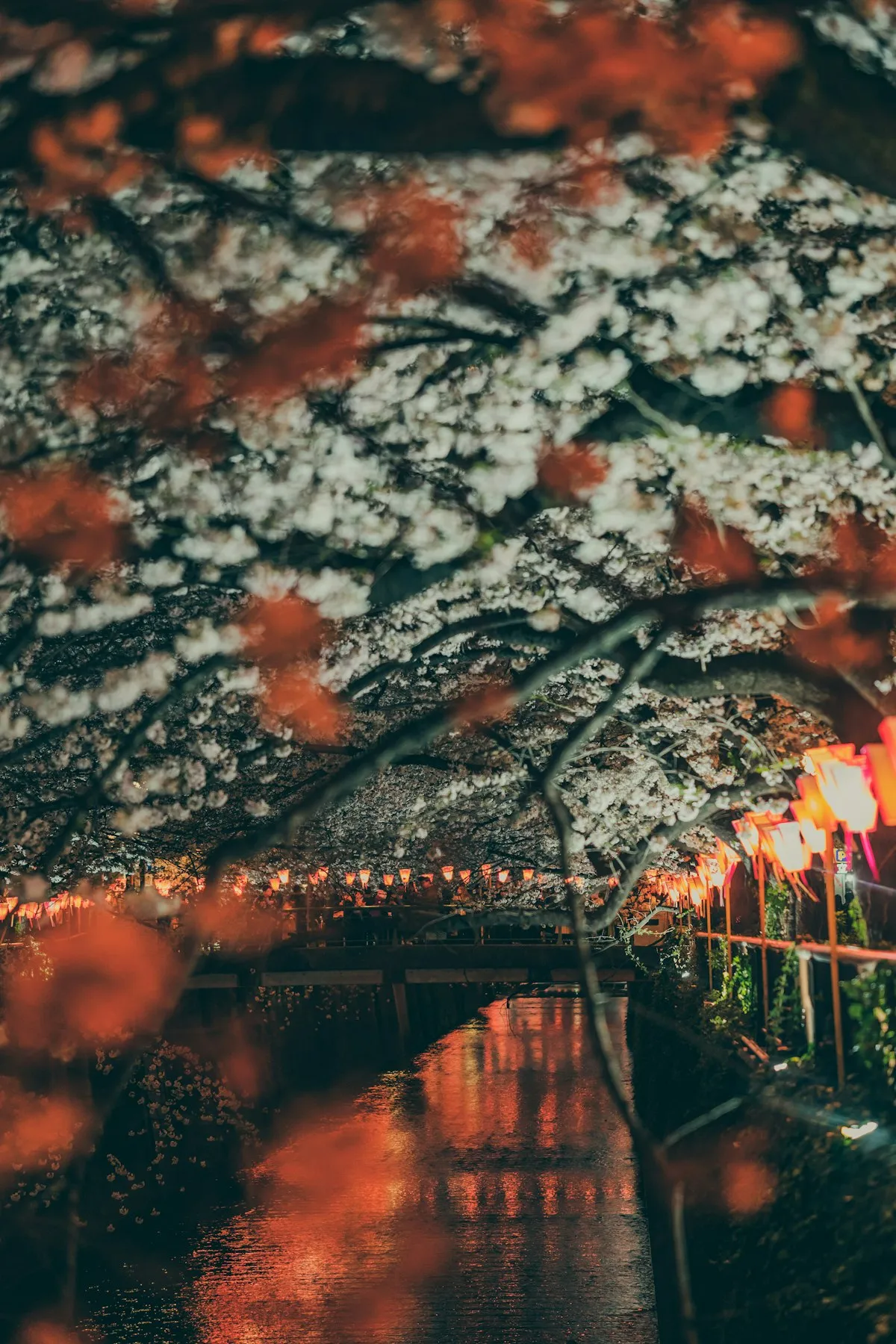 Spring blooms along the Su Causeway at West Lake, Hangzhou — the classic season for China’s most romantic city.
Related Articles
- China Packing List (2026) — What to bring for each season
- Beijing Travel Guide (2026) — Autumn is peak season for the capital
- Hidden Gems in China — Seasonal recommendations for off-the-beaten-path destinations