Backpacking China on $20-50 a Day - The Complete Budget Guide
China is one of the best-value travel destinations in Asia, and the gap between what budget travelers spend and what they get is wider than almost anywhere else. A bowl of hand-pulled noodles costs ¥8 ($1.20). A bed in a clean hostel dorm runs ¥40–60 ($6–9). High-speed trains cross the country for less than a domestic flight in Europe. The trick is knowing where to save and where to spend. This guide gives you the numbers.
Quick Answer: Most backpackers spend $20–50 (¥150–350) a day in China. At $15–22 (¥100–150) you sleep in hostel dorms and eat street food; at $22–37 (¥150–250) you get a smaller dorm, restaurant meals, and paid attractions; at $37–52 (¥250–350) you have a private room and full flexibility. The same budget goes further in Tier-2 and Tier-3 cities (Chengdu, Chongqing, Kunming) than in Beijing or Shanghai. See the full breakdown below.
The Budget Framework
| Level | Daily (¥) | Daily ($) | Monthly (¥) | Monthly ($) |
|---|---|---|---|---|
| Shoestring | ¥100–150 | $15–22 | ¥3,000–4,500 | $442–664 |
| Budget backpacker | ¥150–250 | $22–37 | ¥4,500–7,500 | $664–1,107 |
| Comfortable budget | ¥250–350 | $37–52 | ¥7,500–10,500 | $1,107–1,550 |
| Mid-range | ¥350–600 | $52–89 | ¥10,500–18,000 | $1,550–2,655 |
The target range for most backpackers is $20–50 per day (¥150–350), which delivers a genuinely comfortable experience — private room some nights, restaurant meals, paid attractions and occasional splurges.
How to Save on Transport
Between Cities
| Method | Cost per km | Example | Verdict |
|---|---|---|---|
| Regular train (hard seat) | ¥0.1–0.2 | Beijing → Xi’an: ~¥100 ($15) | Cheapest. Uncomfortable for 10+ hours. |
| Regular train (hard sleeper) | ¥0.2–0.3 | Beijing → Xi’an: ~¥200 ($30) | Best value. Saves a night’s accommodation. |
| High-speed rail (2nd class) | ¥0.4–0.5 | Beijing → Xi’an: ¥515 ($76) | Fast and comfortable. 50–70% more expensive than regular trains. |
| Long-distance bus | ¥0.1–0.2 | Varies | Necessary for remote areas. |
| Flight (budget airline) | Varies | Xi’an → Guilin: ¥400–1,000 ($59–148) | Best for long distances when booked ahead. |
Key strategy: Take overnight hard-sleeper trains for long distances. You save on accommodation and travel while you sleep. A hard sleeper berth costs roughly half the high-speed rail price for the same route.
Local Tip: Book train tickets through the 12306 app or website (supports foreign passports). Tickets open 13 days before departure. Popular routes sell out within hours — set an alarm for the release time.
Within Cities
| Method | Cost | Notes |
|---|---|---|
| Public bus | ¥1–2 ($0.15–0.30) | Flat fare in most cities |
| Metro / subway | ¥2–7 ($0.30–1.00) | Distance-based pricing |
| Shared bike (monthly pass) | ¥15–20 ($2.20–3.00) | Meituan Bike or Hellobike — unlimited 30-minute rides |
| DiDi (ride-hailing) | ¥1.5–2.5/km ($0.22–0.37) | Split with fellow travelers at hostels |
| Bus day pass | ¥15–20 ($2.20–3.00) | Available in some cities |
Daily local transport budget: ¥10–25 ($1.50–3.70)
How to Save on Accommodation
| Type | Price per Night (¥) | Price per Night ($) |
|---|---|---|
| Hostel 8-bed dorm | 30–50 | $4.40–7.40 |
| Hostel 4–6 bed dorm | 50–80 | $7.40–11.80 |
| Hostel private double | 80–150 | $11.80–22.10 |
| Budget hotel chain | 120–250 | $17.70–36.90 |
| Guesthouse single room | 80–200 | $11.80–29.50 |
| Camping (at scenic areas) | 0–50 | $0–7.40 |
| Monthly apartment rental | 800–2,500/month | $118–369/month |
Recommended hostels (from traveler reports):
- Chengdu: Lazybones Hostel — social atmosphere, cheap bar, central location
- Shanghai: Backpackers 10 Years Hostel — well-run, good common areas
- Dali / Lijiang: Dense hostel zones with beds from ¥30 ($4.40)
Money-saving strategies:
- Couchsurfing works well in major cities — generous local hosts, and it is free
- Monthly apartment rentals (¥800–2,500 / $118–369) average ¥27–83 ($4–12) per night — dramatically cheaper than daily rates
- Negotiate guesthouse rates in person, especially in low season. Walk-in prices are often 30–40% below online listed rates
- Stay in university districts — cheap eats, cheap hostels, young crowd
How to Save on Food
| Meal Type | Cost per Meal (¥) | Cost ($) |
|---|---|---|
| Street breakfast (baozi, youtiao, soy milk) | 5–10 | $0.74–1.50 |
| Noodle / rice bowl at a local shop | 10–25 | $1.50–3.70 |
| Stir-fry dishes at a restaurant | 15–40 | $2.20–5.90 |
| Street snacks (jianbing, skewers, milk tea) | 3–15 | $0.44–2.20 |
| Self-catered meal (hostel kitchen) | 8–15 | $1.20–2.20 |
| Daily food total | 40–80 | $5.90–11.80 |
Where locals eat:
- University cafeterias and surrounding restaurants — huge portions, low prices
- Community canteens (社区食堂) — ¥10–20 ($1.50–3.00) for a full meal
- Wet markets — buy fresh vegetables, tofu and eggs for hostel cooking at ¥10–15 ($1.50–2.20) per meal
- Food delivery apps (Meituan, Ele.me) — first-time user coupons can slash prices by 50%
Local Tip: Never eat inside a tourist attraction if you can help it. The food at scenic spots costs 2–3 times what you pay outside. Walk 5 minutes past the entrance gates and find a restaurant where taxi drivers eat — the food will be better and cheaper.
Avoid: The “tourist menu” restaurants near major attractions with picture menus and English translations. They exist to overcharge. Walk one more block to where the handwritten Chinese menus are.
How to Save on Attractions
| Type | Price Range (¥) | Strategy |
|---|---|---|
| Free attractions | 0 | Museums, parks, many old towns — China has a surprising number of free top-tier sites |
| Small temples and gardens | 10–30 | $1.50–4.40 |
| Mid-size scenic areas | 30–80 | $4.40–11.80 |
| Major AAAAA attractions | 80–200 | $11.80–29.50 |
| Student ticket (ISIC accepted) | 50% off | An international student card works at most Chinese attractions |
Additional strategies:
- Go early — some old towns and scenic areas do not start charging until 8:00 AM. Arrive at dawn and walk in free.
- Combo tickets — major scenic areas often sell multi-site passes that are 30–50% cheaper than buying individually.
- Off-season travel — both tickets and accommodation drop significantly from November to March.
Three Complete Daily Budget Plans
Plan A: Shoestring — ¥100–150 / $15–22 per Day
| Expense | ¥ | $ | Strategy |
|---|---|---|---|
| Accommodation | 30–50 | $4.40–7.40 | 8-bed dorm or Couchsurfing |
| Food | 35–55 | $5.20–8.10 | Street food + hostel cooking |
| Transport | 10–15 | $1.50–2.20 | Bus + walking + shared bike |
| Attractions | 10–15 | $1.50–2.20 | Free parks and museums primarily |
| Miscellaneous | 10–15 | $1.50–2.20 | Basic daily needs |
| Total | 95–150 | $14–22 |
This is tight but livable. You will eat well from street vendors, stay in social hostels and focus on free attractions. The trade-off is longer travel times (regular trains instead of high-speed) and shared dorm accommodation every night.
Plan B: Budget Backpacker — ¥150–250 / $22–37 per Day
| Expense | ¥ | $ | Strategy |
|---|---|---|---|
| Accommodation | 50–80 | $7.40–11.80 | 4–6 bed dorm |
| Food | 50–70 | $7.40–10.30 | Local restaurants + occasional splurge |
| Transport | 15–25 | $2.20–3.70 | Bus + metro + occasional taxi |
| Attractions | 20–40 | $2.95–5.90 | Mix of free and paid sites |
| Miscellaneous | 15–35 | $2.20–5.20 | Snacks, SIM card top-up, laundry |
| Total | 150–250 | $22–37 |
This is the sweet spot for most backpackers. You get a bed in a smaller dorm, restaurant meals, entry to paid attractions and enough flexibility to take a taxi when you need one.
Plan C: Comfortable Budget — ¥250–350 / $37–52 per Day
| Expense | ¥ | $ | Strategy |
|---|---|---|---|
| Accommodation | 80–150 | $11.80–22.10 | Private room in hostel or budget hotel |
| Food | 60–90 | $8.85–13.30 | Restaurants + regional specialties |
| Transport | 20–30 | $2.95–4.40 | Metro + taxi combination |
| Attractions | 40–60 | $5.90–8.85 | Full access to paid sites |
| Miscellaneous | 30–50 | $4.40–7.40 | Activities, shopping, souvenirs |
| Total | 230–380 | $34–56 |
At this level, you have genuine comfort — your own room, freedom to eat at any restaurant, all attractions accessible and budget for spontaneous experiences.
Top 10 Budget-Friendly Cities in China
| Rank | City | Daily Budget | Why |
|---|---|---|---|
| 1 | Chengdu | ¥120–180 ($18–27) | Free attractions, cheap food, relaxed pace |
| 2 | Chongqing | ¥100–160 ($15–24) | 8D cityscape, enormous number of free viewpoints, cheap hotpot |
| 3 | Kunming | ¥100–150 ($15–22) | Spring-like weather year-round, gateway to Yunnan |
| 4 | Xi’an | ¥120–180 ($18–27) | Rich history, massive cheap food portions |
| 5 | Guilin / Yangshuo | ¥120–180 ($18–27) | Karst scenery, cycling culture |
| 6 | Dali | ¥100–150 ($15–22) | Nomad haven, cheap long-term stays |
| 7 | Mangshi | ¥80–130 ($12–19) | Cheapest destination — Southeast Asian atmosphere |
| 8 | Lanzhou | ¥80–120 ($12–18) | Beef noodles for ¥8 ($1.20), Northwest character |
| 9 | Changsha | ¥100–160 ($15–24) | Night market culture, inexpensive snacks |
| 10 | Guiyang | ¥90–140 ($13–21) | Sour soup fish, siwawa (silkworm wraps) — cheap and delicious |
Seven Budget Travel Rules for China
-
Travel in shoulder or low season. Avoid October (National Day), January–February (Spring Festival) and July–August (school holidays). Accommodation and flights drop 40–60% outside these windows.
-
Book hostels 1–2 weeks ahead in peak season. Popular hostels in Chengdu, Dali and Shanghai fill up. Use Booking.com or Ctrip for reservations.
-
Take overnight trains for long distances. A hard sleeper berth replaces both transport and accommodation costs for the night. Beijing to Xi’an hard sleeper: ¥200 ($30) vs. high-speed rail ¥515 ($76) + hotel ¥80 ($12).
-
Eat where locals eat. Street food, university-area restaurants and wet markets. Avoid restaurants inside or immediately outside tourist sites.
-
Use your ISIC card. An International Student Identity Card gets you half-price admission at most Chinese attractions — from the Forbidden City to Zhangjiajie National Forest Park. The savings add up to hundreds of yuan over a multi-week trip.
-
Split costs with fellow travelers. Hostel bulletin boards, Xiaohongshu and WeChat travel groups are full of travelers looking to share taxi rides, group meals and tour costs.
-
Master the essential apps. Meituan (food delivery, hotel deals), 12306 (train tickets), Gaode Maps (navigation), Alipay / WeChat Pay (universal payment). These are not optional — they are how China functions.
Sample Budget: A 30-Day China Backpacking Trip
Here is a concrete example of a real 30-day budget at the backpacker level ($22–37/day):
| Item | Cost (¥) | Cost ($) |
|---|---|---|
| Accommodation (30 nights in 4–6 bed dorms) | 1,800 | $265 |
| Food (30 days, mix of street food and restaurants) | 1,800 | $265 |
| Inter-city transport (2 high-speed trains + 2 flights + overnight train) | 2,200 | $324 |
| Local transport (30 days of bus/metro/bike) | 500 | $74 |
| Attractions (10 paid sites + free sites) | 600 | $89 |
| SIM card + data (30 days) | 100 | $15 |
| VPN (monthly subscription) | 70 | $10 |
| Miscellaneous (laundry, toiletries, souvenirs) | 500 | $74 |
| 30-day total | 7,570 | $1,116 |
| Daily average | ¥252 | $37 |
This budget includes flights and is genuinely livable. You could reduce it to under $1,000 by replacing the two flights with overnight trains and eating more street food.
Money-Saving Myths Debunked
Myth: “China is always cheap.” Reality: Tier-1 cities (Beijing, Shanghai, Shenzhen) are expensive by Asian standards. A coffee at Starbucks in Shanghai costs the same as in New York. Budget travel works best in Tier-2 and Tier-3 cities.
Myth: “You need to haggle for everything.” Reality: Fixed pricing is now the norm in restaurants, shops, hotels and transport. Haggling is appropriate in markets, for taxi fares (if not using the meter) and for guesthouse rooms during low season. Do not haggle at restaurants, convenience stores or for street food.
Myth: “Cash is king.” Reality: Mobile payment is king. Cash is a backup. Attempting to pay with large bills (¥100) at small vendors sometimes draws suspicion — break large bills at convenience stores.
Myth: “Hostels are only for young people.” Reality: Chinese hostels increasingly attract travelers of all ages. Private rooms in hostels are often cleaner and better value than budget hotels in the same price range.
Budget data compiled from Traveloka, GetYourGuide, Nomad List and backpacker community reports. Prices reflect 2025-2026 conditions and may vary by season and city. The exchange rate used is approximately 1 USD = 6.78 CNY.
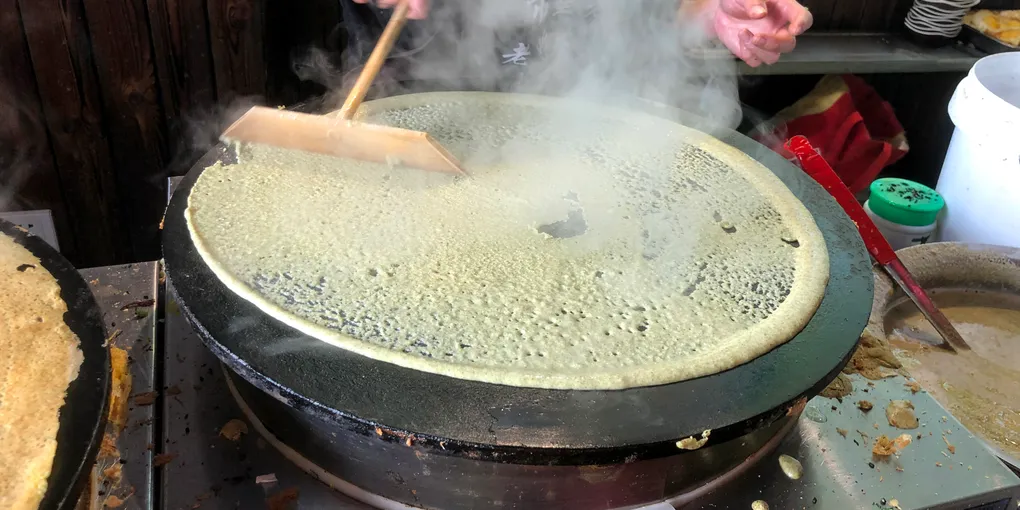
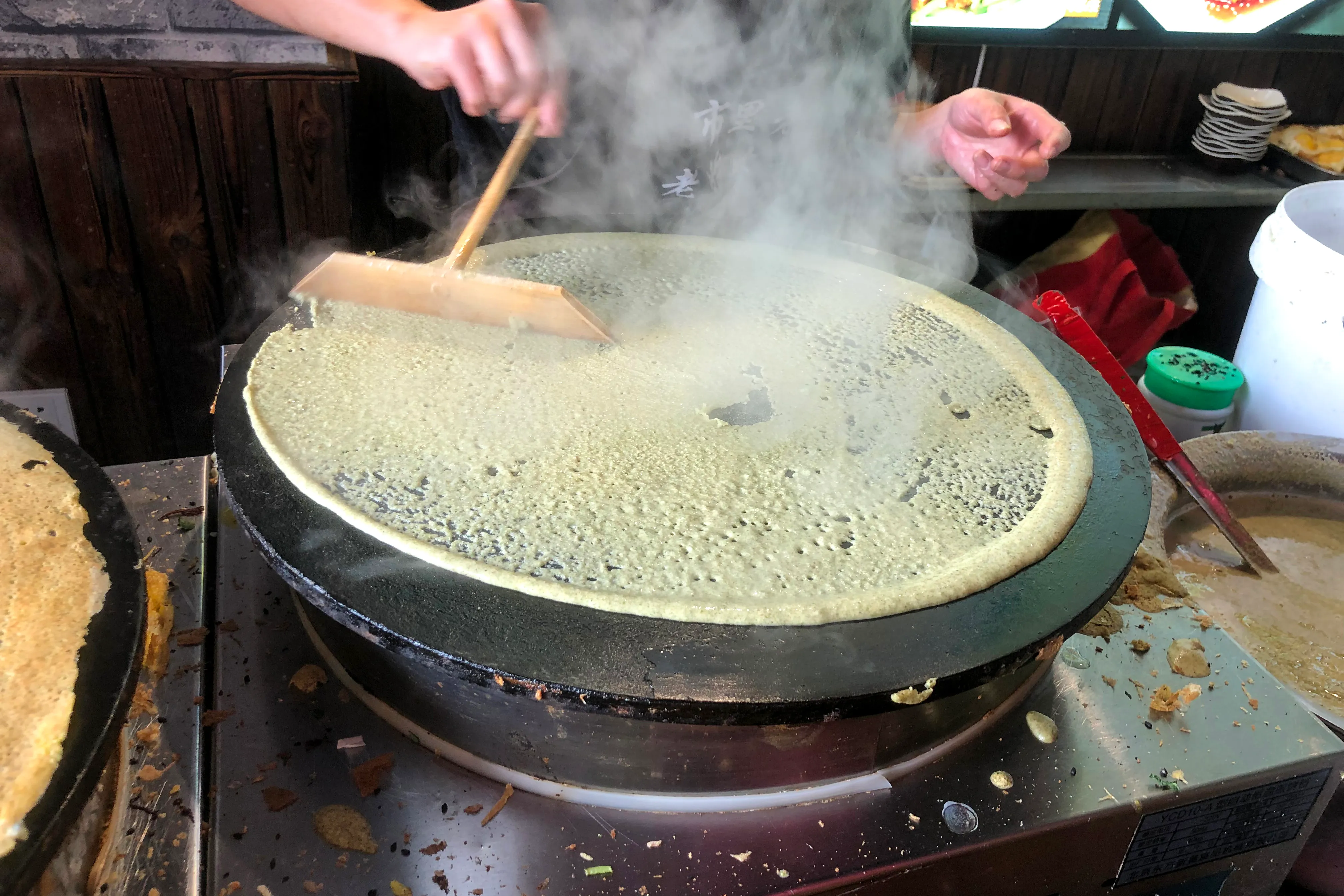 A street food vendor making jianbing (breakfast crepes) — a ¥5-15 ($0.74-2.20) meal that keeps backpacker budgets intact.
Related Articles
- 2 Weeks in China Itinerary — The classic route with budget estimates
- 7 Days in China Itinerary — A shorter route with daily cost breakdown
- Digital Nomad Guide to China — Monthly budgets for long-term stays
- How Foreigners Book Hotels in China — Saving on accommodation that accepts foreign guests
- How to Buy China Train Tickets (2026) — Saving money on inter-city transport