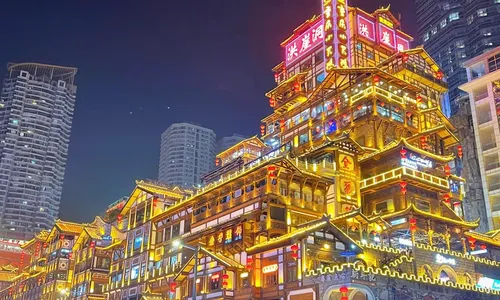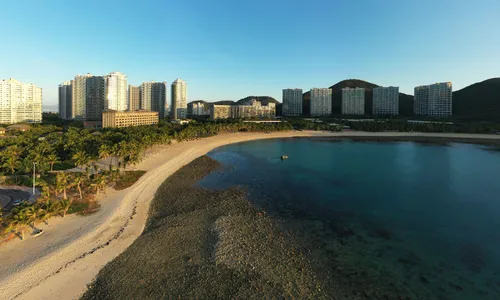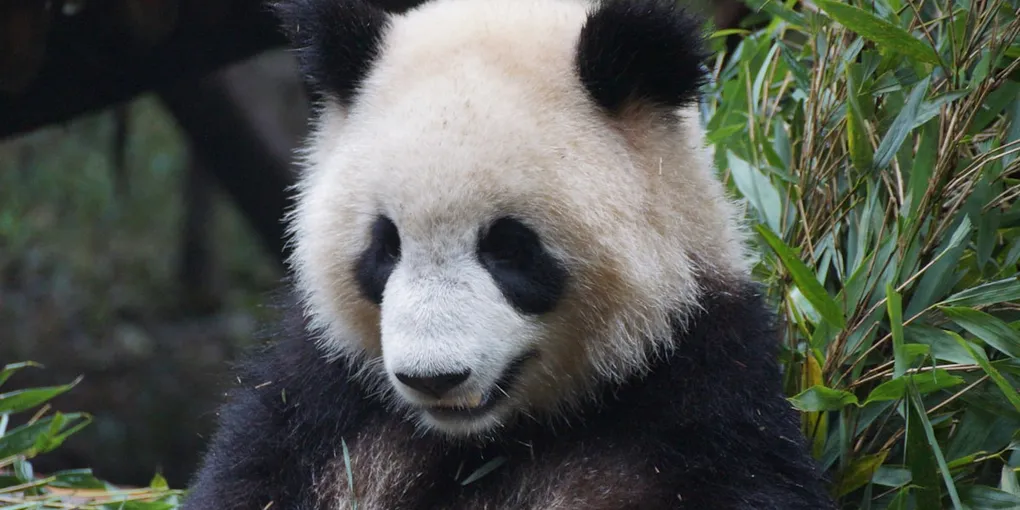
Chengdu Travel Guide - Pandas, Hot Pot, and the Art of Slow Living (2-3 Days)
Chengdu does not hurry. It is the capital of Sichuan province, a city of 21 million on a flat river plain, yet the day moves to the rhythm of bamboo teahouses, bubbling hot pot, and mahjong games in sunlit parks. Two things bring most travelers here: the giant pandas at the research base, where cubs tumble over each other through the morning, and Sichuan hot pot, seasoned with the numbing peppercorns the region is famous for.
For international travelers, Chengdu is the birthplace of Sichuan cuisine and the gateway to Tibet, with old lane-house neighborhoods sitting among the new downtown towers.
How we verified this: SinoWander reads Chinese-language sources that English guides cannot, including the Chengdu Research Base of Giant Panda Breeding official site, Dianping, the Michelin Guide Chengdu, and scenic-area WeChat booking accounts. We cross-check them before writing. We have not personally visited every location. Each guide is date-stamped when last verified: 2026-08-06. See our methodology.
Cultural Context
Chengdu is the capital of Sichuan province and one of China’s oldest cities, with a continuous urban history stretching back over 2,300 years. It was the capital of the Shu Kingdom during the Three Kingdoms period (220-280 AD), and the legacy of that era permeates the city — from the Wuhou Shrine honoring the legendary strategist Zhuge Liang to the red-lantern streets of Jinli. The city is also the center of Tujia and Tibetan cultural influence in western China, visible in the ethnic restaurants, teahouses, and craft traditions found throughout the old quarters. Chengdu is famously laid-back; the phrase “chashi” (tea house culture) encapsulates a civic philosophy of lingering over tea, mahjong, and conversation that baffles visitors from faster-paced Chinese cities.
When to Visit
March through June and September through November are the best windows. Summers (July — August) are sweltering and humid; winters are damp and gray (though mild by northern Chinese standards). Spring and autumn bring comfortable temperatures of 15-25 degrees C (59-77 degrees F) and the city’s famous food streets are at their most inviting.
2-3 Day Itinerary
Day 1: Pandas + Downtown
| Time | Activity | Duration |
|---|---|---|
| 7:00 AM | Depart for Panda Base | — |
| 7:30 AM — 12:00 PM | Chengdu Research Base of Giant Panda Breeding | 4+ hours |
| 12:30 PM | Lunch near Chunxi Road | 1 hour |
| 2:00 — 5:00 PM | Chunxi Road / IFS / Taikoo Li | 3 hours |
| 5:30 — 7:30 PM | Dinner: Hot pot | 2 hours |
| 8:00 PM | Jiuyanqiao Bar Street (optional) | Flexible |
The Chengdu Research Base of Giant Panda Breeding is the single most important stop in Chengdu. Home to over 200 giant pandas (including the internet-famous panda “Huahua”), this 247-hectare (610-acre) facility is both a research center and a forested sanctuary where you can observe pandas at close range.
Critical advice: Arrive before 8:00 AM. Pandas are most active during the morning feeding time. By 10:00 AM, most have retreated to the shade to sleep. If you want to see the celebrity panda Huahua, expect to queue for at least one hour.
- Tickets: 55 yuan (~$8); half-price for students (27 yuan). Free for seniors over 60 and children under 6.
- Reservation: Mandatory, up to 7 days in advance via the WeChat official account or panda.org.cn. Foreign visitors scan their passports at the gate.
- Getting there: Metro Line 3 to Xiongmao Dadao (Panda Avenue) station, then a short bus or taxi ride.
- Suggested route: South Gate -> Panda Museum -> Adult Panda Villas -> Sub-adult Panda Villas -> Sun Delivery Room -> Moon Delivery Room.
After the panda base, head to Chunxi Road and Taikoo Li — Chengdu’s premier shopping and dining district. The giant panda sculpture climbing the side of the IFS tower has become the city’s most photographed landmark.
In the evening, sit down for your first Sichuan hot pot. It is the dish most visitors fly to Chengdu to eat.
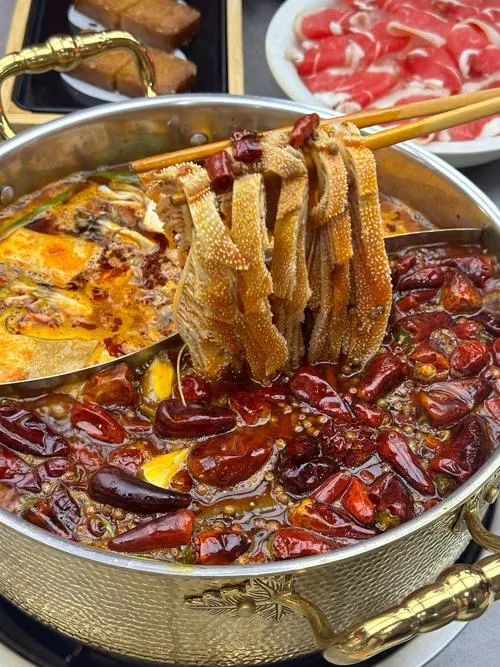 A golden pot of Sichuan hot pot; chopsticks lift a piece of beef tripe from the spicy red broth.
Local Tip: If you cannot tolerate spicy food, order a yuanyang guo (split pot) — half spicy, half mild bone broth. Tell the staff “wei la” (mildly spicy) or “mian la” (no spice). They have heard this request before and will accommodate you.
Recommended hot pot restaurants:
| Restaurant | Style | Price per Person |
|---|---|---|
| Shu Jiuxiang (Yulin location) | Classic Chengdu hot pot; 100+ Tripadvisor reviews | 80-130 yuan ($12-19) |
| Basu Dajiang | Signature fresh beef in spicy broth | 90-150 yuan ($13-22) |
| Xiaolongkan (Chunxi Road) | Nationwide brand that originated in Chengdu | 80-130 yuan ($12-19) |
| Liugongli Old Hot Pot | Neighborhood favorite; packed by 7 PM | 70-110 yuan ($10-16) |
| Shu Daxia (Chunxi Road) | Martial arts theme in a traditional courtyard | 80-130 yuan ($12-19) |
Must-order hot pot ingredients: maodu (beef tripe — dip using the “seven up, eight down” technique for exactly 15 seconds), duck intestines, huanghou (aorta), and mala niurou (spicy marinated beef).
Day 2: Culture + Street Food
| Time | Activity | Duration |
|---|---|---|
| Morning | Kuanzhai Alley (Wide and Narrow Alleys) | 2-3 hours |
| Midday | Lunch: dandan noodles and chaoshou | 1 hour |
| Afternoon | Wuhou Shrine + Jinli Ancient Street | 3-4 hours |
| Evening | Second hot pot meal or chuanchuan (skewers) | 2 hours |
Kuanzhai Alley (free admission) consists of three parallel Qing Dynasty-era lanes — Wide Alley, Narrow Alley, and Well Alley — lined with restored courtyard homes, teahouses, boutique shops, and restaurants. It is touristy but charming, especially in the morning before the crowds arrive.
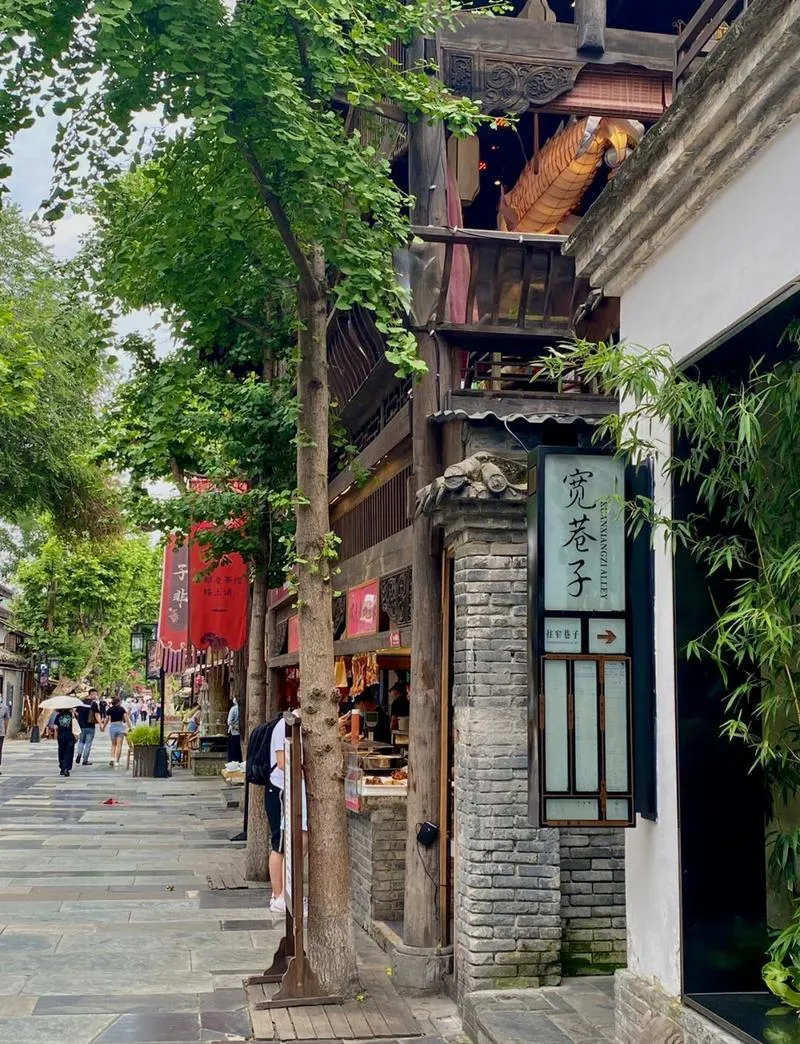 Kuanzhai Alley’s restored Qing-era lanes are quietest in the early morning.
Local Tip: For a more authentic old-Chengdu experience, visit People’s Park (Remin Gongyuan, free) and order tea at the Heming Teahouse. For about 15 yuan ($2), you get a cup of jasmine tea and a bamboo chair to sit in for as long as you like, surrounded by locals playing chess, practicing calligraphy, or getting their ears cleaned by professional ear-cleaners (a Chengdu tradition).
Wuhou Shrine (50 yuan / ~$7) is China’s only temple dedicated to both an emperor and his minister — Liu Bei and Zhuge Liang of the Three Kingdoms period (220-280 AD). The moss-covered paths, ancient cypress trees, and red-lacquered halls are worth the walk even if you skip the history. Reserve up to 14 days in advance via wuhouci.net.cn.
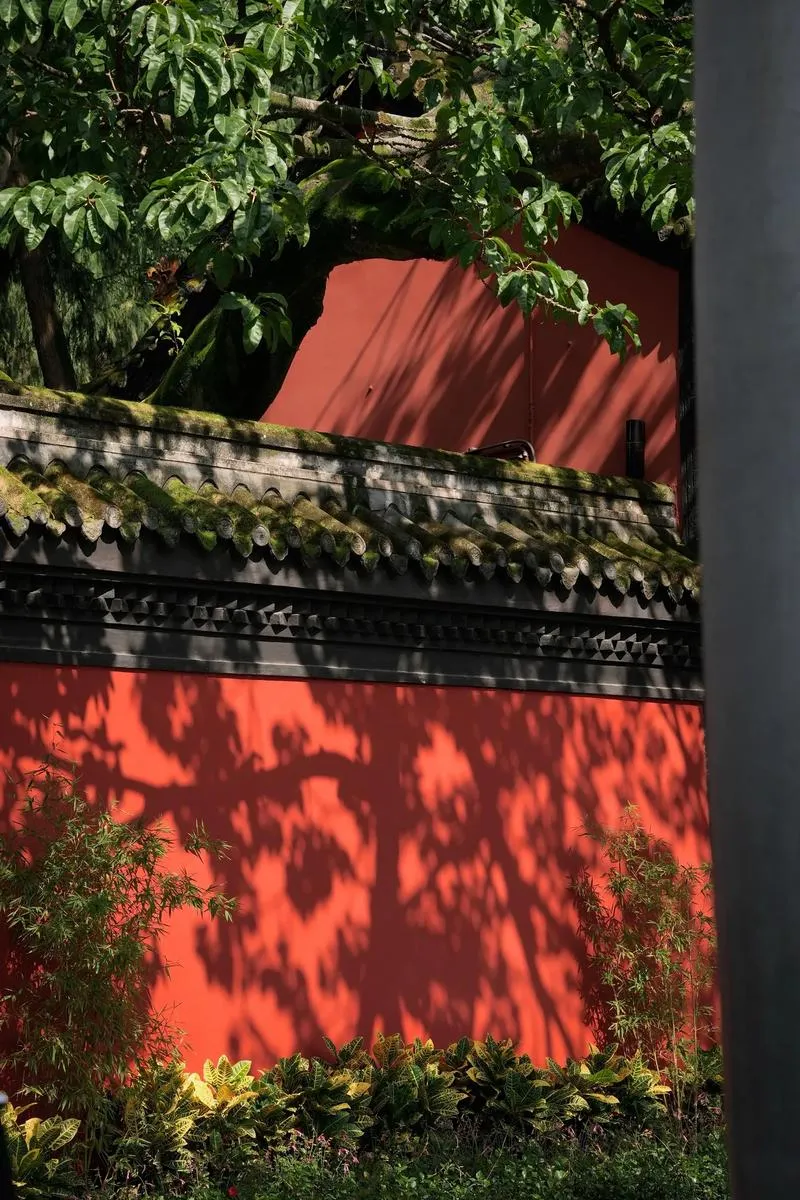 Red walls and tree shadows along the paths of Wuhou Shrine.
Immediately adjacent is Jinli Ancient Street (free), a reconstructed marketplace overflowing with street food stalls. This is your chance to sample bo bo ji (cold chicken skewers in chili oil), tianshui mian (sweet water noodles — a Chengdu exclusive), zhong shuijiao (dumplings in chili oil), and lai tangyuan (sweet glutinous rice balls).
Essential Chengdu dishes beyond hot pot:
| Dish | What It Is | Where to Try |
|---|---|---|
| Dandan noodles | Noodles in spicy sesame-chili sauce; invented in 1841 | Chengdu Dandan Noodles (44 Renmin Zhong Road) — about 9 yuan ($1.30) |
| Long chaoshou | Sichuan-style wontons in red broth; served at a G20 state banquet | Long Chaoshou flagship (63 Chengshou Street) — 30-60 yuan ($4-9) |
| Bo bo ji | Cold skewered meat and vegetables in numbing chili oil | Jinli food street |
| Mala tutou | Spicy rabbit head — Chengdu’s most hardcore snack | Local specialty restaurants |
| Tianshui mian | Thick noodles in a sweet and spicy sauce unique to Chengdu | Jinli or Kuanzhai Alley |
Day 3 (Optional): Day Trips
Option A: Qingcheng Mountain + Dujiangyan (World Heritage Sites)
Qingcheng Mountain is one of the birthplaces of Taoism, a misty peak covered in ancient temples and bamboo forests. The front mountain (80 yuan / ~$12) is more accessible; the back mountain (20 yuan / ~$3) is quieter and more rugged. Dujiangyan (80 yuan / ~$12) is a 2,300-year-old irrigation system that still functions today — an engineering marvel. Wear hiking shoes; the terrain is steep.
Option B: Sanxingdui Museum (Guanghan, about 37 miles / 60 km from Chengdu)
The newly opened (2023) Sanxingdui Museum showcases one of the most astonishing archaeological discoveries of the 20th century — bizarre, alien-like bronze masks and figures from a previously unknown Bronze Age civilization dating back 3,000 years. Tickets: 72 yuan (~$11). Advance reservation required.
Option C: Leshan Giant Buddha (day tour)
The world’s largest stone Buddha statue (71 meters / 233 feet tall), carved into a cliff face at the confluence of three rivers. Best visited as an organized day tour departing Chengdu in the morning and returning by late afternoon.
Where to Stay
Best area: Near Chunxi Road / Taikoo Li / Tianfu Square, the city center where dining, shopping, and transport converge.
| Budget | Price (per night) | Recommendations |
|---|---|---|
| Budget | 150-300 yuan ($22-44) | Chunxi Hotel (West Chunxi Road); Guilaiqi Boutique Hotel (near Xinnanmen Metro) |
| Mid-range | 300-600 yuan ($44-89) | Licheng Hotel (near Tianfu Square, 300m from metro); Ximu Qingju (near Chunxi Road); R Royalss Hotel (near Taikoo Li) |
| Luxury | 600+ yuan ($89+) | InterContinental Chengdu Chunxi voco (opened 2025); Hilton Canopy (Tianfu Square); Novotel Chunxi Road |
Getting Around
From the Airport
Chengdu Tianfu International Airport (TFU): Metro Line 18 reaches downtown in 37 minutes (express) / 45 minutes (regular). A taxi takes 60-80 minutes.
Chengdu Shuangliu International Airport (CTU): Metro Line 10 reaches downtown in 30-40 minutes. Taxi: 30-40 minutes.
City Transit
Chengdu’s metro system has 16 lines covering 672 km (417 miles). Fares start at 2 yuan (~$0.30). Major update for international visitors (July 2025): You can now tap your Visa, Mastercard, or American Express card directly at over 400 metro stations and on 7,000+ buses across the city. Bilingual ticket machines and signage are standard throughout the network.
Alternatively, pick up a Tianfutong “Guest Card” at the Tianfu Airport foreign visitor service center, or use Alipay/WeChat Pay.
Practical Information
Ticket Reservations
| Attraction | Price | Reservation |
|---|---|---|
| Panda Base | 55 yuan ($8) | Online, up to 7 days ahead (mandatory) |
| Kuanzhai Alley | Free | None |
| Wuhou Shrine | 50 yuan ($7) | 14-day advance booking |
| Jinli Street | Free | None |
| Du Fu Thatched Cottage | 50 yuan ($7) | Recommended |
| Qingcheng Mountain (front) | 80 yuan ($12) | Buy in advance |
| Dujiangyan | 80 yuan ($12) | Buy in advance |
| Sanxingdui Museum | 72 yuan ($11) | Required |
Budget Estimate (2-3 days, excluding flights)
| Category | Budget | Mid-Range | Comfortable |
|---|---|---|---|
| Accommodation (2 nights) | 300-600 yuan ($44-89) | 600-1,200 yuan ($89-177) | 1,200+ yuan ($177+) |
| Food | 200-400 yuan ($30-59) | 400-800 yuan ($59-118) | 800+ yuan ($118+) |
| Tickets | 100-200 yuan ($15-30) | 200-400 yuan ($30-59) | 200-400 yuan ($30-59) |
| Transport | 40-80 yuan ($6-12) | 80-200 yuan ($12-30) | 200+ yuan ($30+) |
| Total | ~640-1,280 yuan ($94-189) | ~1,280-2,600 yuan ($189-384) | ~2,400+ yuan ($354+) |
Local Tip: Chengdu saw over 1.56 million foreign visitor entries and exits in 2025 (up 45.8% year-over-year), and the city has dramatically improved its international tourist infrastructure. Take advantage of the foreign-card metro access and bilingual signage.
Avoid: Do not arrive at the Panda Base after 10:00 AM expecting active pandas. The animals are crepuscular (most active at dawn and dusk) and spend the hot midday hours sleeping. Aim for 8:00 AM, when the pandas are feeding and the crowds are still thin.
Essential Preparations
- Visa: Chengdu supports the 240-hour visa-free transit policy for eligible nationalities arriving at Tianfu or Shuangliu airports.
- Payment: Alipay and WeChat Pay linked to international cards work almost everywhere. Carry a small amount of cash for rural teahouses and street vendors.
- Spice tolerance: Sichuan cuisine uses both chili heat and the unique numbing sensation of Sichuan peppercorns (huajiao). The numbing effect is not something you can build tolerance for in the same way as capsaicin heat — it is an entirely different sensory experience. Order yuanyang guo (split pot) if you are unsure.
- Language: Download a translation app. English signage is improving but remains limited outside major attractions.
- Shoes: Chengdu is flat and walkable, but day trips to Qingcheng Mountain and Dujiangyan involve steep terrain.
- Identification: Carry your passport — it is required for panda base entry and hotel check-in.
Emergency Numbers
| Service | Number |
|---|---|
| Police | 110 |
| Ambulance | 120 |
| Fire | 119 |
| Consular protection | 12308 |
Sources & Verification
This guide was last verified on 2026-08-06. Key Chinese-language sources:
- 成都大熊猫繁育研究基地 (Chengdu Research Base of Giant Panda Breeding, panda.org.cn): Panda base ticketing, opening hours, and the morning cub-viewing window.
- 大众点评 (Dianping): Hot pot and Sichuan restaurant ratings, price ranges, and local-favorite picks.
- 米其林指南成都 (Michelin Guide Chengdu): Starred and Bib Gourmand Sichuan restaurants across the city.
- 景区官方微信 (Scenic-area WeChat accounts): Wuhou Shrine, Jinli, and Du Fu Thatched Cottage entry rules and hours.
See our full verification methodology.
Related Articles
- Chongqing Travel Guide (2026) — 1 hour from Chengdu by high-speed train
- Chinese Food Guide for Foreigners — Understanding Sichuan cuisine and beyond
- 2 Weeks in China Itinerary — Chengdu as part of a classic 14-day route