Lhasa Travel Guide (2026): The Foreigner's Ground Reality — Permits, the Potala Booking Trap, and What Old Guides Get Wrong
Lhasa is the one destination in China where the gap between English travel advice and on-the-ground reality is widest. The old guides tell you foreigners cannot enter the Potala Palace, that you can drive yourself around Tibet, that the Tibet Travel Permit is a $200 document you buy from an agent, and that the Potala is closed every Monday. In 2026, every one of those is wrong or outdated. This guide covers what actually happens when you land in Lhasa: permit checks, airport and train logistics, altitude, tickets, the Potala booking trap, food, where to stay, and the etiquette traps that get foreign visitors in trouble. It is the third angle in our Tibet series — our Tibet Travel Permit guide covers how to get the permit before you leave, and our overnight sleeper-train guide covers the ride in — this one is about Lhasa itself.
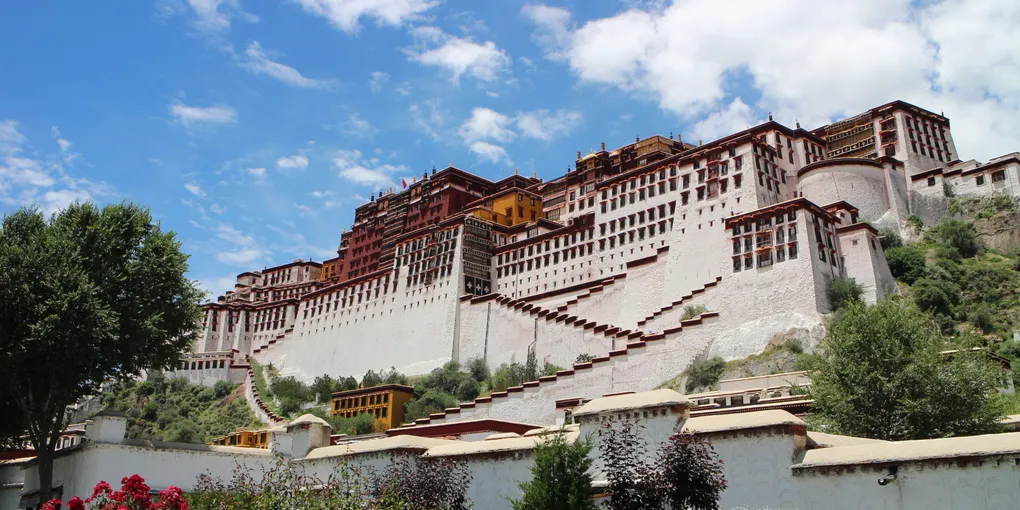
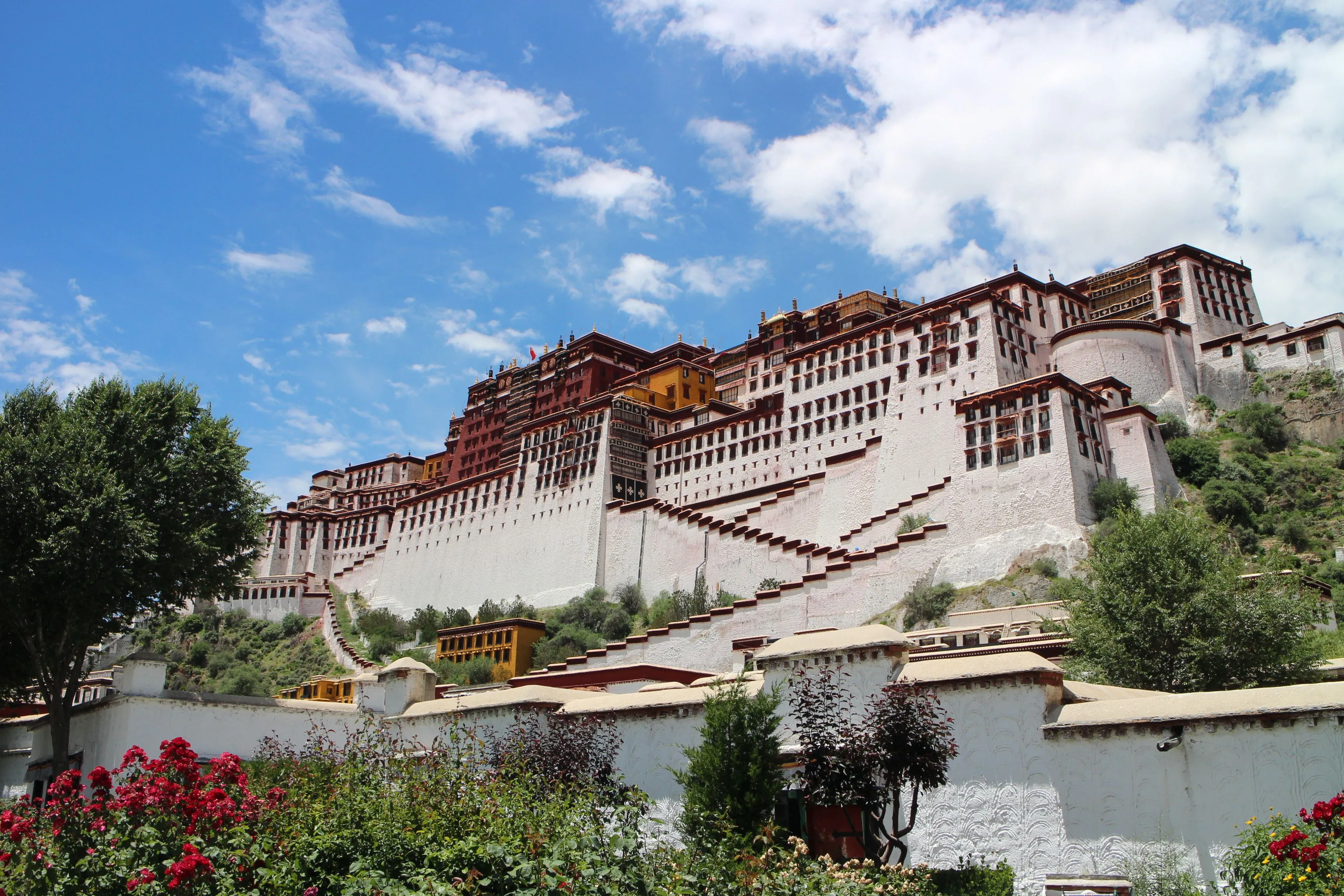 The Potala Palace: the image every Lhasa itinerary is built around, and the booking trap that catches most first-timers.
Quick answer: Foreign passport holders and Taiwan compatriots need a Tibet Travel Permit (TTP) and must travel on a licensed group tour — no independent travel, no self-driving. Since March 13, 2026, both flights and trains check the original permit, not a photocopy. Once in Lhasa you are at 3,650 m; rest for 24–48 hours before doing anything strenuous. The Potala Palace costs ¥200 in peak season, sells no same-day tickets, and is booked through a WeChat mini-program — and foreigners CAN enter (with a passport), despite what many English blogs claim. Best window is May–October.
How we verified this: SinoWander reads the original Chinese sources that English guides recycle without checking — the Tibet culture-tourism department’s ticket notices, the Potala Palace’s own ticketing announcement, Lhasa Gonggar Airport transport pages, and licensed Lhasa agencies’ dated 2026 permit pages. We ran a second deep-search fact-check on September 13, 2026 across ten topics (permit original rule, Potala booking, foreigner entry, self-driving ban, Yaowangshan price, Jokhang tickets, the Xining/Golmud boundary, oxygen-hotel prices, monastery hours, airport transport) and corrected three points in the draft before publishing. Each guide is date-stamped: last verified 2026-09-13. See our methodology.
Documents on the Ground: What Gets Checked in Lhasa
The permit is not something you “deal with once” before leaving. It gets checked in layers, and Lhasa is where the second layer lives.
Who needs the TTP to be in Lhasa at all. Any foreign passport holder (including overseas Chinese on a foreign passport) and Taiwan compatriots (with a Taibaozheng) must hold the Tibet Travel Permit to enter the Tibet Autonomous Region. Hong Kong and Macau residents with a Home Return Permit are exempt and travel freely. The permit is issued by the Tibet tourism authority, normally as two A4 sheets (one with your itinerary plus the agency, one with names, passport numbers, and an anti-counterfeit QR code). See our Tibet permit guide for the full who-needs-what table and the March-closure myth.
The March 13, 2026 original-document rule — the single most important update. From March 13, 2026, foreign tourists entering Tibet by plane or train must present the original permit at check-in and boarding — photocopies, PDFs, and phone screenshots are all rejected, and security checks each sheet. For years the rule was porous: some cities accepted a color photocopy for train boarding, and a few older Qunar/agency pages still say “bring a copy.” Those pages are recycling pre-2026 copy. If your agency hands you anything less than the physical original, you risk being turned away at the gate. Treat “original only” as the operating rule.
No independent travel — the consequence that shapes everything. Once in Tibet, foreign and Taiwan visitors cannot travel independently and cannot join a mainland Chinese散客 (individual) group. You must be on a tour organized by a licensed Tibet agency, with a dedicated certified guide and a dedicated vehicle, and the itinerary is filed in advance. You cannot apply for the TTP yourself; the agency holds it during the trip and returns it afterward — you do not carry it around.
Passport, and where it gets checked. Carry your passport original at all times in Lhasa. Checks come in two layers: (1) entry checks at the train station or airport when you arrive (plane or train), where the TTP original is verified; (2) on-site checks at Lhasa attractions — the Potala Palace, Jokhang Temple and others use ID + facial recognition at the gate (the Potala ticketing rules explicitly state “foreigners purchase with a permanent residence ID or passport”). Daily life in central Lhasa does not involve document checks, but leaving Lhasa (to Shigatse, Namtso, Yamdrok, or any border/frontier zone) requires the agency’s vehicle and guide, and checkpoints appear along the way.
The Xining / Golmud boundary. Xining and Golmud are both in Qinghai Province, outside Tibet. The TTP is a permit to enter Tibet, so stopping over or transferring in Xining or Golmud does not require it — only the leg that actually crosses into Tibet is checked. This is the same boundary our permit guide explains; it matters because many travelers first reach Xining by high-speed rail (see our high-speed rail guide) and join the train to Lhasa there.
Getting to Lhasa: Train, Flight, and City Transport
The flagship rail lines (reuse our sleeper-train guide). The Z21 Beijing West → Lhasa runs about 3,756 km in roughly 40h20m (departs Beijing West 19:49, arrives Lhasa ~11:47 on day three), crossing eight provinces on high-altitude 25T carriages with diffuse oxygen that switches on from Xining onward. The Z264 Guangzhou Baiyun → Lhasa runs about 4,974 km in roughly 53h27m (departs Guangzhou Baiyun 09:26, arrives Lhasa ~14:53 on day three); its origin moved from Guangzhou station to Guangzhou Baiyun station on February 9, 2026. Both require the TTP original. Full data and the “why the train beats the flight for altitude” logic are in our overnight sleeper-train guide.
Lhasa Gonggar Airport (LXA) — the usual air entry. The airport sits in Gongga County, Shannan Prefecture, about 60 km from central Lhasa (Tencent Maps routes it at 62.6 km / ~62 minutes; the common shorthand is “about 60 km, ~1 hour”). It is one of the provincial-capital airports farthest from its city in China.
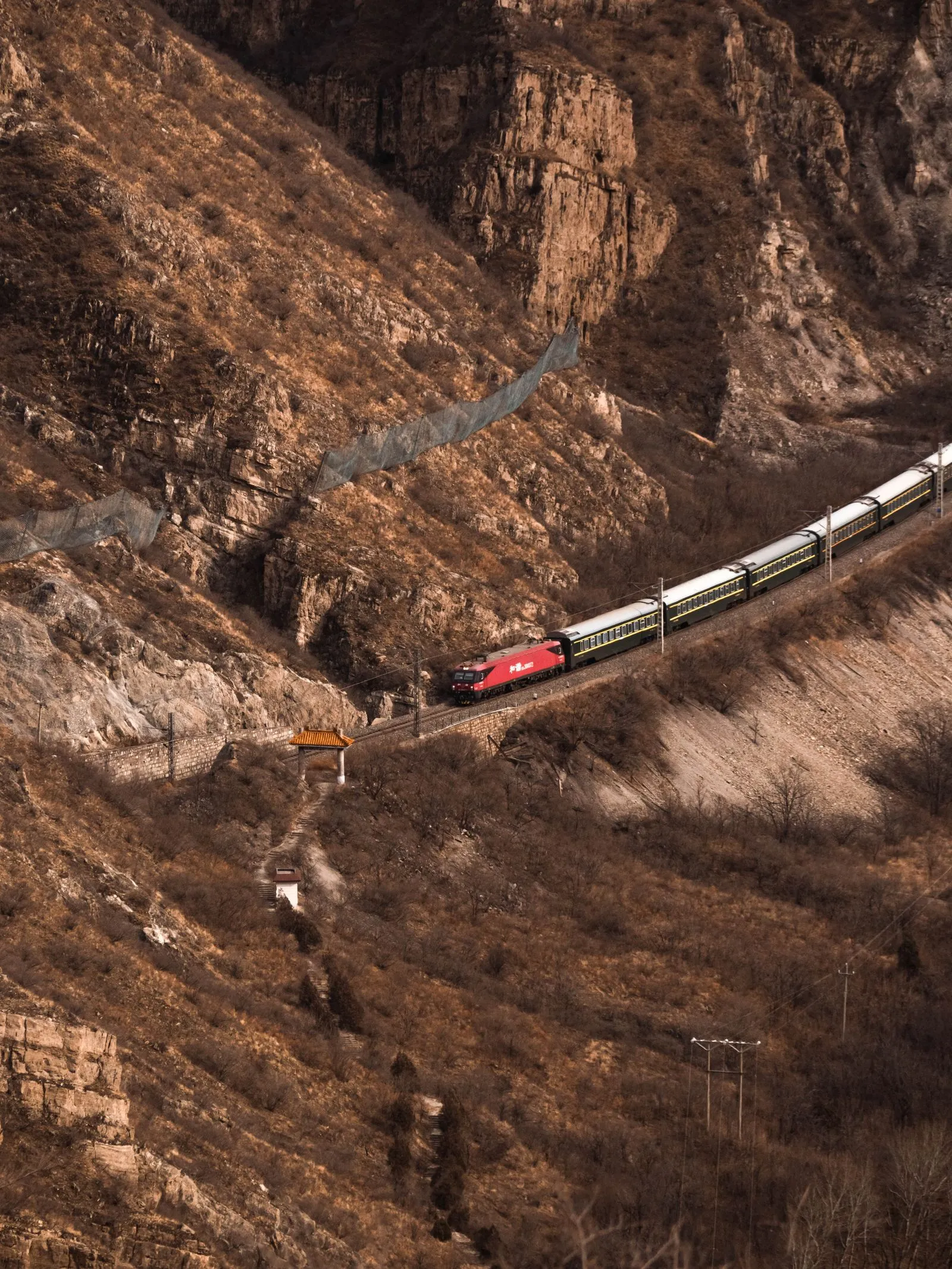 The Qinghai–Tibet railway: oxygen begins from Xining, which is why the train is gentler on altitude than flying.
Airport → city, three ways. ① Airport bus ¥30/person, ~70 minutes, to the Civil Aviation Authority stop on Niangre Road 1 (a 10–15 minute walk from the Potala); it runs with the incoming flights, fills and leaves, booked via the “Lhasa Air Harbor Express” WeChat mini-program or on site; it also stops at Lhasa railway station. ② Taxi / ride-hail ¥130–150 off-season, ¥200–260 peak season, ~45–60 minutes. ③ Charter / pickup ¥300–500 door-to-door (top hotels like St. Regis and Shangri-La often include free airport pickup). Prices float with season — write them as “about.”
Railway station → city. Lhasa railway station is in the western suburbs (Liuwu New Area), about 8–10 km from the Potala. A taxi starts around ¥10 (the city base fare) and runs ~¥15–25 to Barkhor. The airport bus also stops at the station, so you can transfer there.
No self-driving in Tibet — the biggest myth to kill. Foreign tourists may enter Tibet only by plane or train; self-driving, cycling, motorcycle, and hiking in or out are not permitted (special applications aside). Even bringing a foreign-licensed vehicle in requires swapping to a domestic license plus a Tibet guide throughout. In the last couple of years some routes like the Sichuan–Tibet highway have become “applyable” for foreigners, but independent travel is still not allowed — cross-city movement must use the agency’s vehicle. Inside Lhasa you can walk and taxi freely, but the moment you leave the city, the tour vehicle is mandatory. Any English post telling you to “rent a car in Lhasa and drive yourself” is wrong or outdated.
Altitude and Acute Mountain Sickness
3,650 m is the baseline number. The Tibet culture-tourism department, Shannan government, China Tibet News, and English sources (Echinatravel, Adventure Trail Nepal) all cite Lhasa at 3,650 meters (about 11,975 ft), with oxygen at roughly 60% of plain levels.
The first 24–48 hours are a hard rule. On arrival: no shower/bath, no alcohol, no strenuous activity — hot water speeds circulation and burns oxygen, and a cold from bathing can tip into serious altitude illness. Move slowly, eat small frequent meals, drink 2–3 L of water a day. For the first day or two, do only low-effort things: a slow walk around Barkhor, sitting in a sweet-tea house.
Red ginseng (Hongjingtian / Rhodiola) — the evidence is mixed. Official advice says you may take Rhodiola tonic in advance, but China Tibet News is blunt that “whether it works is hard to say — at best it’s psychological comfort,” and several 2026 strategy posts say “don’t迷信 (blindly believe) it prevents altitude sickness; it’s only辅助 (auxiliary).” Conclusion: Rhodiola is not a magic bullet; psychological comfort outweighs proven medical effect. Write it as “evidence is mixed / mainly placebo.”
Oxygen and when to descend. Book a hotel with diffuse or nasal oxygen; portable oxygen cans are sold at city pharmacies; tour vehicles carry emergency oxygen. Mild symptoms: rest and sugary drinks. Moderate (vomiting, chest tightness, unsteady gait): oxygen immediately and descend 300–500 m. Severe — pink frothy sputum = pulmonary edema, confusion = cerebral edema — call 120 and descend to a hospital immediately. Do not tough it out.
Why the train helps (link to #74). The Qinghai–Tibet railway switches on diffuse oxygen (about 23.5% cabin oxygen) from Xining, with oxygen outlets under the seats. That gradual gain in elevation is the scientific reason the train is gentler on altitude than flying — for a first Tibet trip we recommend the train. See our sleeper-train guide. A common pre-acclimatization move is to spend a night in Xining (~2,200 m) or Golmud (~2,800 m) before the final ascent, since both sit outside Tibet and need no permit — the same Xining/Golmud boundary noted above doubles as a natural stepping-stone.
Tickets and Opening Hours: Potala, Jokhang, the Monasteries
Ticket prices below separate the official ticket from OTA “ticket + guide” packages — the package price is not the gate price.
| Site | Official ticket | Notes |
|---|---|---|
| Potala Palace | ¥200 (peak line 1), ¥100 (line 2); ¥100 / ¥50 off-season | No same-day ticket; WeChat mini-program booking; Monday closed (see exception) |
| Jokhang Temple | ¥85 | Book ≥1 day ahead on WeChat; no onsite sales; 08:30–18:30 |
| Drepung Monastery | ¥60 | ~09:00–16:00 |
| Sera Monastery | ¥50 | Debating ~15:00–17:00 (none Sunday) |
| Norbulingka | ¥60 / ¥30 (concession) | 09:30–19:00 (stop sell 17:30) |
| Yaowangshan viewpoint | Free / ~¥0–2 | The 50-yuan-note photo spot; see update below |
| Tibet Museum | Free | Reservation required; Monday closed |
The Jokhang ¥85 vs ¥125 trap. The official ticket is ¥85 (Tibet runs temples on a “temple supports temple” model — no free or half-price even for over-60s or military). You must book at least one day ahead on the WeChat mini-program “大昭寺票务预订系统” (Jokhang ticketing system); there is no onsite ticket window. OTA listings showing “Jokhang from ¥125” are a ticket + guide package, not the裸 (bare) ticket. Tell readers the gate price is ¥85 so they don’t budget ¥125.
Drepung, Sera, Norbulingka. Drepung (the largest monastery) lists ¥60, open roughly 09:00–16:00, uphill and oxygen-burning. Sera’s ¥50 ticket includes the famous monk debating, generally 15:00–17:00 (no debating Sunday; English sources say “most afternoons around 3 p.m.”). Norbulingka (the summer palace) is ¥60 / ¥30 concession, 09:30–19:00 (stop selling 17:30, stop entry 17:50); the management states it has never authorized any platform to resell.
Yaowangshan viewpoint — the price flipped to free. This is the spot for the photo matching the back of the 50-yuan note. Older practical sources and our original brief said ¥50, but a 2026 deep-search found the consensus has shifted: Ctrip’s 2026 guide states “Yaowangshan main area and viewpoint are fully free, ¥0,” and some travelogues note “¥2.” The ¥50 figure is now the outdated one. Write it as free (occasionally a small ¥1–2 at some periods/spots), confirm on-site — do not hard-state ¥50.
Tibet Museum and Barkhor. The Tibet Museum is free with advance reservation and closed Mondays — the fastest way to understand Tibetan history. Barkhor is the open kora (pilgrim circuit) and commercial street around Jokhang: free, and you must walk it clockwise (see etiquette below). Small monasteries like Ramoche (¥20) and Zaki (free, wealth temple) are optional add-ons.
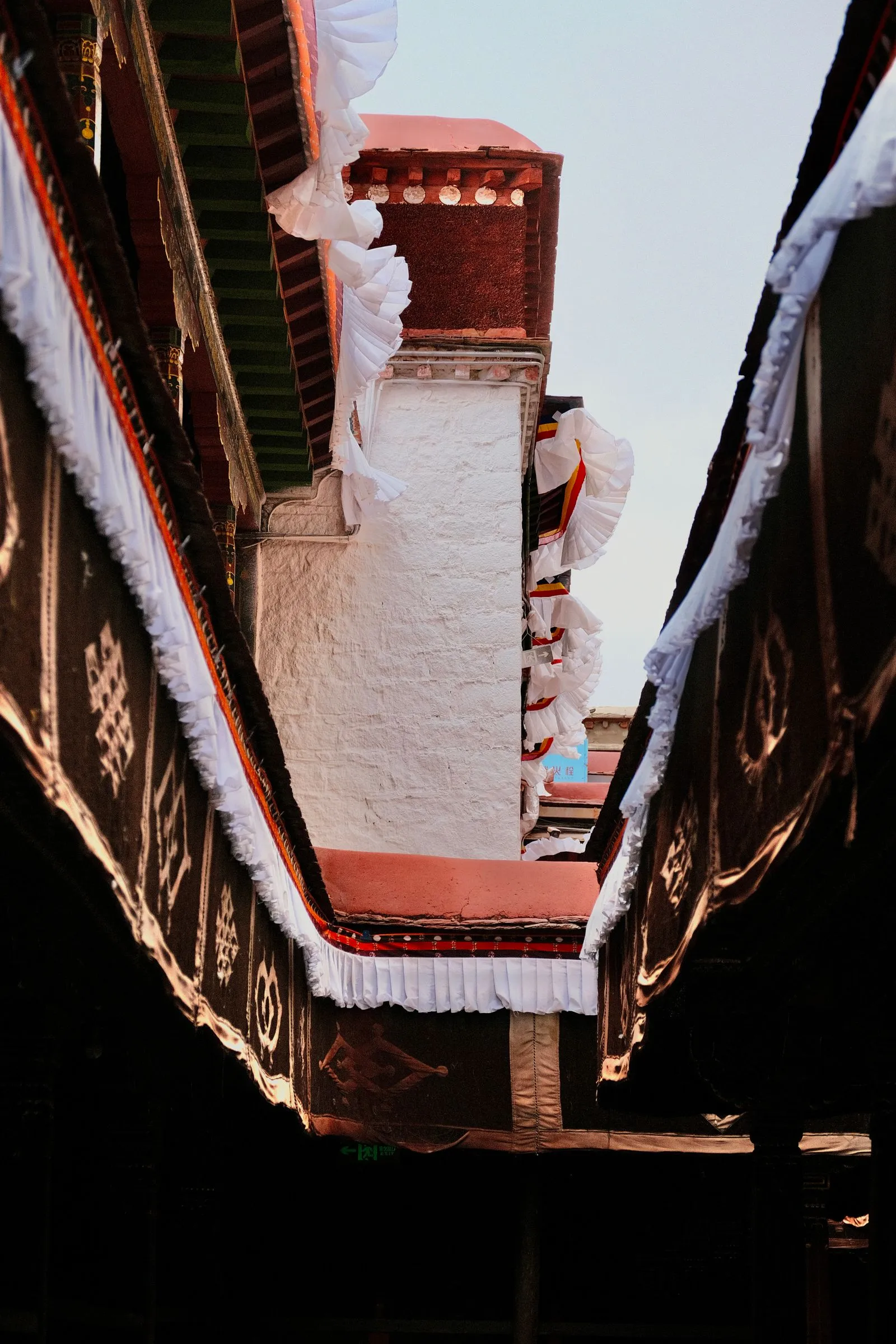 The Barkhor circuit around Jokhang Temple: free to walk, and strictly clockwise.
The Potala Palace Booking Trap (and the Foreigner Myth)
This is where old English advice fails hardest, so read it twice.
The real booking entry (our brief had the wrong domain). The official Potala booking channel is the WeChat mini-program “布达拉宫官方票务预约系统” (Potala Palace official ticketing system) / the official WeChat account “布达拉宫官方平台”. The website is potala-palace.cn (http/https both work; it publishes announcements, collections, no English UI, and does not sell tickets directly). Our original brief wrote .net — that is outdated or a typo. Tell readers: the official site only posts notices; buy through the WeChat mini-program.
No same-day ticket. The Potala sells no same-day tickets; independent visitors book ahead on the official WeChat mini-program (tickets open up to 15 days ahead, with remaining slots released daily at 16:00). In peak season (May–October) walking up and getting in the same day is “almost impossible.” One WeChat account buys one ticket and can bind up to two companions (under-18 or over-60).
Foreigners CAN enter — the core myth, debunked. English advice often says “foreigners cannot enter the Potala Palace / must join a tour just to get in.” That is wrong. Three layers: ① the Potala ticketing system explicitly allows foreigners to buy with a passport (reported verbatim: “foreigners purchase with a permanent residence ID or passport”) — the Potala itself does not ban foreigners; ② the restriction comes from the Tibet-wide group-tour policy (above), so a foreigner’s Potala ticket is booked by the agency as part of the tour — Great Tibet Tour states plainly that international visitors must be on an organized Tibet tour and the agency arranges the Potala ticket; ③ conclusion: foreigners CAN visit the Potala Palace, just not independently. The “can’t enter” claim is a misreading of the group-tour rule as a Potala ban. Write it directly: “Foreigners CAN visit the Potala Palace, but only as part of a licensed Tibet tour — your agency books the ticket.” Explain why English bloggers say otherwise: they entered on a tour and assumed the ban applied to individuals.
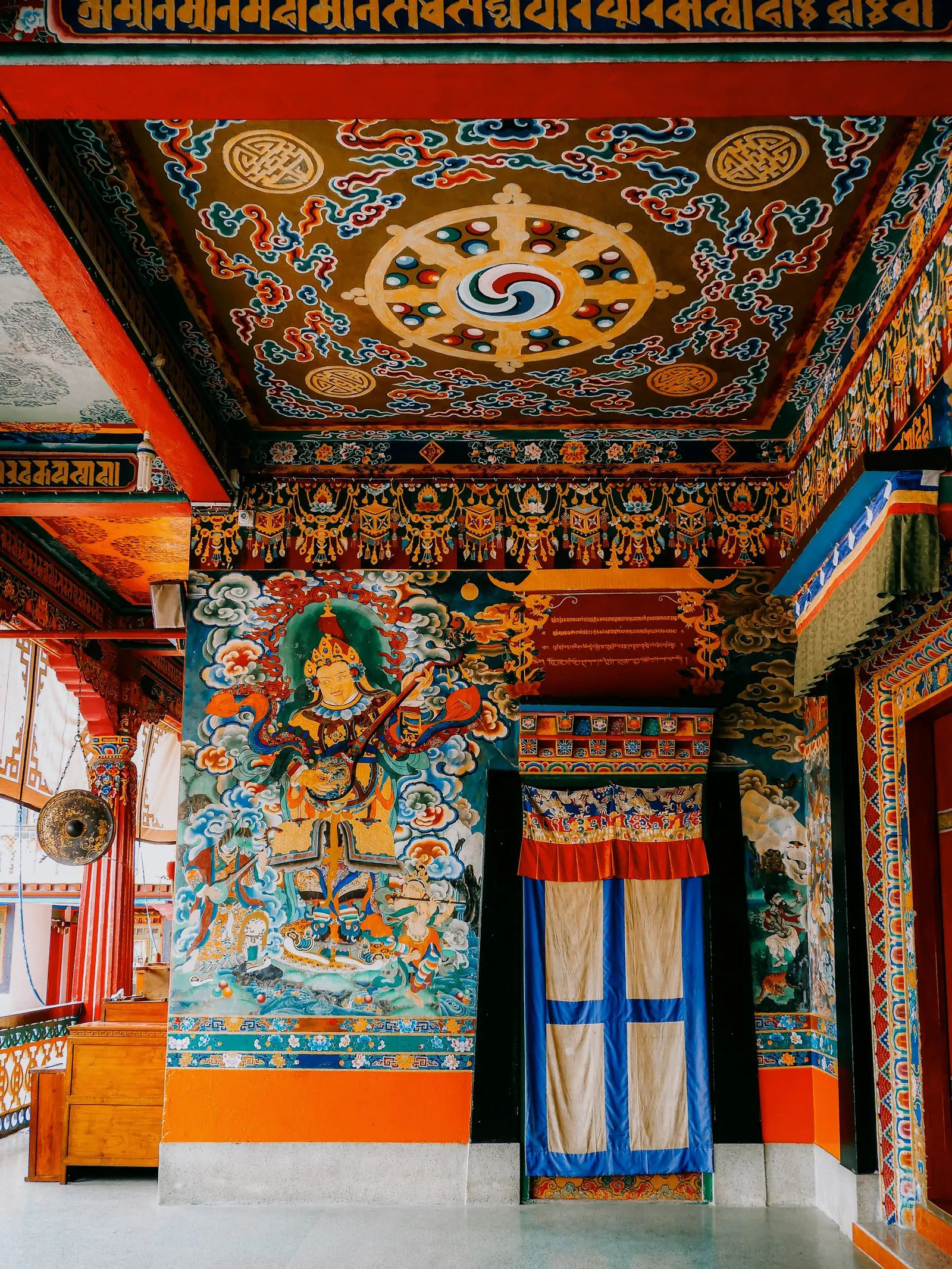 Inside the Potala: single-direction routes, no photos in the halls, and passport + facial check at the gate.
Peak-season line split. When visitors exceed about 5,000, a second line opens, adding ~2,000 capacity; the two lines share the Red Hill base (Potrang) section but line two drops a few palace rooms. Line one is the classic deep route.
On-site reality for foreigners. The route is one-way, no backtracking; climb slowly. No skirts/exposed clothing, no sunglasses or hats inside halls, no pointing at Buddha, no photos inside. Bring your passport original and arrive ~30 minutes early for facial verification at the designated gate; in peak season the in-palace time limit is about one hour.
Monday-closing exception you won’t find in old blogs. The Potala normally closes Mondays (a November 17, 2025 notice). But the Tibet culture-tourism department issued a notice on July 20, 2026 stating that from July 1 to September 15, 2026, the Monday closure is suspended — meaning during that summer window the Potala is open on Mondays too. If you travel in July–September, do not blindly trust “closed Monday” and miss a booking day. Always confirm against the current notice when you book.
Food: Tsampa, Butter Tea, and the Sweet-Tea House
The basics. Tsampa (糌粑, roasted barley flour), butter tea (酥油茶, salty, milky), yak meat (风干/dried or hotpot), sweet tea (甜茶, Tibetan milk tea), and Tibetan noodles (藏面, in yak-bone broth). Moderate butter tea / dairy / beef helps with altitude adaptation.
Guangming Gangqiong Sweet Tea House (光明港琼甜茶馆) — the local landmark. A 30-plus-year-old house near Barkhor, called Lhasa’s “city living room.” Butter tea is beaten in a traditional wooden churn, about ¥3 a cup, with a Tibetan-noodle set; locals press small change under the cup to signal a refill. It is the top pick for experiencing everyday Tibetan culture.
Where else to eat. Namtse (娜玛瑟德, Yuotuo Road, Nepali and adapted Tibetan, upper floor overlooks Barkhor), Tsangkhung Nunnery teahouse (仓姑寺, nun-run, slow-cooked yak-bone Tibetan noodles, ~¥20), and various Tibetan restaurants (¥40–106 per person, per Tencent Maps merchant data). Ordering tips: ask for yak (牦牛) over generic “beef” for the local flavor, try the butter-tea-and-tsampa set as a cultural ritual rather than a meal, and expect sweet tea to arrive in a thermos you top up by the cup. Prices float, so write them as “about.”
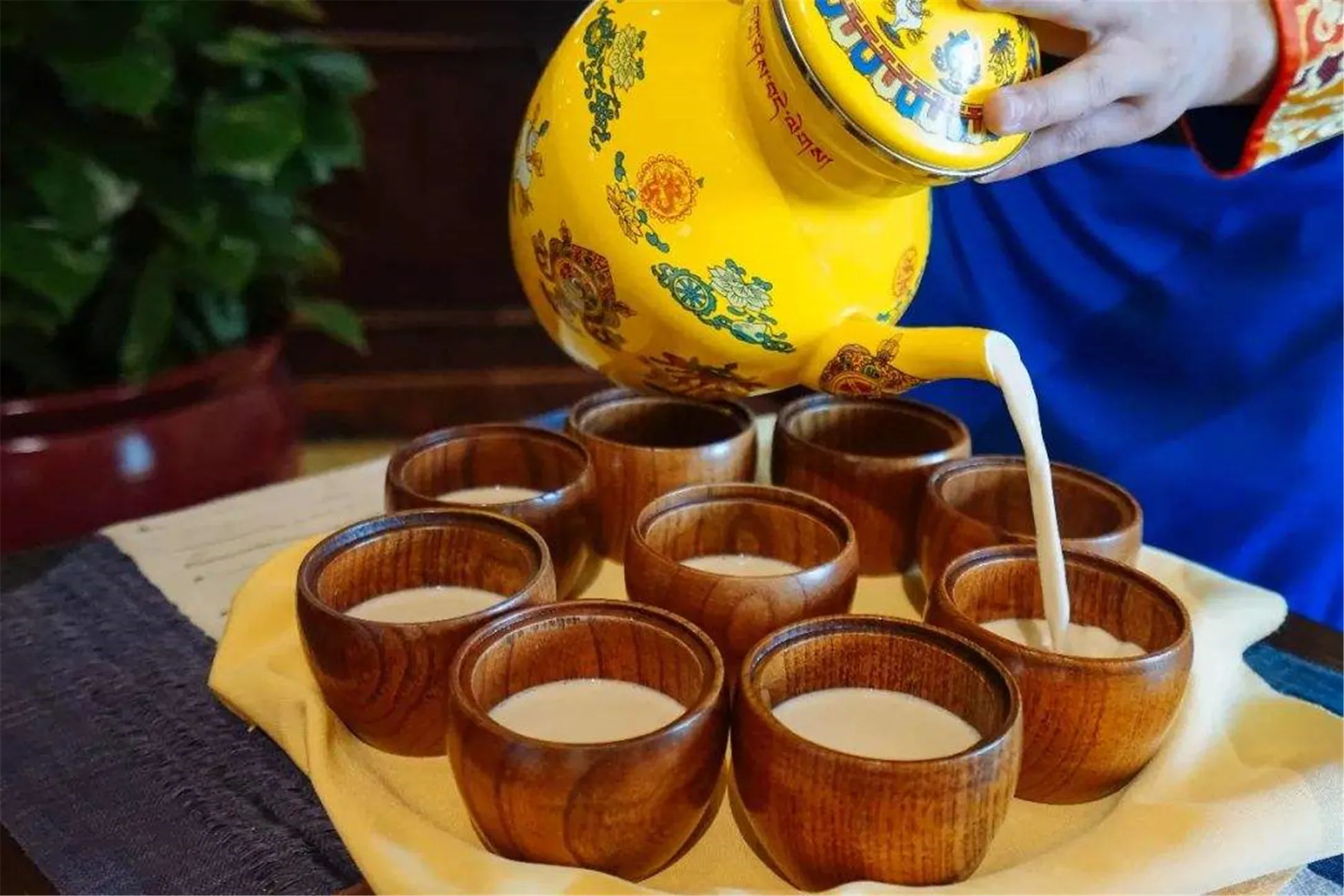 Sweet-tea houses like Guangming Gangqiong are where Lhasa’s everyday culture is best felt.
Where to Stay and What It Costs
Barkhor / Chengguan vs. Xianzu Dao (Island). ① Barkhor / around Jokhak Temple (culture-first): walk to Jokhang, Ramoche, Tsangkhung; dense teahouses and snacks; some guesthouses lack elevators; best if you want temples concentrated. ② Xianzu Dao / Solar Island (altitude-friendly): a residential district south of the Lhasa River, green, quiet, riverside — but ~25 minutes by taxi to Barkhor; trendy B&Bs run pricier; best for resting. ③ Near the Potala: some rooms catch the night view, shops close by.
Oxygen hotels and price (prices are sliding — buffer them). Lhasa oxygen hotels come in diffuse or nasal types. Ctrip’s measured floor is about ¥122–599 (hostel/guesthouse to three-star); 2026 Meituan/Tongcheng data shows chain oxygen hotels from about ¥254–539 (e.g., Hanting Youjia ~¥345, Tibet Kaitou Bangjin ~¥539), and Sina cites a ~¥122–649 range. Agency copy quotes foreigner-grade four-star oxygen at ¥450–650 off-season, ¥650–1000 peak, with portable oxygen machines ~¥100–200/night. From July 1, 2026, Lhasa offers a lodging subsidy (stay 2+ nights may unlock a discount). Write all of these as “from about / approx” — the floor price drifts down year to year and a hard number goes stale fast.
One-day budget (an estimate, not a hard source). A typical foreign visitor’s independent散票 day: tickets Potala 200 + Jokhang 85 + Drepung 60 + Sera 50 + Norbulingka 60 ≈ ¥455; lodging ¥300–600 (mid-range oxygen); food ¥50–100 (teahouse + Tibetan); in-city transport minimal (walk + taxi ~¥20–40). Total roughly ¥825–1,200 per person per day, excluding tour fees and long-haul transport. Flag it clearly as an estimate and re-check against OTA prices on the day.
Etiquette, Scams, and Practical Traps
Religious etiquette (where foreigners most often offend). ① Walk clockwise around stupas, prayer wheels, and temples; ② no photos inside palaces/temples (halls especially, clearly signed); ③ do not point at Buddha, do not touch monks’ heads, remove hats/sunglasses on entry, do not step on thresholds; ④ no politics talk, no sensitive photography (diplomats and foreign journalists cannot get a tourist TTP anyway).
Cash vs. mobile pay. WeChat Pay and Alipay work in most Lhasa venues, but some small shops, roadside stalls, and tips for photos with locals are cash only; remote areas have weak signal. English sources note cash is necessary outside Lhasa and cards only at big hotels/restaurants. Carry some RMB cash. See our WeChat Pay guide and Alipay guide.
Network (read this before you fly). WeChat and Alipay work; Google, Gmail, foreign social media, and VPN are restricted inside China. Download offline maps and a translation tool before arrival; a local SIM helps signal. This is practical consensus, not a single official line.
UV and temperature swing. Lhasa logs 3,000+ sunshine hours a year with intense UV (some sources call it “3x the plains”) — SPF50+, sunglasses, and a wide-brim hat even on cloudy days. Big day–night temperature swing (“four seasons in a day”): T-shirt by day, down jacket by night.
Best season: May–October. ① May–June and September–October are the gold windows (enough oxygen, clear skies, moderate crowds, lower altitude risk); ② July–August is lush but rainy (mostly night showers), most crowded, and Potala/t Hotel beds need booking 1–2 weeks ahead; ③ November–April is off-season — few people, low prices, but very cold and a bit less oxygen. Tie-in: peak-season train tickets (July–August) are tight, book early (our sleeper-train guide and train-ticket guide).
Restricted zones for foreigners. The Yarlung Tsangpo Grand Canyon, Namche Barwa, Medog, and Zayu are not open to foreign/Taiwan visitors; Everest and Ngari need an extra border pass / military approval (handled by the agency). Some Shannan sites (e.g., Ramalacho, the Tombs of the Tibetan Kings) are also restricted. Rules shift yearly — confirm against the agency’s approval for your travel dates.
A 2–3 Day Lhasa Itinerary (Using Only Verified Sites)
This skeleton uses only the sites above and respects the 48-hour rest rule. Adjust for your permit’s fixed itinerary — your agency controls the actual sequence.
Day 1 — arrive and do almost nothing. Land (plane or train), transfer to the hotel, and rest. No showers, no alcohol, no hiking. If you feel fine by late afternoon, take a slow, flat walk around Barkhor and sit in a sweet-tea house — that is your entire “activity.” Sleep early; the first night is when mild altitude symptoms peak.
Day 2 — the two icons. Visit the Potala Palace (your pre-booked slot; arrive 30 minutes early with passport for the facial check, climb slowly, no photos inside). Afterward, walk down to Jokhang Temple (your ¥85 ticket booked the day before) and circle Barkhor clockwise. This clusters the holiest sites in one walkable core and keeps day-two exertion moderate.
Day 3 — monasteries and a museum. Morning at Sera Monastery timed for the 15:00 debating (none Sunday); afternoon Drepung (uphill — take it slow) or Norbulingka if you prefer flat gardens. Slot the Tibet Museum (free, reserve ahead, Monday closed) on whatever morning you have energy — it frames everything else.
Day 4 (optional) — a guided lake day. Agencies run day trips to Yamdrok Lake and similar scenic circuits, but these leave Lhasa and therefore require the tour vehicle and guide — never attempt them independently. They are altitude-intensive; only add this once you are acclimatized.
Budget-wise, days 2–3 of tickets run about ¥455 (Potala 200 + Jokhang 85 + Drepung 60 + Sera 50 + Norbulingka 60); add lodging and food per the estimates above.
The Takeaway for Foreign Visitors
Lhasa rewards preparation and punishes outdated advice. The five things to internalize: (1) foreigners can enter the Potala — just not independently; (2) since March 13, 2026 the TTP must be the original, on both plane and train; (3) there is no self-driving in Tibet — a licensed tour vehicle is mandatory outside the city; (4) at 3,650 m, the first 48 hours are rest-only; and (5) the Potala sells no same-day ticket and books through a WeChat mini-program, with a summer Monday exception most blogs miss. Plan the permit through our Tibet permit guide, ride in via our sleeper-train guide, and budget with our backpacking guide. Lhasa is demanding — and unforgettable.