2 Weeks in China - The Classic 14-Day Itinerary with Budget and Transport
Fourteen days is enough time to see China’s essential contrasts; imperial history in Beijing, ancient wonders in Xi’an, spicy food and pandas in Chengdu, misty karst mountains in Guilin, and the neon-lit skyline of Shanghai. This route strings together the country’s greatest hits with realistic travel times and practical logistics.
How we verified this: SinoWander reads Chinese-language sources that English guides cannot, including official scenic-area ticket notices, the 12306 rail platform, Ctrip, and Dianping. We cross-check them before writing. We have not personally visited every location. Each guide is date-stamped when last verified: 2026-08-06. See our methodology.
Route Overview
Beijing (3 days) → Xi’an (2 days) → Chengdu (2 days) → Chongqing (1 day) → Guilin/Zhangjiajie (2 days) → Shanghai (2 days)
This route covers imperial culture, ancient civilization, natural landscapes and modern urban energy; the ideal sampler for first-time visitors.
Days 1–3: Beijing (Imperial Capital)
Day 1: The Center of Power
Tiananmen Square → Forbidden City → Jingshan Park → Beihai Park
Start early at Tiananmen Square (carry your passport; ID is checked at security). Walk north through the Gate of Heavenly Peace into the Forbidden City. Allow at least half a day here; the complex contains 980 buildings and you will not see them all. Exit from the north gate, cross the street and climb Jingshan Park for the best panoramic view of the entire palace complex laid out below. Finish with a stroll around Beihai Park’s lake.
Eat: Peking duck at Quanjude or Da Dong (¥100–300 / $15–44 per person). Reservations essential.
Day 2: The Great Wall
Mutianyu Great Wall (full day)
Mutianyu is the best all-round choice: scenic, less crowded than Badaling and accessible by tour bus or public transport. Take the cable car up, walk 2–3 hours along the wall, and ride the toboggan slide down. Alternatively, Badaling is faster to reach via high-speed rail but far more crowded.
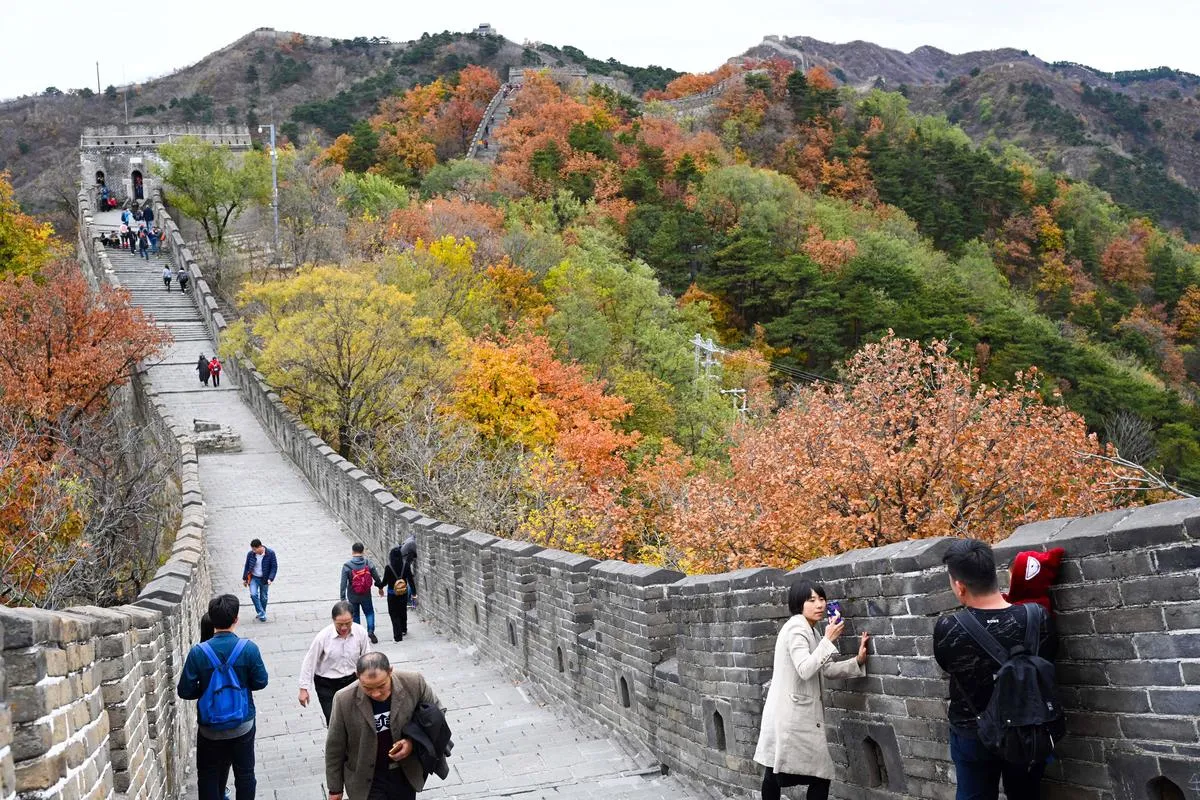 Day 2: the Mutianyu wall in autumn. Cable car up, toboggan down.
Optional: Add the Ming Tombs if you have energy left.
Eat: Pack snacks for the Wall. For dinner, try zhajiangmian (fried sauce noodles) at a local Beijing noodle shop.
Day 3: Gardens and Alleys
Summer Palace → Old Summer Palace → Temple of Heaven → Yonghe Temple → Nanluoguxiang
The Summer Palace (颐和园, entrance ¥30 / $4.40 peak season) is a sprawling imperial garden around Kunming Lake; allow 3–4 hours. The Temple of Heaven park (¥15–34 / $2.20–5.00) is where emperors performed annual harvest ceremonies. Yonghe Temple (Lama Temple) is one of Beijing’s most atmospheric religious sites. End the day wandering the hutong alleys around Nanluoguxiang, where traditional courtyard houses now hold craft shops and cafes.
Local Tip: Buy a Beijing Transportation Card (一卡通) at any metro station or use your phone’s NFC transit function. It saves time and works on buses, subways and some suburban trains.
Days 4–5: Xi’an (Ancient Capital)
Day 4: The Terracotta Army
Take the morning high-speed train from Beijing West to Xi’an North (4.5–6 hours, ¥515 / $76 second class). Store luggage at your hotel and head straight to the Terracotta Warriors (22 mi / 35 km from downtown, bus or taxi).
Follow the recommended route: Pit 1 → Pit 3 → Pit 2 → Bronze Chariot Hall. Allow 3–4 hours. If time permits, visit Lishan Garden via the free shuttle.
Eat: Dinner at Muslim Quarter (回民街); roujiamo (meat flatbread), liangpi (cold noodles), yangrou paomo (mutton soup with bread).
Day 5: City Walls and Night Lights
Xi’an City Wall (bike ride) → Bell and Drum Towers → Muslim Quarter → Giant Wild Goose Pagoda → Tang Never-Sleeps City
Rent a bicycle on top of the Ming-dynasty city wall (¥45 / $6.60 for 2 hours) and cycle the full 8.5-mile (13.7 km) circuit. Visit the Bell and Drum Towers in the city center. In the evening, head to the Giant Wild Goose Pagoda area and the Tang Dynasty Never-Sleeps City pedestrian mall, which transforms into a stunning night-time cultural zone with Tang-style performances and lantern-lit streets.
Eat: Biangbiang noodles (wide belt noodles with chili oil) at any noodle shop.
Avoid: The restaurants immediately inside Muslim Quarter that have English menus with photos; they cater to tourists and the food is mediocre. Walk one block deeper into the side alleys for better, cheaper meals.
Days 6–7: Chengdu (Pandas and Spice)
Day 6: Pandas and Old Streets
Giant Panda Breeding Research Base → Wuhou Shrine → Jinli Old Street → Kuanzhai Alley
Fly or take high-speed train from Xi’an to Chengdu (train: 3.5–4.5 hours, ¥263 / $39; flight: 1.5 hours, ¥300–800 / $44–118).
Get to the Panda Base (门票 ¥55 / $8.10) by 7:30 AM; pandas are most active during morning feeding. Afternoon: Wuhou Shrine (Three Kingdoms-era temple), Jinli Old Street for souvenirs and snacks, and the wider Kuanzhai (Wide and Narrow) Alleys for tea houses and boutiques.
Eat: Hotpot at Xiaolongkan or Shudaxia (¥60–100 / $9–15 per person). Order a yuanyang pot (half spicy, half mild broth) if you are not used to Sichuan heat.
Day 7: Day Trip from Chengdu
Option A: Dujiangyan Irrigation System + Mount Qingcheng (UNESCO World Heritage, full day) Option B: Leshan Giant Buddha (71-meter stone Buddha carved into a cliff, full day)
Both are feasible as day trips from Chengdu.
Eat: Chuanchuanxiang (串串香); skewered ingredients boiled in spicy broth, priced by the skewer (usually ¥0.50–2 each). A fun, social, affordable meal.
Day 8: Chongqing (Mountain City)
Ciqikou Old Town → Hongyadong → Yangtze Cableway → Jiefangbei → Nanshan One Tree Viewpoint
High-speed train from Chengdu to Chongqing (1–1.5 hours, ¥96–154 / $14–23).
Chongqing is built on steep hills above the Yangtze and Jialing rivers. Ciqikou is a lively old merchant street. Hongyadong is a cliffside complex of traditional-style buildings that lights up spectacularly at night. Ride the Yangtze River cableway for aerial views of the city. End at Nanshan One Tree viewpoint for the iconic Chongqing skyline panorama.
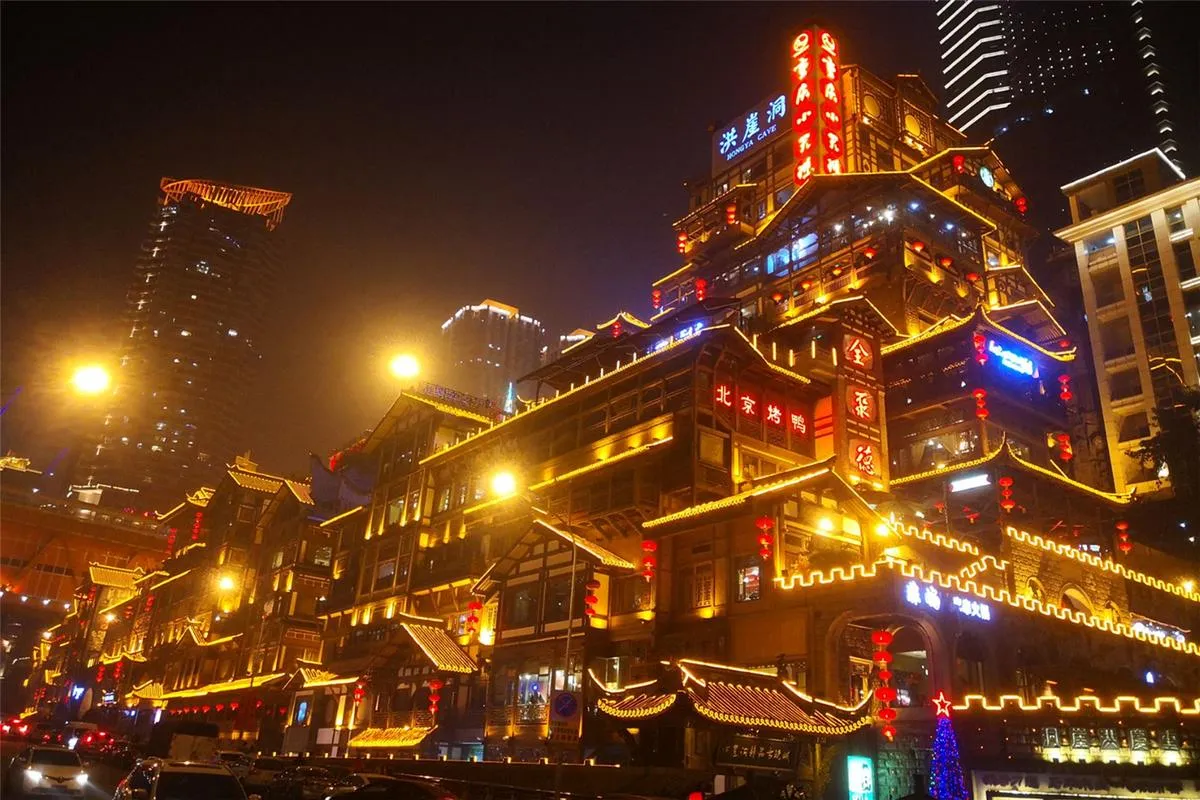 Day 8: Hongyadong after dark, the cliffside complex that defines Chongqing nights.
Eat: Chongqing hotpot; spicier and more numbing than Chengdu’s. Try xiaomian (small noodles in chili oil) for breakfast.
Days 9-10: Guilin and Yangshuo — Karst Landscape
Fly from Chongqing to Guilin (2–2.5 hours, ¥400–1,000 / $59–148).
Day 9: Li River Cruise
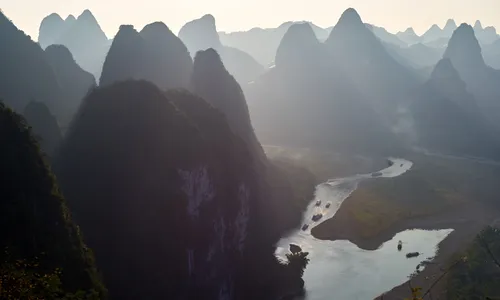
Li River cruise (Guilin → Yangshuo): the classic 4-hour boat trip through towering karst peaks. Arrive in Yangshuo in the afternoon, explore West Street (西街) for dinner and nightlife.
Day 10: Countryside Exploration
Ten-Mile Gallery cycling → Yulong River bamboo rafting → Elephant Trunk Hill
Rent a bicycle or scooter and ride through the Ten-Mile Gallery scenic corridor. Take a bamboo raft down the Yulong River; the peaceful alternative to the Li River cruise. Visit Elephant Trunk Hill back in Guilin.
Alternative: Replace Guilin with Zhangjiajie (Days 9–12) for Avatar-style sandstone pillars. Zhangjiajie National Forest Park (Yuanjiajie, Tianzi Mountain) + Tianmen Mountain with its glass walkway. This requires a flight reroute and adds 1–2 days.
Local Tip: The Li River cruise sells out during peak season. Book at least a week ahead through Ctrip or your hotel. The bamboo rafting on the Yulong River is calmer, more intimate and can usually be arranged on the spot.
Days 11–12: Optional Zhangjiajie (Instead of Extra Guilin Time)
If you chose Zhangjiajie:
Day 11: Zhangjiajie National Forest Park
Yuanjiajie (Avatar Hallelujah Mountain) → First Bridge Under Heaven → Tianzi Mountain
Day 12: Tianmen Mountain
Tianmen Mountain cable car → Glass walkway → Tianmen Cave (Heaven’s Gate)
Days 13–14: Shanghai (Modern Metropolis)
Fly from Guilin or Zhangjiajie to Shanghai (2–2.5 hours, ¥300–900 / $44–133).
Day 13: Classic Shanghai
The Bund → Nanjing Road → Yu Garden → City God Temple → Oriental Pearl Tower
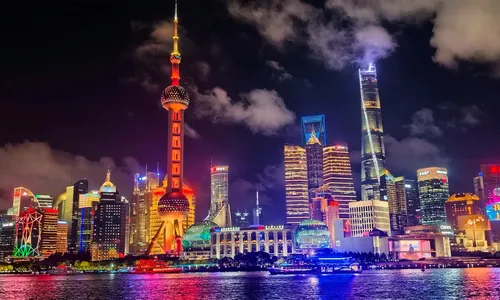
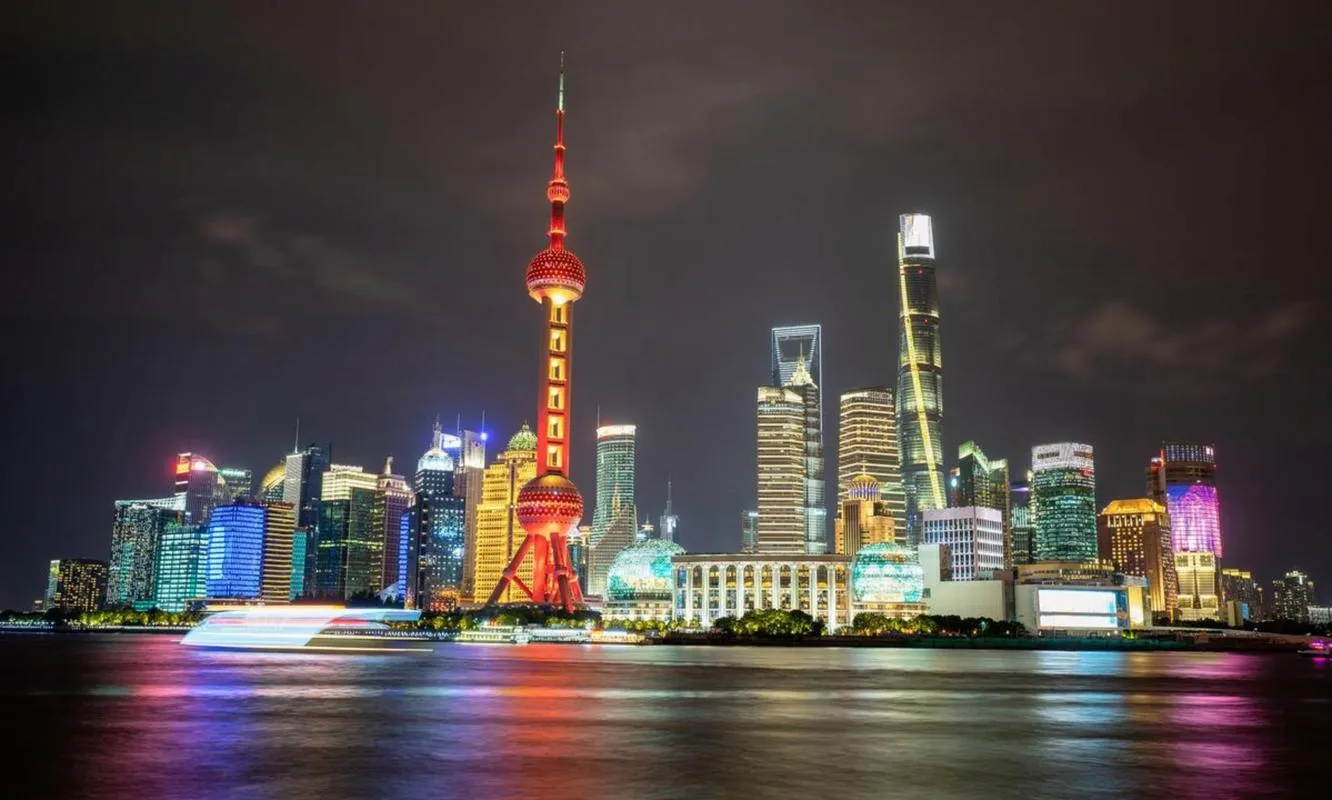 Days 13-14: the Bund at dusk, Pudong across the river.
Walk the Bund at sunset for the iconic view of Pudong’s skyscrapers across the Huangpu River. Nanjing Road is Shanghai’s main shopping street. Yu Garden (豫园, ¥40 / $5.90) is a classical Chinese garden in the old city. The Oriental Pearl Tower offers panoramic city views (¥199–299 / $29.40–44.10 depending on the observation level).
Day 14: Culture and Farewell
Shanghai Museum → Tianzifang → Xintiandi → Departure
The Shanghai Museum has one of the world’s best collections of Chinese bronze, ceramics, jade and calligraphy; and it is free. Tianzifang is a maze of narrow alleys filled with design studios, galleries and cafes in converted Shikumen (stone-gate) houses. Xintiandi offers a polished version of the same concept with upscale dining.
Eat: Xiaolongbao (soup dumplings) at Nanxiang Steamed Bun Restaurant near Yu Garden. Shengjianbao (pan-fried soup buns) at Yang’s Dumplings. Budget ¥15–50 ($2.20–7.40) for a basket.
Avoid: Shopping on Nanjing Road; it is mostly international chain stores at full retail price. If you want interesting shopping, head to Tianzifang or the South Bund Fabric Market for custom-tailored clothing.
Budget Estimates (14 Days, Per Person)
| Category | Budget | Comfortable | Premium |
|---|---|---|---|
| Accommodation (13 nights) | ¥3,000–4,500 ($442–664) | ¥6,000–9,000 ($885–1,327) | ¥9,000–15,000 ($1,327–2,212) |
| Transport (inter-city + local) | ¥3,500–5,000 ($516–737) | ¥4,000–5,500 ($590–811) | ¥5,000–8,000 ($737–1,180) |
| Food (14 days) | ¥2,000–3,000 ($295–442) | ¥3,500–5,500 ($516–811) | ¥5,500–8,000 ($811–1,180) |
| Attraction tickets | ¥1,000–1,500 ($147–221) | ¥1,200–2,000 ($177–295) | ¥1,200–2,000 ($177–295) |
| Total | ¥10,000–16,000 ($1,475–2,360) | ¥16,000–25,000 ($2,360–3,688) | ¥20,000–30,000+ ($2,950–4,425+) |
International flights are not included. Add 10–20% buffer for price fluctuations during 2025–2026.
Transport Between Cities
| Leg | Recommended Method | Duration | Cost (2nd class / economy) |
|---|---|---|---|
| Beijing → Xi’an | High-speed rail | 4.5–6 hrs | ¥515 ($76) |
| Xi’an → Chengdu | High-speed rail | 3.5–4.5 hrs | ¥263 ($39) |
| Chengdu → Chongqing | High-speed rail | 1–1.5 hrs | ¥96–154 ($14–23) |
| Chongqing → Guilin | Flight | 2–2.5 hrs | ¥400–1,000 ($59–148) |
| Guilin → Shanghai | Flight | 2–2.5 hrs | ¥300–900 ($44–133) |
| Chongqing → Shanghai | Flight | 2.5 hrs | ¥400–1,000 ($59–148) |
Key booking tips:
- Train tickets open for sale 15 days before departure. Popular routes sell out fast; book the day they become available.
- Use the 12306 app or website (supports foreign passports) for trains.
- Use Ctrip (Trip.com internationally) for flights and hotels.
- Always double-check the departure station name; major cities have multiple stations.
Visa and Payment Essentials
Visa-free options (2025-2026): China offers 240-hour (10-day) transit visa exemption for citizens of 57 countries, including the US, UK, Russia, Canada and most of the EU. A 30-day unilateral visa-free policy covers approximately 50 additional countries.
Payment: Download Alipay and WeChat before you arrive and link an international credit card. Carry ¥500–1,000 in cash as backup for small vendors. Mobile payment is universal in China; you will use it for everything from street food to museum tickets.
Essential apps: Gaode Maps (navigation), Didi (ride-hailing), 12306 (trains), Ctrip (hotels and flights), Meituan or Dianping (restaurant reviews and food delivery), WeChat and Alipay (payment).
When to Go
| Season | Rating | Notes |
|---|---|---|
| Spring (April–May) | 5/5 | Mild weather, flowers blooming |
| Autumn (September–October) | 5/5 | Crisp air, fall colors, best all-round conditions |
| Summer (June–August) | 3/5 | Hot and rainy, but good for highland destinations |
| Winter (November–March) | 4/5 | Low crowds, cheaper: great for southern cities |
Avoid: National Day Golden Week (October 1–7) and Spring Festival (dates vary, January–February). Attractions, trains and hotels are overwhelmed. Prices double or triple.
This itinerary was compiled from traveler reports on Reddit’s r/travelchina, Tripadvisor small-group tour itineraries, official tourism sources and booking platform data. Prices are approximate and may vary by season. Verify all bookings through official channels before departure.
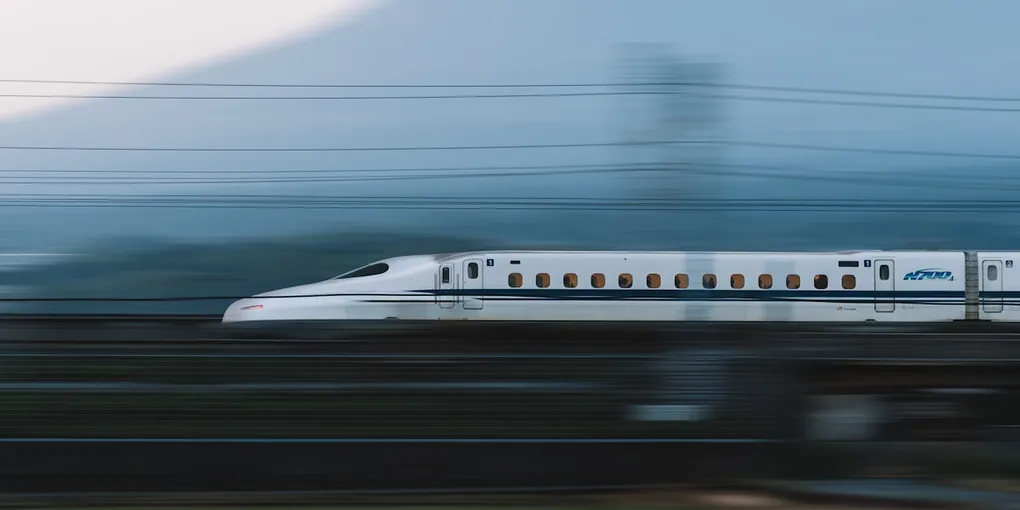
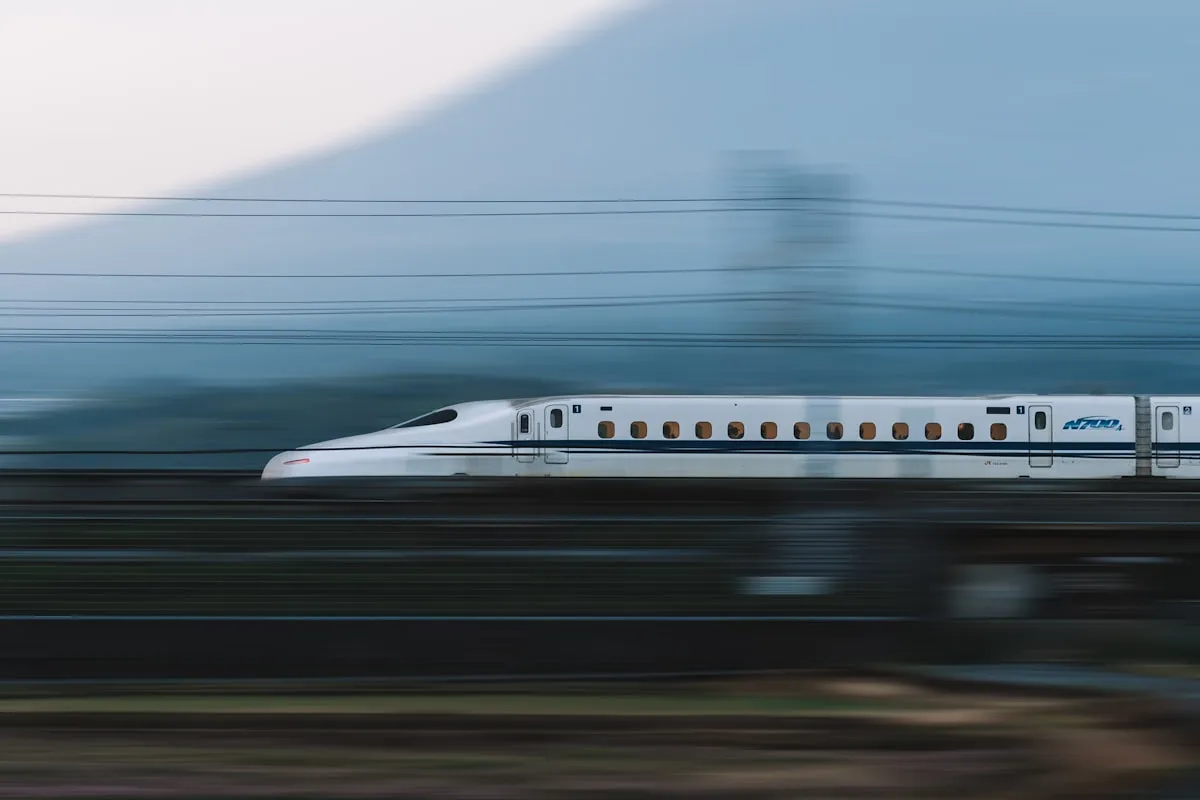 A high-speed train crossing the Chinese countryside — the backbone of any multi-city itinerary.
Sources & Verification
This guide was last verified on 2026-08-06. Key Chinese-language sources:
- 12306 (China Railway, 12306.cn): Official rail booking platform used to verify train schedules, station names, and second-class fares for the Beijing to Xi’an, Xi’an to Chengdu, and Chengdu to Chongqing legs.
- Ctrip (携程, ctrip.com / Trip.com): Chinese booking platform referenced for inter-city flights, hotels, and peak-season Li River cruise reservations.
- Dianping (点评, dianping.com): Restaurant review platform cited for local dining recommendations such as hotpot, xiaolongbao, and Muslim Quarter street food.
- Official scenic-area ticket pricing: Entrance fees for the Summer Palace, Giant Panda Breeding Research Base, Yu Garden, and Oriental Pearl Tower are drawn from the attractions’ published ticket notices.
See our full verification methodology.
Related Articles
- 10 Days in China Itinerary — A shorter version covering four essential stops
- How to Buy China Train Tickets (2026) — Booking guide for all legs of this route
- China Backpacking Budget Guide — Detailed cost breakdowns by travel style