China's Silk Road — The Hexi Corridor Itinerary for Foreigners (2026)
China’s Silk Road: The Hexi Corridor from Lanzhou to Dunhuang
For two thousand years the Hexi Corridor was the throat of the Silk Road — the narrow Gansu passageway that funneled merchants, monks, and armies between China’s heartland and the vast west. Today it is still the single most concentrated stretch of Silk Road history you can travel: rainbow-striped mountains at Zhangye, the westernmost fortress of the Great Wall at Jiayuguan, and the desert oasis of Dunhuang, home to the Mogao Caves and their thousand-year-old Buddhist murals.
A 7-to-9-day loop from Lanzhou to Dunhuang, connected by high-speed rail, lets a foreigner trace this corridor without a tour group, a special permit, or a rented car. Two warnings up front, because almost every English-language guide gets them wrong: foreigners cannot book Mogao Caves tickets on a website (it’s WeChat-only), and China’s 240-hour transit visa-free policy does not cover Gansu — so plan your visa before you go. We’ll get into both.
Why the Hexi Corridor, and why now
The Hexi Corridor is the 1,000-km chain of oases along the Gansu panhandle — Lanzhou, Wuwei, Zhangye, Jiayuguan, Dunhuang — hemmed in by the Qilian Mountains to the south and the Gobi to the north. For the foreign traveler it has three things no other Chinese route matches:
- Pure Silk Road density. Fortresses, Buddhist grottoes, and desert ruins pile up one after another rather than being scattered across a continent.
- No special permit. Unlike Tibet (which requires a Tibet Travel Permit) or parts of Xinjiang (travel restrictions), Gansu is open to foreigners on a standard visa. The catch is which visa — see Visa & entry.
- Visuals built for memory. The rainbow stripes of Zhangye Danxia and the sand dunes of Dunhuang are the China of postcards — and they photograph exactly as advertised.
Local Tip: June is the sweet spot — the Qilian foothills bloom with wildflowers and grassland, the desert heat hasn’t peaked, and the crowds are thinner than midsummer.
Best time to go
| Season | Months | Trade-off |
|---|---|---|
| Best | April–June, Sept–Oct | Comfortable temps, lighter crowds; June adds alpine wildflowers |
| Avoid | July–August | Dunhuang hits 40°C+ and Mogao tickets sell out within minutes |
| Avoid | early October (Golden Week) | National holiday — Mogao A-tickets are nearly impossible |
| Worth considering | December–March | Mogao off-season: fewer crowds, you see 10 caves instead of 8, tickets are easy — but Jiayuguan and Zhangye are bitterly cold outdoors |
The Mogao Caves actually reward winter visitors: in peak season a standard ticket includes 8 caves, while the off-season ticket (¥140 vs ¥238) includes 10. Pair this with the “Zhang-Jia-Dun” winter/spring cross-promo and a cold-weather trip becomes both cheaper and deeper.
How to get around: high-speed rail or self-drive
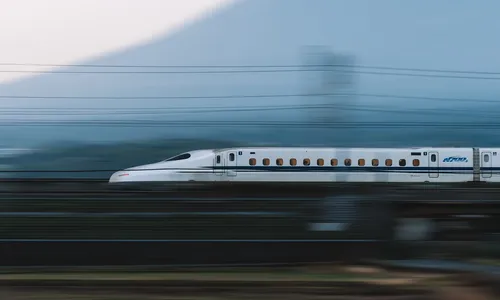
The corridor runs west along the G30 Lianhuo Expressway and the Lanzhou–Xinjiang high-speed railway, so you can do this entirely by train.
By high-speed rail. Lanzhou West → Jiayuguan South is 772 km, about 4 hours on trains like the D2741/D2743 (via Xining, Zhangye West, Jiuquan South). Zhangye West is a mid-route stop about 1.5 hours from Lanzhou. For Dunhuang, ride to Liuyuan South Station then take a ~2-hour bus, or use the rail branch into Dunhuang Station. Foreigners can buy tickets on the 12306 site/app in English with a passport — register and verify your passport before booking day. (For the broader rail picture, see our China High-Speed Rail Guide.)
By self-drive. The G30 is roughly 1,100 km end to end, well-paved, and manageable in a regular sedan. Segments: Lanzhou→Wuwei ~270 km, Wuwei→Zhangye ~240 km, Zhangye→Jiayuguan ~220 km, Jiayuguan→Dunhuang ~370 km.
Local Tip: The logistically clean move is to fly into Lanzhou and out of Dunhuang (or reverse), so the corridor is a one-way westward sweep with no backtracking.
The route, stop by stop
Lanzhou — the entry point
Most travelers start in Lanzhou, Gansu’s capital, simply because it has the best flight and rail links. It deserves half a day: the Gansu Provincial Museum holds the Bronze Galloping Horse (马踏飞燕), China’s most famous ancient sculpture and a Silk Road icon, and a bowl of Lanzhou beef noodles here is the real thing. Then head west.
Zhangye — the rainbow mountains (Danxia)
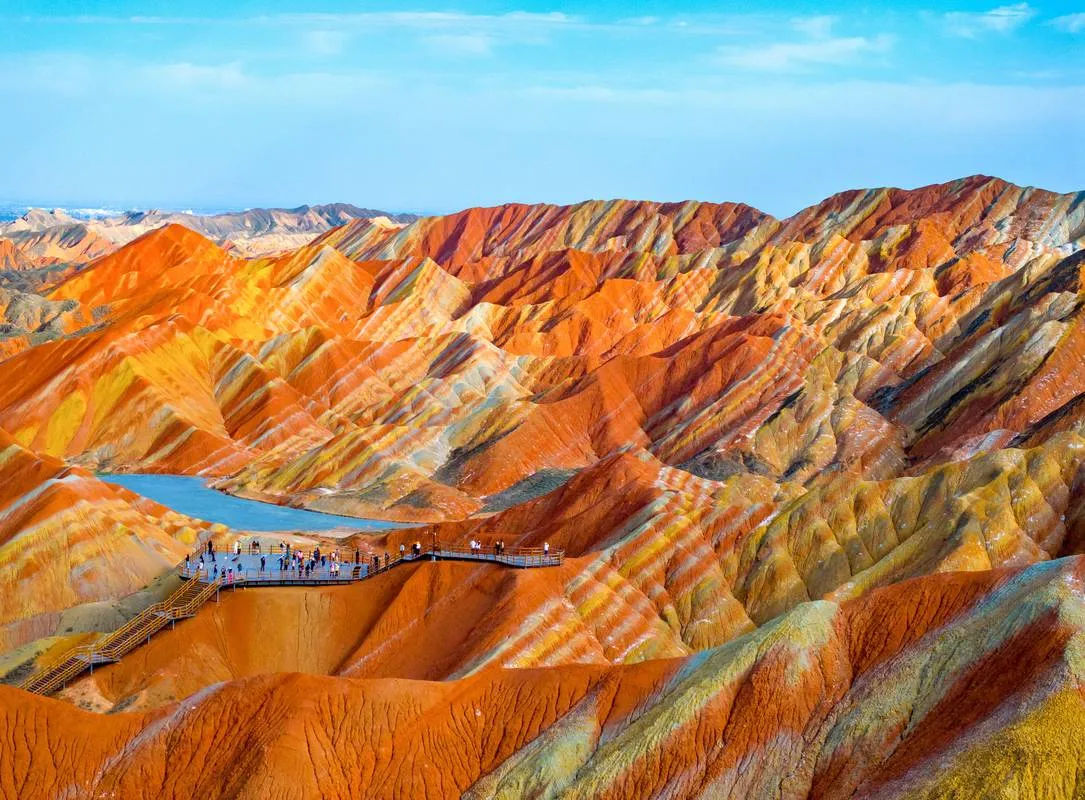 The rainbow stripes of Zhangye Danxia — peak color at sunset, Platform 4.
The Zhangye Seven-Color Danxia geological park is the corridor’s visual showstopper — rolling hills striped red, yellow, and ochre, and one of the most photographed landscapes in China. It is exactly as Instagram-worthy as it looks.
| Item | Detail |
|---|---|
| Ticket (peak, Apr 1–Oct 31) | ¥93 (entry + mandatory sightseeing bus, bundled) |
| Ticket (off-season) | ¥70 (some sources say ¥75 — the Linze and Sunan entrances price slightly differently) |
| Discounts | Students / ages 60–69 ¥66; ages 70+ and kids under 6 free |
The golden rule: arrive in the afternoon and be at Platform 4 for sunset. That’s when the colors intensify, and the light is the reason you came. Avoid the “VIP channel” touts at the entrance — they’re a surcharge trap, not a shortcut (see our China Scams & Tourist Traps Guide).
Jiayuguan — the last fortress of the Great Wall
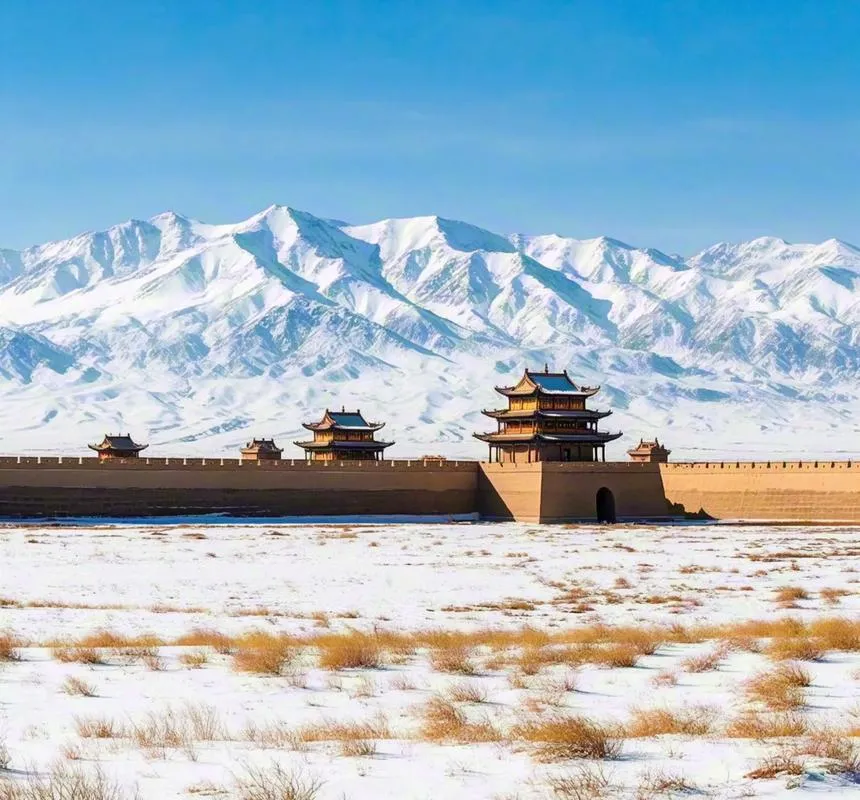 Jiayuguan, where the Ming Great Wall met the western frontier.
Jiayuguan is where the Ming Great Wall ended and the “wild west” began — the fortress through which Silk Road caravans left China proper. The Jiayuguan cultural scenic area is actually three separate sites: the Fortress (关城), the Overhanging Great Wall (悬壁长城), and the First Mound.
| Site | Price |
|---|---|
| Fortress (Guan Cheng) | ¥110 peak (May–Oct) / ¥90 off-season; half-price ¥55 peak for eligible discounts |
| Overhanging Great Wall | ¥21 (year-round) |
| First Mound | priced separately |
Local Tip: From November 1 to March 31, the “Zhang-Jia-Dun” cultural promo gives you 20% off at the other two sites if you show a ticket from any one of Zhangye Danxia, Jiayuguan, or Dunhuang’s Mingsha Mountain. Winter travelers can string all three together at a discount.
Dunhuang — the climax (allow 2–3 days)
Dunhuang is the reason most people come to the Hexi Corridor, and it deserves the most time. This is where the Silk Road’s greatest art survives.
The Mogao Caves — and how foreigners actually book them
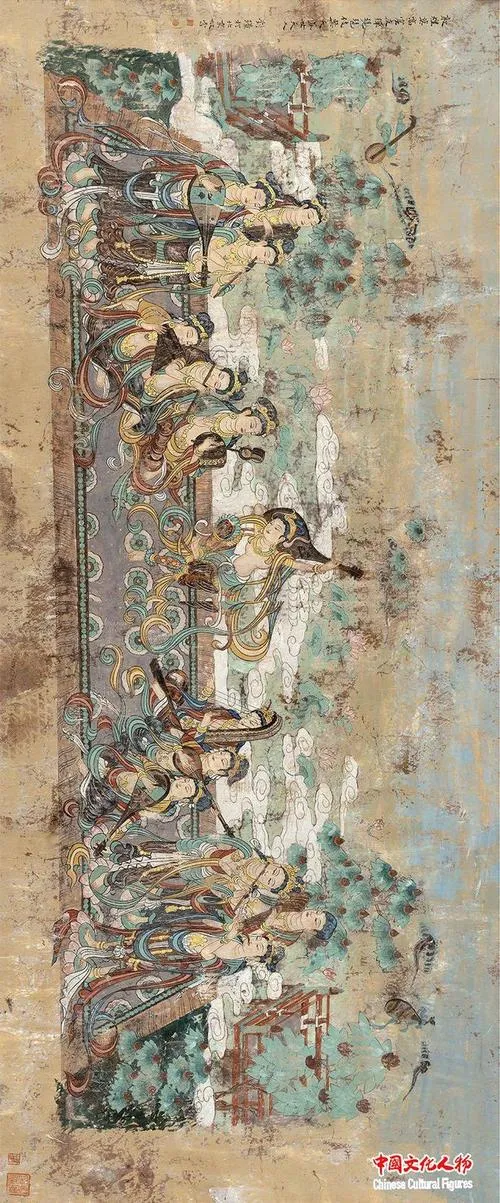 A thousand-year-old Mogao mural — the Silk Road’s surviving art.
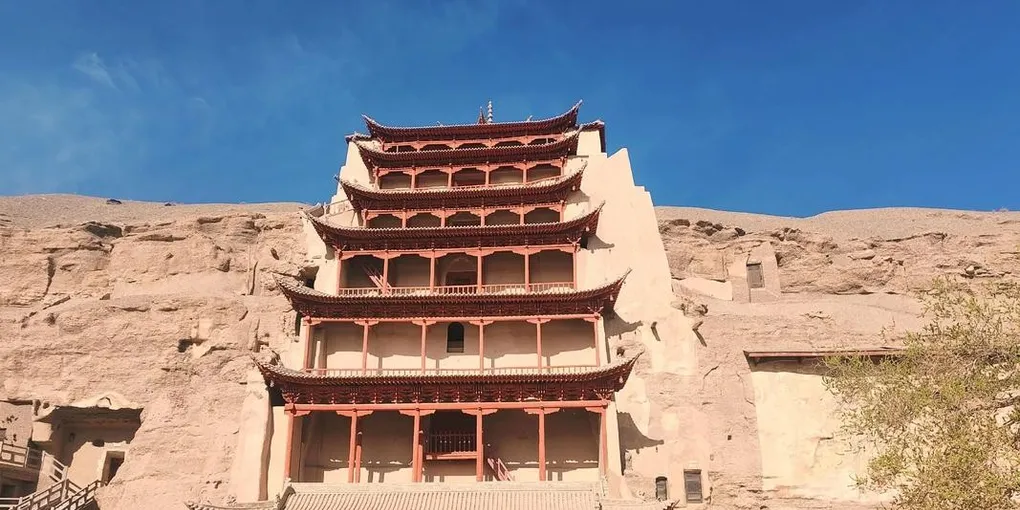
The Mogao Caves are a complex of around 700 cave temples carved into a cliff, decorated with murals and statues spanning a thousand years (4th–14th centuries). It is one of the world’s great Buddhist art sites.
Here is the part almost every English guide gets wrong. Foreigners cannot book Mogao tickets through a website. The official process:
- Install WeChat before you arrive in China (see our Apps Guide).
- In WeChat, search for the service account “莫高窟参观预约网” (Mogao Visit Reservation) — the service account (服务号), not the mini-program.
- Tap “预约购票” → “Ticket Booking” — that’s the English-language channel reserved for foreign-passport and HK/Macau/Taiwan holders.
There is no foreigner web portal (this is the opposite of the Forbidden City, where foreigners use an English web page). Registered travel agencies have a site (mgk.org.cn), but independent foreign travelers go through WeChat.
| Ticket type | Foreigner price | What you see |
|---|---|---|
| Standard (A), peak | ¥238 | Digital films at the center + 8 caves with a guide |
| Standard (A), off-season | ¥140 | Digital films + 10 caves (off-season gives you more) |
| Emergency (B) | ¥100 | Only 4 caves, no films — released when A sells out |
Foreigners pay full price. Mogao’s discount and free-ticket categories (¥148, ¥20, etc.) require Chinese ID or a Chinese Foreign Permanent Resident ID — an ordinary foreign passport doesn’t qualify. Budget for ¥238 (peak) or ¥140 (off-season).
Local Tip: In peak season (May–October), A-tickets sell out within minutes of release. They open 30 days ahead, booking system opens daily at 7:00 AM — set an alarm for 6:50 and be ready. If only Emergency (B) tickets remain, know that B tickets verify by Chinese 2nd-generation ID card; foreigners don’t have one, so prioritize getting an A ticket (verified by your “ticket info slip” + passport).
On the day: everyone must first report to the Mogao Digital Exhibition Center (8899 Yangguan East Road, Dunhuang), where you watch the orientation films and board the bus to the cliff — there’s no ticket office at the caves themselves. Arrive 30 minutes before your slot. No photos, no large bags, no drones inside the caves. The Academy has not authorized any third-party seller — book direct only (another reason to ignore “we can guarantee your ticket” offers — see our Scams Guide). Official info line: 4008-333-715 (08:30–16:30, info only, no phone booking).
Mingsha Mountain & Crescent Lake
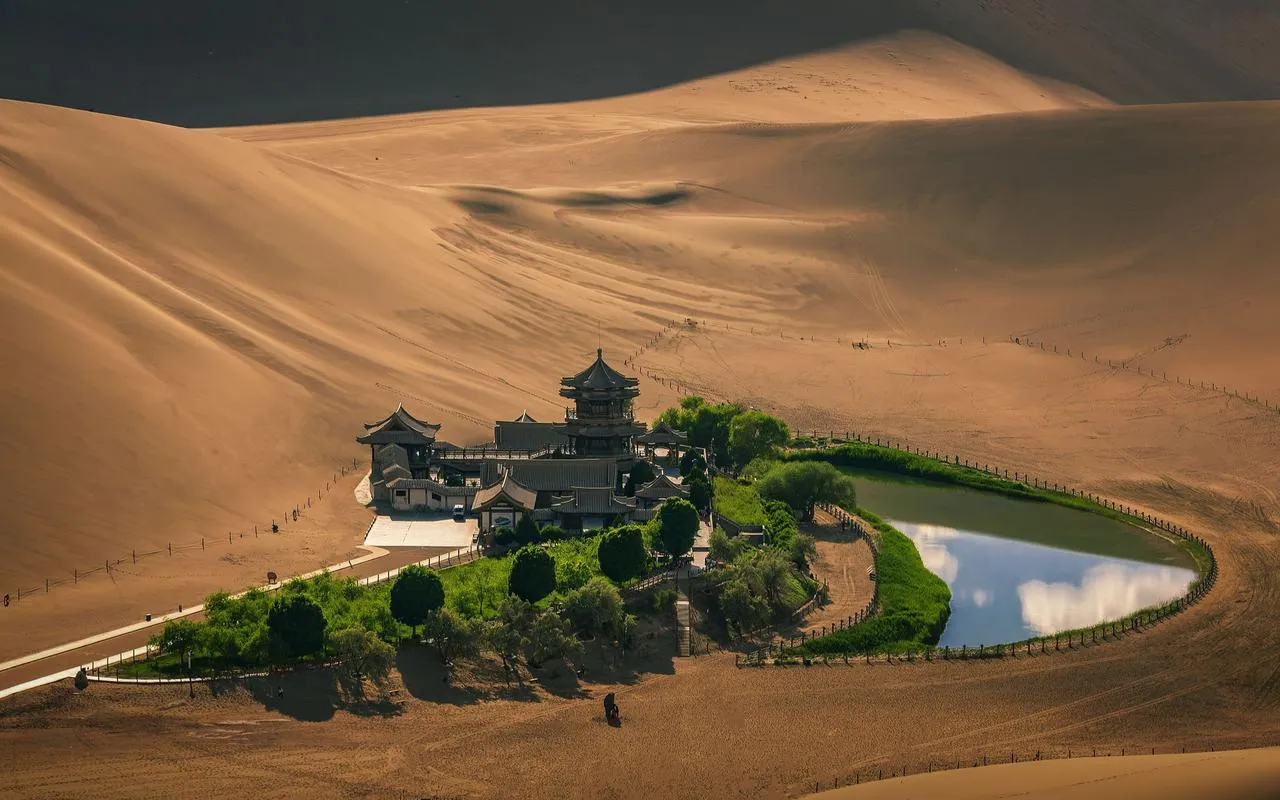 Crescent Lake, an oasis spring cradled by the Mingsha dunes.
The desert dune park right outside Dunhuang, with a spring-fed oasis lake nestled in the sand. Ride a camel, climb a dune, watch the sun drop.
- ¥110 peak / ¥55 off-season; ticket is valid for 3 days, multiple entries.
- The park has three gates. Online tickets are for the East Gate, which is far from the dunes and requires a ¥10 electric cart. The Middle Gate is closest — buy on-site there instead of pre-booking the East Gate online.
- Best paired as: Mogao in the morning (cooler, fewer crowds), Mingsha at sunset.
Optional western excursion: Yumen Pass & Yadan
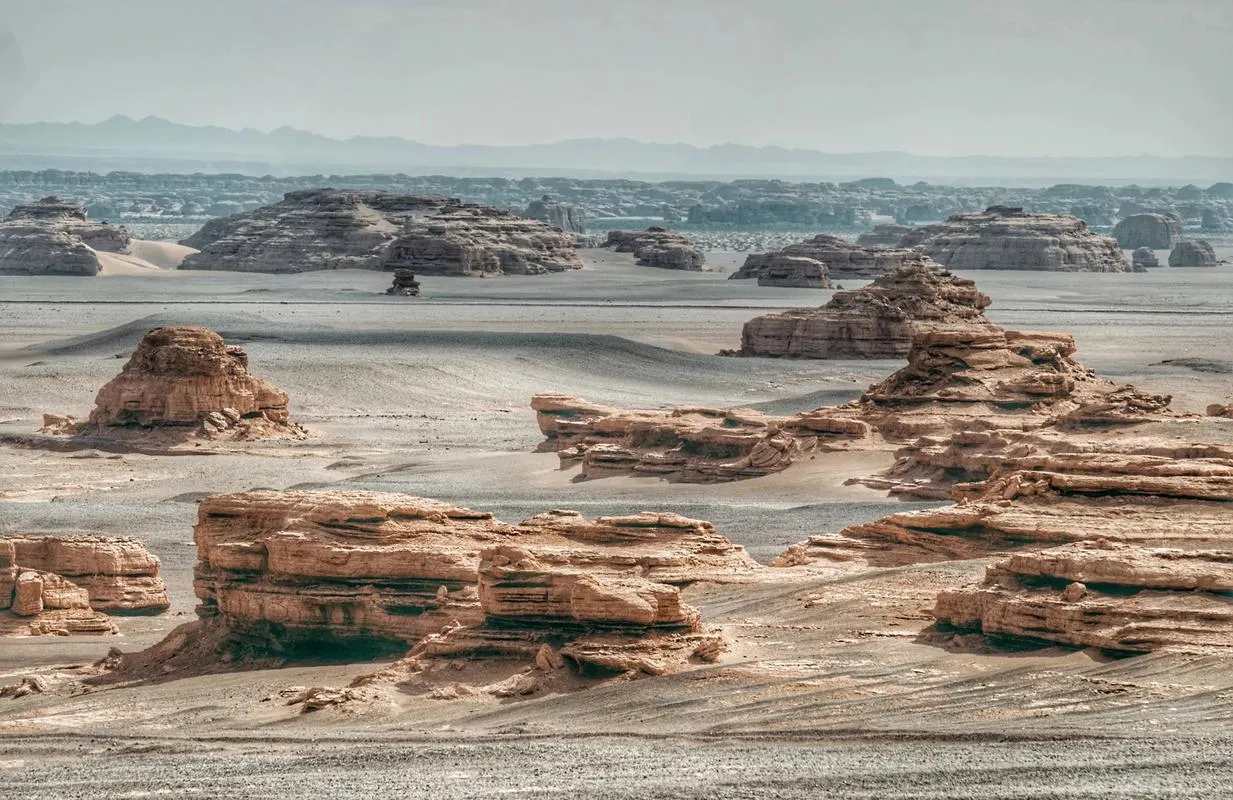 The Yadan badlands west of Dunhuang — wind-sculpted at sunset.
West of Dunhuang lie Yumen Pass (“Spring wind never reaches Yumen Pass” — the Tang poem every Chinese student knows) and the Yadan “Devil City” landform, a wind-carved badland best at sunset. It’s a long half-day by chartered car from Dunhuang.
Visa & entry: 240h does NOT cover Gansu
This is the single most important planning fact for this trip, and the one most English guides bury or get wrong.
China’s 240-hour (10-day) transit visa-free policy is generous — but Gansu province is NOT on the covered list. The official “not covered” provinces are Inner Mongolia, Jilin, Tibet, Gansu, Qinghai, Ningxia, and Xinjiang. Because the entire Hexi Corridor sits inside Gansu, you cannot use 240-hour transit-free to travel here, even with an onward ticket to a third country.
What works instead:
- 30-day unilateral visa-free entry — China unilaterally grants ordinary passport holders from dozens of countries (France, Germany, Italy, Spain, Malaysia, Australia, and many more) visa-free stays up to 30 days. This is the route most foreign travelers use, and 30 days is more than enough for the Hexi Corridor.
- Regular L (tourist) visa — for nationalities not covered by the above.
For the full visa-free policy, including which 55 countries and 65 ports are covered, see our 240-Hour Visa-Free Transit Guide — and note that if you combine the Hexi Corridor with Xi’an (Shaanxi), Xi’an is covered by 240h, but the moment you cross into Gansu you’re outside the zone.
Local Tip: Dunhuang is a mature international destination. As of 2026 the city is rolling out multilingual services — multi-language signage at major sites, foreign-language guides, and smart-tourism platforms. Major sights and higher-end hotels have basic English; for deeper cultural context, a travel agency can arrange an English-speaking guide. The Mogao digital films have English subtitles.
Practical survival tips
- Payments. Bind a Visa/Mastercard to Alipay or WeChat Pay before you arrive — it covers essentially everything. See our Alipay Setup Guide.
- Internet. You’ll need a VPN for Google, Instagram, and to use the WeChat Mogao booking smoothly — set this up before entering China. (See our Apps Guide.)
- Getting to Mogao from Dunhuang city. Cheapest: the dedicated shuttle bus from opposite the Silk Yiyuan Hotel (丝路怡苑大酒店), ~30 minutes.
- Language. Bring a translation app (Baidu Translate handles offline Chinese). Outside Dunhuang and the big sites, English is scarce.
A realistic budget (per person, excluding international flights)
| Item | Estimate |
|---|---|
| High-speed rail Lanzhou→Jiayuguan | ~¥250 (second class) |
| Mogao Caves | ¥238 peak / ¥140 off-season |
| Zhangye Danxa | ¥93 |
| Jiayuguan Fortress + Overhanging Wall | ¥110 + ¥21 |
| Mingsha Mountain | ¥110 |
| Mid-range hotels (7–9 nights) | ¥400–600/night in smaller cities |
| 7–9 days total (in-country spend) | roughly ¥4,000–6,000 |
The bottom line
The Hexi Corridor is the most rewarding Silk Road trip you can take in a single week — dense with history, spectacular to look at, and refreshingly free of the permit headaches of Tibet or Xinjiang. The two traps are administrative, not physical: book Mogao through WeChat, and don’t assume your 240-hour visa-free transit covers Gansu — it doesn’t. Sort the visa, install WeChat and a VPN before you fly, set your alarm for the Mogao ticket release, and the rest of the corridor unfolds by train.