10 Days in China - The Essential Itinerary from Beijing to Shanghai via Xi'an and Guilin
Ten days is the sweet spot for a first China trip; long enough to experience imperial history, ancient wonders, surreal landscapes and futuristic cities, short enough to keep the pace manageable. This itinerary concentrates on four destinations connected by a mix of high-speed trains and flights, minimizing travel dead time while maximizing variety.
How we verified this: SinoWander reads Chinese-language sources that English guides cannot, including official scenic-area ticket notices, the 12306 railway platform, Ctrip, and Dianping. We cross-check them before writing. We have not personally visited every location. Each guide is date-stamped when last verified: 2026-08-06. See our methodology.
Route Overview
Beijing (3 days) → Xi’an (2 days) → Guilin/Yangshuo (2 days) → Shanghai (3 days)
This route delivers three distinct Chinas: the imperial north (Beijing, Xi’an), the karst south (Guilin) and the hyper-modern east (Shanghai).
Days 1–3: Beijing
Day 1: Forbidden City and Imperial Gardens
Tiananmen Square → Forbidden City → Jingshan Park → Beihai Park
Arrive at Tiananmen Square early (passport required for security check). Walk north through the Meridian Gate into the Forbidden City (故宫, ¥60 / $8.85 peak season, ¥40 / $5.90 off-peak). Plan 4–5 hours for a thorough visit. Exit from the north, cross the moat and climb the steps in Jingshan Park (景山公园) for the single best view of the palace complex; the golden roof tiles stretching south in perfect symmetry. Beihai Park (北海公园) to the west offers a quiet lake-side walk to end the day.
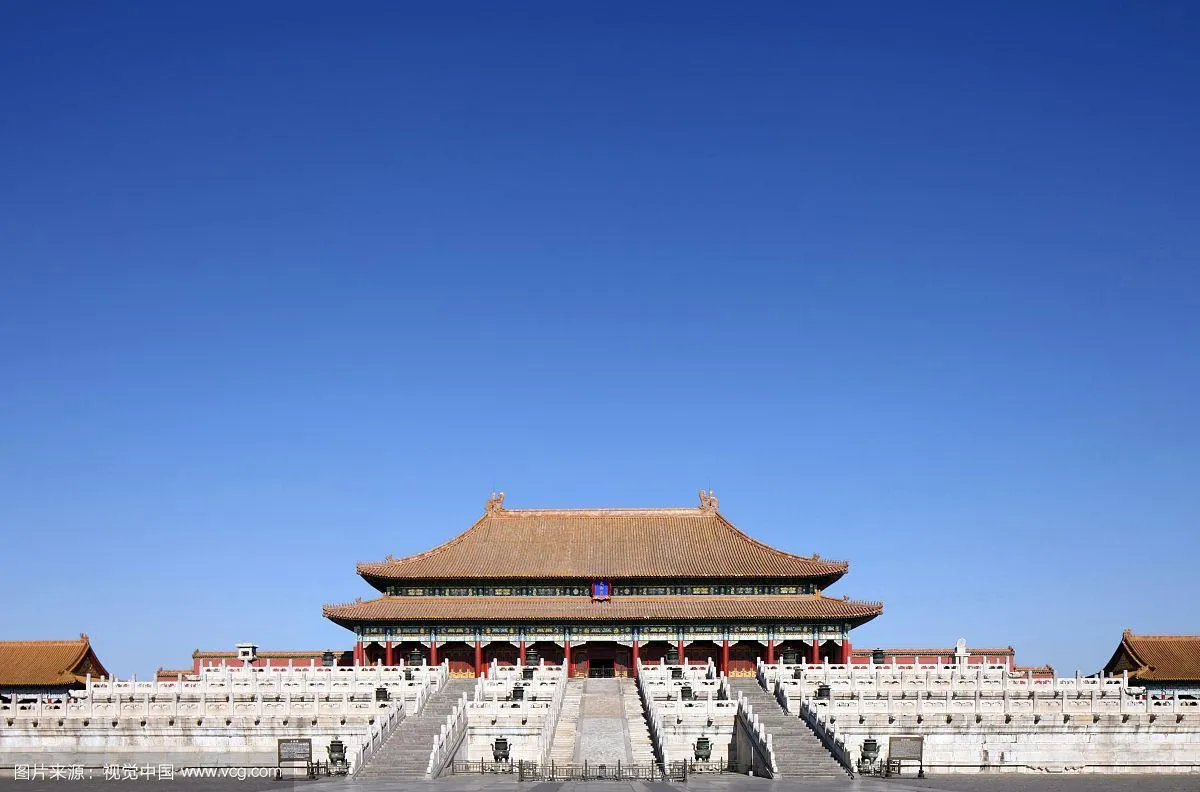 Day 1: the Hall of Supreme Harmony, the largest hall in the Forbidden City.
Day 2: The Great Wall
Mutianyu Great Wall (full day)
Mutianyu is the best choice for most visitors: scenic, manageable and far less crowded than Badaling. The full round trip from central Beijing takes 6–8 hours including transport.
Options for the Wall itself:
- Cable car up + toboggan down: most fun, popular with families
- Full hike both ways: best for active travelers
- Cable car both ways: easiest option
Day 3: Temples, Gardens and Hutongs
Summer Palace → Temple of Heaven → Yonghe Temple → Nanluoguxiang
The Summer Palace (颐和园, ¥30 / $4.40) is a masterpiece of imperial landscape design around Kunming Lake. The Temple of Heaven (天坛, ¥15–34 / $2.20–5.00) is where Ming and Qing emperors prayed for good harvests. Yonghe Temple (Lama Temple) is Beijing’s most important Tibetan Buddhist monastery. Finish with Nanluoguxiang (南锣鼓巷) and the surrounding hutong alleys; traditional courtyard neighborhoods now filled with craft shops, bars and cafes.
Local Tip: The Summer Palace is enormous; most tourists cluster around the Marble Boat and Long Corridor. Walk east toward the Seventeen-Arch Bridge and you will find quieter sections with better views. On a winter afternoon, the frozen lake with the bridge silhouetted against the sunset is unforgettable.
Days 4–5: Xi’an
Day 4: The Terracotta Army
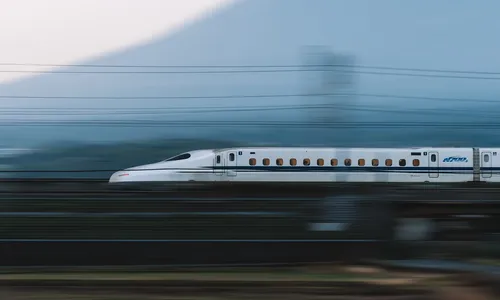
Morning: High-speed train Beijing West → Xi’an North (4.5–6 hours, ¥515 / $76 second class). Store luggage at the hotel.
Afternoon: Head to the Terracotta Warriors (22 mi / 35 km from the city center). Follow the recommended order: Pit 1 → Pit 3 → Pit 2 → Bronze Chariot Hall. Allow 3–4 hours. The all-inclusive ticket costs ¥120 ($17.70) and includes Lishan Garden with a free shuttle.
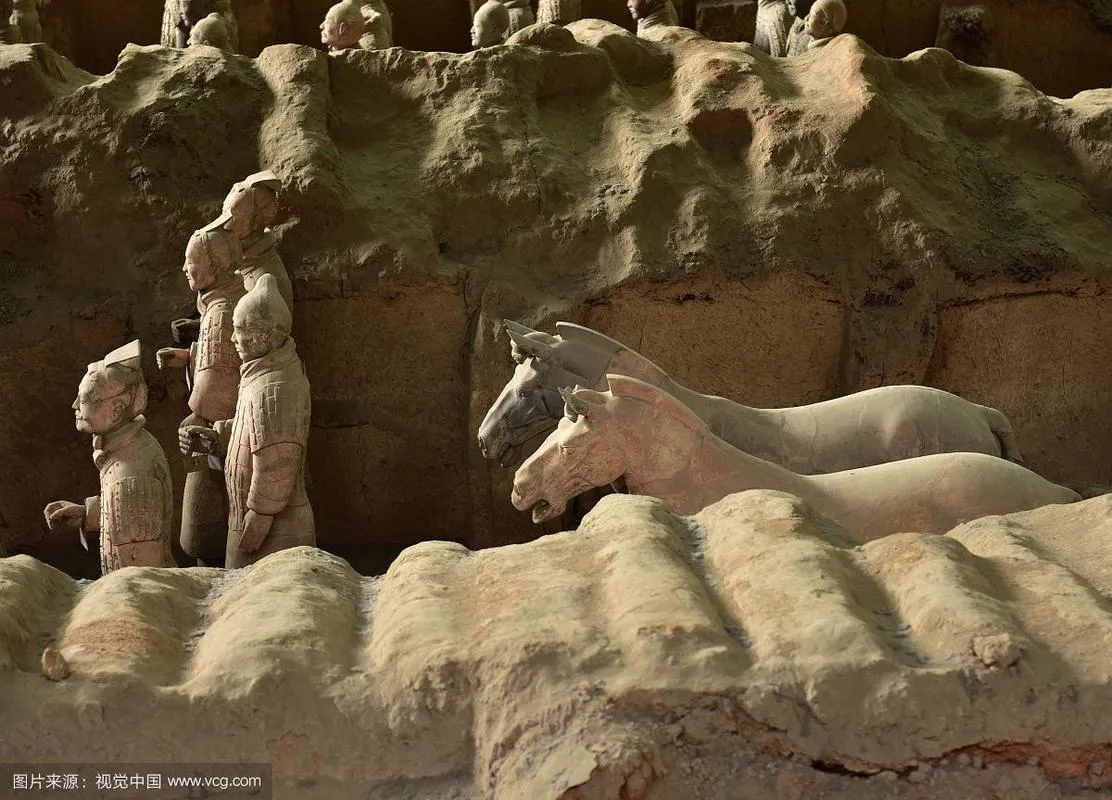 Day 4: the Terracotta Army’s ranks, face after individual face.
Evening: Dinner at Muslim Quarter (回民街). Try roujiamo (pork flatbread, ¥8–20 / $1.20–2.95), liangpi (cold noodles) and yangrou paomo (mutton bread soup).
Day 5: City Walls and Tang Dynasty Nights
Morning: Rent a bicycle on top of the Xi’an City Wall (¥54 / $7.96 entry + ¥45 / $6.60 bike rental for 2 hours). The full circuit is 8.5 miles (13.7 km); a flat, easy ride with views into the old city on one side and the modern city on the other.
Afternoon: Bell and Drum Towers → Giant Wild Goose Pagoda.
Evening: Tang Dynasty Never-Sleeps City (大唐不夜城). This pedestrian zone transforms after dark into a theatrical spectacle with Tang-dynasty costume parades, street performers and illuminated architecture. It is free to walk through and has become one of Xi’an’s most popular attractions.
Avoid: The Terracotta Warriors souvenir shops lining the road to the museum. The “authentic” clay warriors are mass-produced factory replicas at inflated prices. If you want a souvenir, buy from the official museum shop inside.
Days 6–7: Guilin and Yangshuo
Morning of Day 6: Fly Xi’an → Guilin (2–2.5 hours, ¥400–1,000 / $59–148).
Day 6: Li River Cruise
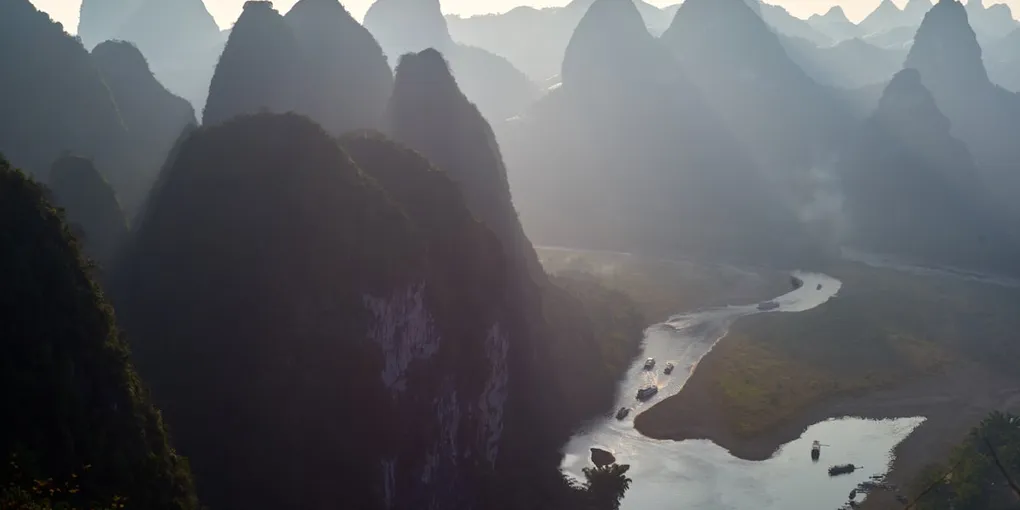
Li River boat (Guilin → Yangshuo): the signature Guilin experience. The 4-hour cruise passes through a landscape of limestone karst towers rising from the riverbanks, water buffalo grazing on the banks and fishing villages. The scenery between Xingping and Yangshuo is the section printed on the ¥20 banknote. Our Guilin and Yangshuo guide covers how to base yourself for both ends of the river; for a multi-day river cruise instead, see our Yangtze River cruise guide.
Arrive in Yangshuo in the afternoon. Explore West Street (西街) for dinner, bars and people-watching.
Ticket: ¥210–350 ($31–52) depending on boat class.
Day 7: Cycling and Bamboo Rafting
Ten-Mile Gallery → Yulong River bamboo rafting → Elephant Trunk Hill
Rent a bicycle or electric scooter in Yangshuo (¥30–50 / $4.40–7.40 per day) and ride the Ten-Mile Gallery (十里画廊), a scenic road winding past karst peaks and farmland. Take a bamboo raft down the Yulong River (遇龙河); a quiet, intimate alternative to the motorized Li River cruise. Back in Guilin, visit Elephant Trunk Hill (象鼻山), the city’s iconic landmark.
Local Tip: If you have extra energy on Day 7 evening, take a walk around the Two Rivers and Four Lakes (两江四湖) area in Guilin. The illuminated pagodas and bridges reflected in the water make for excellent night photography.
Days 8–10: Shanghai
Morning of Day 8: Fly Guilin → Shanghai (2–2.5 hours, ¥300–900 / $44–133).
Day 8: The Classics
The Bund → Nanjing Road → Oriental Pearl Tower → Lujiazui
Walk the Bund (外滩) waterfront promenade at sunset for the iconic view across the Huangpu River to the Pudong skyline. Nanjing Road (南京路) is Shanghai’s main shopping artery. Cross the river to Lujiazui to go up the Oriental Pearl Tower (东方明珠, ¥199–299 / $29.40–44.10) or the Shanghai Tower observation deck for aerial views.
Day 9: Old Shanghai and Culture
Yu Garden → City God Temple → Shanghai Museum → Tianzifang → Xintiandi
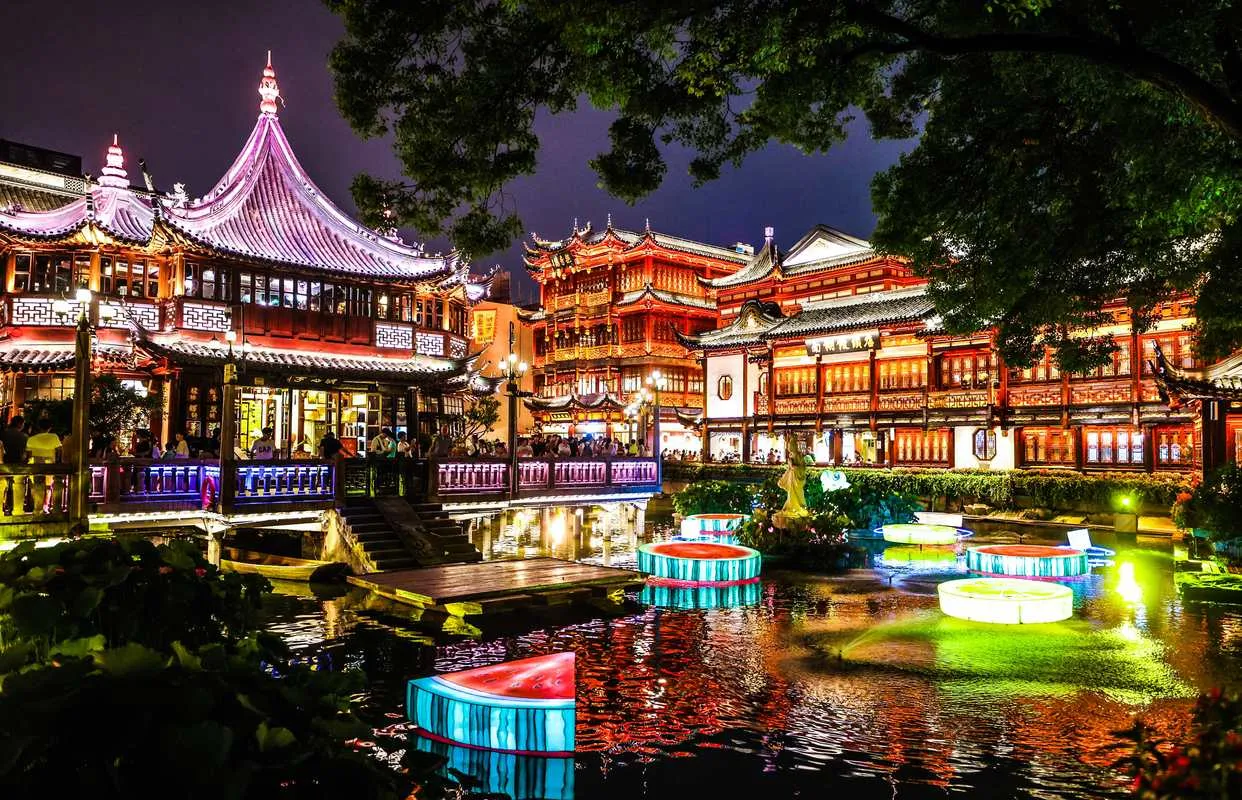 Day 9: Yu Garden’s bridge and pavilion in the old city.
Yu Garden (豫园, ¥40 / $5.90) is a beautifully preserved classical Chinese garden surrounded by traditional markets. The Shanghai Museum (free) houses one of the world’s finest collections of Chinese bronzes, ceramics and calligraphy. Tianzifang (田子坊) is a labyrinth of narrow lanes packed with galleries, design shops and cafes in converted Shikumen houses. Xintiandi (新天地) offers a polished version with upscale restaurants.
Eat: Xiaolongbao (soup dumplings) at Nanxiang Steamed Bun Restaurant near Yu Garden. A basket costs ¥15–50 ($2.20–7.40). Also try shengjianbao (pan-fried pork buns) at Yang’s Dumplings.
Day 10: Water Town or Free Day
Option A: Zhujiajiao Ancient Water Town (朱家角古镇); a 1,700-year-old canal town 30 miles (48 km) from central Shanghai. Stone bridges, wooden boat rides, Qing-dynasty architecture. Reachable by metro Line 17 (about 1 hour). Entry free, boat rides ~¥80 ($12).
Option B: Free day for last-minute shopping, revisiting favorites or exploring neighborhoods like the French Concession.
Local Tip: The Shanghai Museum is free but requires advance reservation through its WeChat mini-program. Book 1–2 days ahead, especially on weekends.
Budget Estimates (10 Days, Per Person)
| Category | Budget | Comfortable | Premium |
|---|---|---|---|
| Accommodation (9 nights) | ¥2,000–3,000 ($295–442) | ¥4,000–6,000 ($590–885) | ¥6,000–10,000 ($885–1,475) |
| Transport (inter-city + local) | ¥2,500–3,500 ($369–516) | ¥3,000–4,000 ($442–590) | ¥4,000–6,000 ($590–885) |
| Food (10 days) | ¥1,500–2,000 ($221–295) | ¥2,500–4,000 ($369–590) | ¥4,000–6,000 ($590–885) |
| Attraction tickets | ¥800–1,200 ($118–177) | ¥1,000–1,500 ($147–221) | ¥1,000–1,500 ($147–221) |
| Total | ¥8,000–12,000 ($1,180–1,770) | ¥12,000–18,000 ($1,770–2,655) | ¥15,000–20,000+ ($2,212–2,950+) |
International flights not included. Add a 10–20% buffer for seasonal price variation.
Key Ticket Prices at a Glance
| Attraction | Price |
|---|---|
| Forbidden City (peak) | ¥60 ($8.85) |
| Mutianyu Great Wall | ¥40 ($5.90) |
| Summer Palace | ¥30 ($4.40) |
| Temple of Heaven | ¥15–34 ($2.20–5.00) |
| Terracotta Warriors | ¥120 ($17.70) |
| Xi’an City Wall | ¥54 ($7.96) |
| Li River cruise | ¥210–350 ($31–52) |
| Oriental Pearl Tower | ¥199–299 ($29.40–44.10) |
| Yu Garden | ¥40 ($5.90) |
Transport Summary
| Leg | Best Method | Duration | Approximate Cost |
|---|---|---|---|
| Beijing → Xi’an | High-speed rail | 4.5–6 hrs | ¥515 ($76) |
| Xi’an → Guilin | Flight | 2–2.5 hrs | ¥400–1,000 ($59–148) |
| Guilin → Shanghai | Flight | 2–2.5 hrs | ¥300–900 ($44–133) |
Train booking: Use the 12306 app or website (supports foreign passports). Tickets open 15 days before departure.
Flight booking: Ctrip / Trip.com for the widest selection and price comparison.
Practical Advice
- Payment: Install Alipay and WeChat Pay before arrival. Link an international credit card. Carry ¥500–1,000 cash as backup.
- Navigation: Download Gaode Maps (高德地图) or Baidu Maps; Google Maps is inaccurate in China and requires a VPN.
- Communication: Download a translation app with offline capability. English signage is improving but still limited outside major tourist areas.
- VPN: If you need access to Google, Facebook, WhatsApp or Instagram, install and test a reliable VPN before entering China.
- Water: Do not drink tap water. Bottled water is cheap (¥2–3 / $0.30–0.44) and available everywhere.
When to Take This Trip
| Season | Rating | Why |
|---|---|---|
| April–May | 5/5 | Mild temperatures (59–77°F / 15–25°C), spring flowers, clear days |
| September–October | 5/5 | Crisp autumn air, fall colors, comfortable walking weather |
| June–August | 3/5 | Hot (86–95°F / 30–35°C), rainy, but summer holidays mean availability is good |
| November–March | 4/5 | Fewer tourists, lower prices. Beijing can be very cold (14°F / -10°C). Southern stops are pleasant. |
Avoid: October 1–7 (National Day Golden Week); every attraction, train and hotel is packed, and prices surge. Also avoid Spring Festival (January–February, dates vary).
What to Pack for This Itinerary
This route spans four climate zones and multiple activity types. Here are the essentials that apply regardless of season:
- Comfortable walking shoes: You will walk 5–8 mi (8–13 km) per day on hard surfaces. Break in your shoes before the trip.
- Portable power bank (10,000 mAh+): Navigation, translation apps, mobile payment and photography drain batteries quickly.
- Universal travel adapter: China uses Type A (flat pins), Type C (round pins) and Type I (angled pins). Voltage is 220V.
- Pocket tissues and hand sanitizer: Public restrooms in China often do not supply toilet paper or soap.
- Alipay and WeChat Pay: Installed and linked to an international card before arrival. Cash is a backup, not primary payment.
- VPN: Downloaded and tested before entering China if you need Gmail, Google, WhatsApp or Instagram.
- Translation app with offline Chinese pack: Essential outside major tourist areas.
Clothing varies by season: Spring and autumn need layers (50–77°F / 10–25°C). Summer demands sunscreen and breathable fabrics (86–95°F / 30–35°C). Winter requires a serious coat for Beijing (can drop to 14°F / -10°C) but only a light jacket for Guilin and Shanghai.
Food Highlights by City
Each stop on this itinerary has its own culinary identity. Here is what to seek out:
Beijing: Peking duck at a proper restaurant (not a street stall). Zhajiangmian (fried sauce noodles). Jianbingguozi (breakfast crepes) from a morning street cart.
Xi’an: Roujiamo (meat flatbread), biangbiang noodles (wide belt noodles), yangrou paomo (mutton soup with bread). All best in Muslim Quarter.
Guilin: Guilin rice noodles (桂林米粉); a breakfast staple with pork, peanuts and pickled vegetables in a clear broth. Beer fish (啤酒鱼) in Yangshuo; whole fish cooked in local beer with tomatoes and peppers.
Shanghai: Xiaolongbao (soup dumplings), shengjianbao (pan-fried pork buns), hairy crab (seasonal, October–December). Shanghai cuisine is sweeter and more delicate than the spicy north and west.
Daily Pacing Notes
This itinerary is ambitious but achievable. A few adjustments for different travel styles:
- Slower pace: Drop one city. Either skip Guilin and add a day each to Beijing and Shanghai, or skip Xi’an and spend more time in Guilin/Yangshuo. Each city rewards extra time.
- Faster pace: Add Chengdu (2 days) between Xi’an and Guilin for pandas and Sichuan hotpot. This turns the itinerary into a 12-day trip but adds genuine variety.
- With children: Replace the Temple of Heaven with the Beijing Zoo or an acrobatics show. In Guilin, prioritize the bamboo rafting over cycling. In Shanghai, the Disneyland option exists and is well-regarded.
- Budget-conscious: Take overnight trains between Beijing and Xi’an instead of the daytime high-speed rail. The hard-sleeper berth (¥200 / $30) replaces both transport and a night’s accommodation.
Essential Apps for This Trip
| App | Purpose | Install Before Arrival |
|---|---|---|
| Alipay (支付宝) | Universal payment | Yes |
| WeChat (微信) | Payment + messaging | Yes |
| Gaode Maps (高德地图) | Navigation | Yes |
| DiDi (滴滴出行) | Ride-hailing | Yes |
| 12306 | Train ticket booking | Yes |
| Ctrip / Trip.com | Hotels and flights | Yes |
| Dianping (大众点评) | Restaurant discovery | Yes |
| Baidu Translate | Translation with camera | Yes |
| VPN | Accessing blocked services | Yes |
Compiled from Tripadvisor tour itineraries, Reddit r/travelchina community recommendations and booking platform data. Prices are approximate — verify through official sources before booking. Exchange rate used: 1 USD = 6.78 CNY.
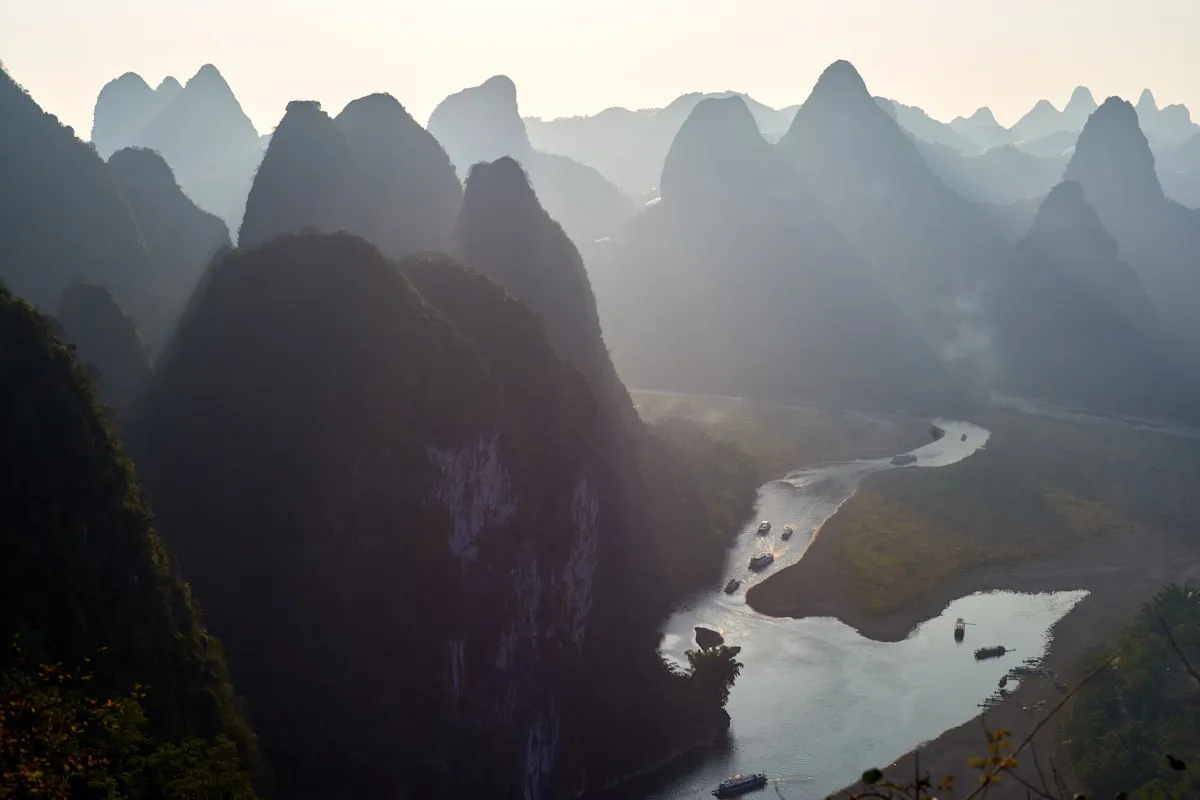 The Li River cruise passing through karst peaks — a highlight of Day 6 on this 10-day itinerary.
Sources & Verification
This guide was last verified on 2026-08-06. Key Chinese-language sources:
- 12306 (China Railway official ticketing, 12306.cn): provides the high-speed rail schedules, fares, and foreign-passport booking referenced for the Beijing to Xi’an leg, with tickets opening 15 days before departure.
- Ctrip / Trip.com (携程, trip.com): the booking platform cited for flights between Xi’an, Guilin, and Shanghai, plus hotel and price comparison across the route.
- Dianping (大众点评, dianping.com): the restaurant discovery app listed in the essentials table, used to locate local dishes such as Guilin rice noodles, Xi’an Muslim Quarter street food, and Shanghai xiaolongbao.
- Gaode Maps (高德地图, amap.com): the navigation app recommended in the practical advice section, since Google Maps is inaccurate in China.
See our full verification methodology.
Related Articles
- 2 Weeks in China Itinerary — The extended 14-day version with Chengdu and Chongqing
- 240-Hour Visa-Free Transit Guide — This itinerary fits within the 10-day transit window
- China Backpacking Budget Guide — Detailed cost breakdowns for each city