China Travel Safety Tips - What Foreigners Need to Know About Health, Money, Internet and the Law
China is one of the safest countries in the world for travelers. Violent crime is rare, streets are well-lit and surveilled, and foreign visitors report feeling safe walking through cities at night. The US State Department rates China at Level 2 (“Exercise Increased Caution”), the second-lowest of four categories, the same rating given to France, the UK and Italy. But safe does not mean risk-free.
How we verified this: SinoWander reads Chinese-language sources that English guides cannot, including official Chinese government guidance (the 12308 consular hotline, drug-control rules, hotel registration law), Chinese service apps (Alipay, WeChat Pay, DiDi, Dianping), and Chinese banking advice (Bank of China, ICBC). We cross-check them before writing. We have not personally visited every location. Each guide is date-stamped when last verified: 2026-08-06. See our methodology.
Personal Safety
| Concern | Reality |
|---|---|
| Violent crime | Extremely rare against tourists. China’s overall crime rate is low. |
| Street safety at night | Major cities are well-lit and busy late into the evening. Walking alone at 11 PM in central Beijing, Shanghai or Chengdu feels safe. |
| Pickpocketing | Occurs at tourist hotspots and on crowded public transport. Use a front pocket or crossbody bag. Less common than in major European cities. |
| Scams | Tea house scams (friendly strangers invite you to a tea ceremony, then present a $500 bill) exist in Beijing and Shanghai. Politely decline invitations from overly friendly English-speaking strangers near tourist sites. |
| Emergency numbers | Police: 110. Ambulance: 120. Fire: 119. Operators may not speak English: have your hotel name written in Chinese. |
Local Tip: Take a photo of your hotel’s business card (which has the address in Chinese) when you check in. If you need to show a taxi driver or ask for directions, showing the card is faster and more accurate than trying to pronounce the address.
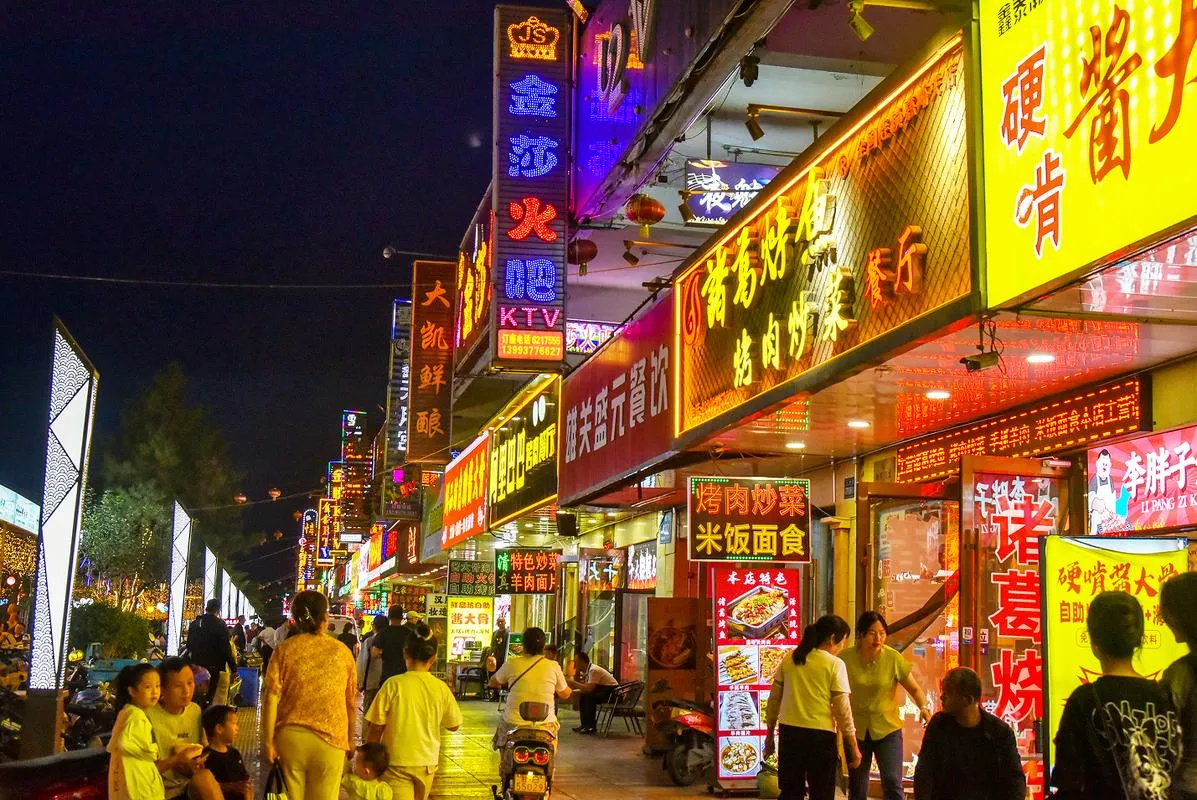 Lit, busy and crowded late: the default state of a Chinese city street at night.
Payment and Financial Safety
Set Up Mobile Payment Before You Arrive
China runs on mobile payment. Cash is accepted but increasingly inconvenient; many small vendors and even some mid-size restaurants prefer not to handle it. Credit cards are only accepted at large hotels, department stores and high-end restaurants.
Do this before landing:
- Download Alipay (支付宝) and create an account. Link an international Visa or Mastercard. The app has an English interface.
- Download WeChat Pay (微信支付) through the WeChat app. Link an international card. WeChat is also your primary messaging and social app in China.
- Carry ¥500–1,000 ($74–148) in cash as backup, useful for rural areas, very small vendors and emergencies.
- Link a second card to at least one payment app. If your primary card gets blocked, you need a fallback.
Financial Safety Tips
- No tipping culture: tipping does not exist in China. Do not tip at restaurants, hotels or taxis. It creates confusion.
- Counterfeit money is rare but not zero. Check large-denomination bills (¥100) by holding them up to light; the watermark should be visible.
- ATMs at Bank of China, ICBC and China Construction Bank branches reliably accept foreign cards. Avoid standalone ATMs in convenience stores.
Avoid: Exchanging money at airport counters (the rates are poor). Use a bank ATM on arrival or exchange at a Bank of China branch in the city.
Food and Water Safety
| Issue | Advice |
|---|---|
| Tap water | Do not drink it. Not anywhere in China. Use bottled water (¥2–3 / $0.30–0.44) or boiled water. Hotels provide electric kettles, so boil tap water if bottled is not available. |
| Street food | Generally safe. Choose stalls with high turnover: if food is cooked fresh in front of you and locals are lining up, the risk is low. |
| Restaurant hygiene | Look for restaurants with an “A” rating sticker from the health department (displayed at the entrance). Avoid places that look empty during peak meal times. |
| Spicy food | If you are not used to it, go slowly. Sichuan and Hunan restaurants use numbing Sichuan peppercorns and large quantities of dried chilies. Order “wei la” (微辣, mildly spicy) to start. |
| Digestive issues | Pack antidiarrheal medication. Diet changes, unfamiliar oils and spice levels can cause problems even when food is perfectly safe. |
| Ice in drinks | Generally fine at restaurants and chain cafes. At small street vendors, it is safer to skip ice. |
Internet, Communication and the Great Firewall
This is the area that catches most foreign visitors off guard.
What Is Blocked
Google (Search, Gmail, Maps, YouTube, Drive), Facebook, Instagram, WhatsApp, Twitter/X, Telegram, TikTok international, many Western news outlets, and most VPN provider websites.
How to Get Around It
| Solution | How It Works | Cost |
|---|---|---|
| VPN app | Routes your traffic through servers outside China. Download and test before you enter the country; VPN provider websites are blocked inside China. | $5–15/month |
| eSIM (Airalo, etc.) | Data-only eSIM that routes through non-Chinese networks. Works for data but not for calling. No installation needed if your phone supports eSIM. | $5–20 for short trips |
| Hong Kong / Macau SIM | A physical SIM from Hong Kong provides uncensored internet via roaming. More expensive for data. | Varies |
Important: Install and test your VPN before you land in China. Once inside, you cannot access VPN provider websites to download the app.
Chinese Alternatives That Work Without a VPN
| Western Service | Chinese Replacement | How Good Is It |
|---|---|---|
| Google Maps | Gaode Maps (高德) or Baidu Maps | Better for China: more accurate, includes real-time bus info |
| WeChat (微信) | Universal in China. Install before arrival. | |
| Google Translate | Baidu Translate or Youdao (有道) | Download offline Chinese-English packs before you go |
| Uber | DiDi (滴滴出行) | Works with foreign phone numbers |
| Yelp / TripAdvisor | Dianping (大众点评) | Far more comprehensive for China |
Language barrier: Even in Beijing and Shanghai, English is not widely spoken outside hotels and major tourist sites. A translation app with camera function (point at a menu or sign and see the translation) is essential. Download the offline Chinese language pack before arrival.
Local Tip: Screenshot or save offline copies of important information: hotel addresses, train tickets, emergency numbers. If your VPN drops and you cannot access Gmail or Google Drive, you do not want to be stranded without key details.
Documents and Legal Requirements
Carry Your Passport at All Times
Chinese law requires foreign nationals to carry their original passport (not a copy) at all times. Police conduct random ID checks, especially near government buildings
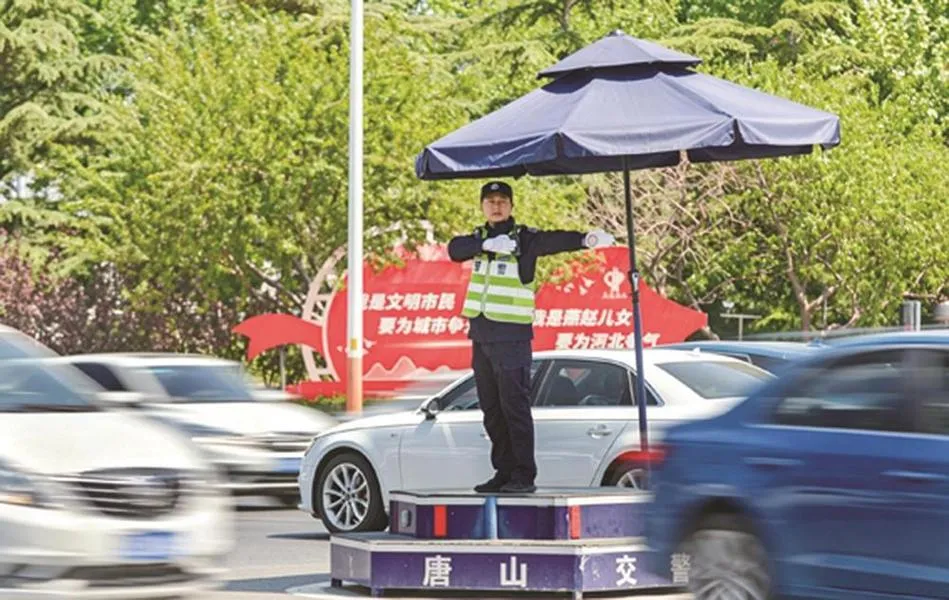 Daytime order is visible and routine: traffic points, marked crossings, staffed corners., train stations and in areas like Tiananmen Square where entry requires showing identification.
Additional precautions:
- Keep a photocopy of your passport in a separate bag
- Store a scanned copy in your phone and cloud storage
- Your hotel will keep your passport at the front desk during check-in (they are legally required to register foreign guests with local police). This is normal; you get it back at checkout.
Drug Laws
China has extremely strict drug laws. Several prescription medications common in Western countries are classified as controlled substances:
- Codeine-based cough syrups: illegal without a Chinese prescription
- Pseudoephedrine (Sudafed and similar decongestants): restricted
- ADHD medications (Adderall, Ritalin): controlled substances
- Some pain medications containing tramadol
If you carry prescription medication, bring a doctor’s letter in English listing the generic drug names and dosage. Keep medications in their original pharmacy-labeled containers.
Photography Restrictions
Do not photograph:
- Military installations and uniformed military personnel
- Government buildings with “no photography” signs
- Police officers and security checkpoints
- Border crossing areas
Photography at tourist sites, on streets and at cultural attractions is generally unrestricted.
General Legal Awareness
- Respect local laws: China’s legal system applies fully to foreign visitors
- Do not participate in political activities or public demonstrations
- Respect religious customs when visiting temples and monasteries (remove hats, speak softly, do not touch religious objects without permission)
- Traffic: Chinese driving culture is assertive. Use designated crossings and do not assume vehicles will stop for pedestrians, even at zebra crossings.
Health and Travel Insurance
Get travel insurance. This is non-negotiable. Medical care at international-standard hospitals in China (found in major cities) is expensive. A hospital visit without insurance can cost ¥2,000–10,000+ ($295–1,475+). Our travel insurance guide compares six plans, explains why Medicare and the NHS fail in China, and lists the Tibet altitude traps most policies miss.
What to look for in a policy:
- Coverage for China specifically (some policies exclude it)
- Medical evacuation coverage
- 24/7 English-speaking emergency assistance line
- Coverage for adventure activities if you plan to hike the Great Wall or visit high-altitude destinations
Air quality: Major Chinese cities experience air pollution episodes, particularly in winter. Check the AQI (Air Quality Index) on your weather app. Readings above 200 are considered unhealthy; sensitive individuals should wear an N95 mask and limit outdoor exertion.
Emergency Contacts
| Service | Number | Notes |
|---|---|---|
| Police | 110 | May not have English-speaking operators |
| Ambulance | 120 | Response times vary by location |
| Fire | 119 | |
| Consular protection hotline | 12308 | Chinese Ministry of Foreign Affairs (for foreign nationals, contact your own embassy) |
| US Embassy Beijing | +86-10-8531-4000 | |
| UK Embassy Beijing | +86-10-5192-4000 |
Common Scams and How to Handle Them
| Scam | How It Works | What to Do |
|---|---|---|
| Tea house scam (Beijing, Shanghai) | A friendly English-speaking local approaches you near a tourist site, invites you for tea at a “traditional ceremony,” then the bill arrives at ¥2,000–5,000 ($295–737). | Politely decline invitations from strangers. If you want tea, go to a tea house yourself and check the menu first. |
| Art student scam | ”Students” approach you saying they want to practice English, then lead you to an “art exhibition” with high-pressure sales of overpriced artwork. | Walk away. Genuine art students do not accost foreigners on the street. |
| Counterfeit money | You hand over a ¥100 bill; the vendor claims it is fake and hands back a different (genuine) fake bill, keeping yours. | Check bills by holding to light. Use mobile payment instead. |
| Taxi meter scam | Driver claims the meter is broken and quotes an inflated flat fare. | Only use metered taxis or DiDi (where the price is set by the app). Walk away from unmetered taxis. |
| ”The site is closed” scam | Someone near a major attraction tells you it is closed and offers to take you to an alternative (usually a shop). | Ignore them. Walk to the actual entrance and check for yourself. |
Health Precautions by Region
| Region | Health Concern | Prevention |
|---|---|---|
| Tibet and high-altitude areas (above 8,000 ft / 2,400 m) | Altitude sickness: headache, nausea, shortness of breath | Acclimatize for 1–2 days. Drink water. Consider acetazolamide (Diamox). Ascend gradually. |
| Southern China (summer) | Mosquito-borne illnesses (dengue in rare cases) | Use insect repellent. Wear long sleeves at dawn and dusk. |
| All regions | Traveler’s diarrhea from unfamiliar food | Carry antidiarrheal medication. Eat at busy restaurants. Avoid raw vegetables in areas with questionable hygiene. |
| Northern China (winter) | Air pollution: PM2.5 levels can exceed 200 AQI | Check AQI daily. Wear an N95 mask on bad days. Limit outdoor exercise when AQI exceeds 150. |
| Rural areas | Limited medical facilities | Carry a basic first-aid kit. Know the location of the nearest hospital. Ensure your travel insurance covers medical evacuation. |
Women Travelers in China
China is generally safe for solo female travelers. Street harassment is rare, and women report feeling comfortable walking alone at night in major cities. A few considerations:
- Dress codes are relaxed in cities. Shorts, tank tops and skirts are fine. At religious sites (temples, monasteries), cover shoulders and knees.
- Women-only train compartments are uncommon; overnight trains in soft-sleeper class feel safe.
- Harassment is uncommon but can occur in crowded venues. A firm “bu” (no) is usually sufficient.
LGBTQ+ Travelers
Homosexuality is legal in China and was declassified as a mental illness in 2001. Major cities (Shanghai, Beijing, Chengdu, Shenzhen) have visible LGBTQ+ communities, bars and events. Public displays of same-sex affection may draw stares but rarely hostility. Same-sex marriage is not legally recognized. Use discretion in smaller cities and rural areas.
Quick Safety Checklist
- Passport validity: at least 6 months beyond your travel dates
- Visa obtained (or visa-free eligibility confirmed)
- Alipay and WeChat Pay installed and linked to cards
- VPN installed and tested
- Travel insurance purchased with China coverage
- Passport photocopy and digital scan stored separately
- Emergency numbers saved in phone contacts
- Hotel address saved in Chinese (screenshot or photo of business card)
- Translation app downloaded with offline Chinese pack
- Any prescription medications in original containers with doctor’s letter
- ¥500–1,000 cash on hand as backup
Sources: US Department of State travel advisory for China, RealChinaGuide safety assessment, FoyoChinaTrip 2026 safety update, China Highlights travel advice. Safety conditions can change — check your government’s travel advisory before departure.
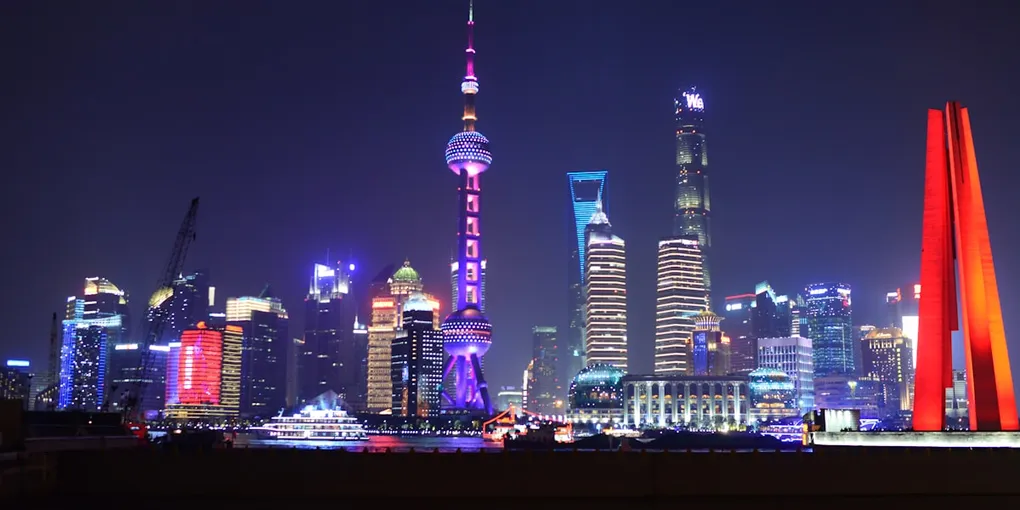
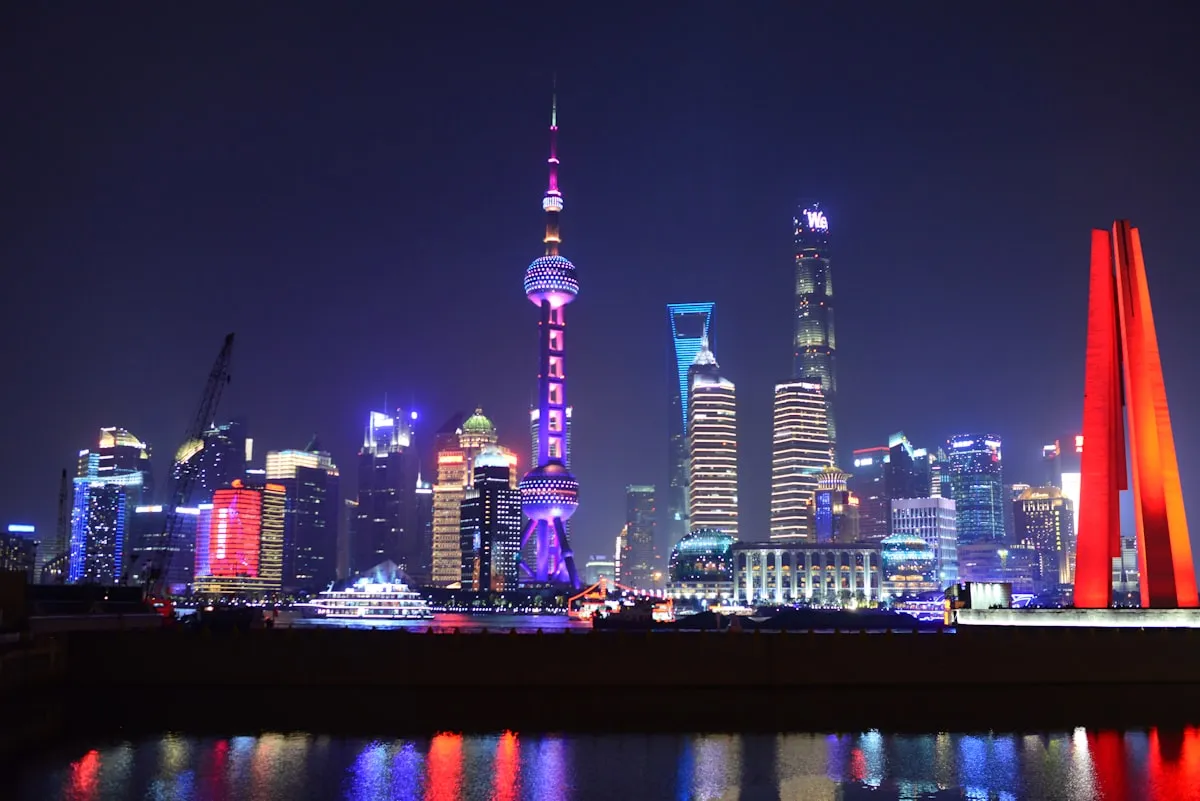 Nanjing Road in Shanghai at night — China’s cities are well-lit and safe for evening walks.
Sources & Verification
This guide was last verified on 2026-08-06. Key Chinese-language sources referenced in this guide:
- 12308 (中国外交部领事保护热线, China Ministry of Foreign Affairs consular protection hotline): the official consular protection number listed in the Emergency Contacts table, the channel foreign nationals can call in distress.
- 支付宝 / 微信支付 (Alipay / WeChat Pay): the mobile payment apps the Payment and Financial Safety section walks through, including card-linking steps and the cash backup recommendation.
- 滴滴出行 (DiDi): the app-based ride-hailing service named as the set-price alternative that lets you avoid the taxi meter scam in Common Scams.
- 大众点评 (Dianping): the Chinese review platform cited in the Chinese Alternatives table as the local replacement for Yelp and TripAdvisor, used to judge restaurant turnover and hygiene when picking where to eat.
See our full verification methodology.
Related Articles
- China Entry Requirements (2026) — Visa, customs and document requirements
- How to Get Internet in China (2026) — VPN and connectivity safety
- China Packing List (2026) — Health supplies and essential documents