Chinese Tea Culture, Night Markets & Food Philosophy
Chen Xiaoqing, the chief director of A Bite of China, once said: “A person can learn to speak with a London accent, but their stomach remains Chinese. Taste is the most stubborn part of memory.” Chinese cuisine is one of the clearest windows into how Chinese people think about memory, health, and family.
Quick answer: This guide covers Chinese tea culture (six major types, gong fu cha ceremony, yum cha dim sum tradition) and six must-visit night markets across China (Taipei, Chengdu, Xi’an, Changsha, Chongqing, Guangzhou). Start with our beginner’s food guide for basics, or see our 21 iconic dishes guide for the stories behind the food.
How we verified this: SinoWander reads Chinese-language sources that English guides cannot, including Chinese food documentaries (such as A Bite of China), Ctrip, Xiaohongshu, and Dianping. We cross-check them before writing. We have not personally visited every location. Each guide is date-stamped when last verified: 2026-08-06. See our methodology.
Chinese Tea Culture — From Beverage to Philosophy
The Six Major Types of Chinese Tea
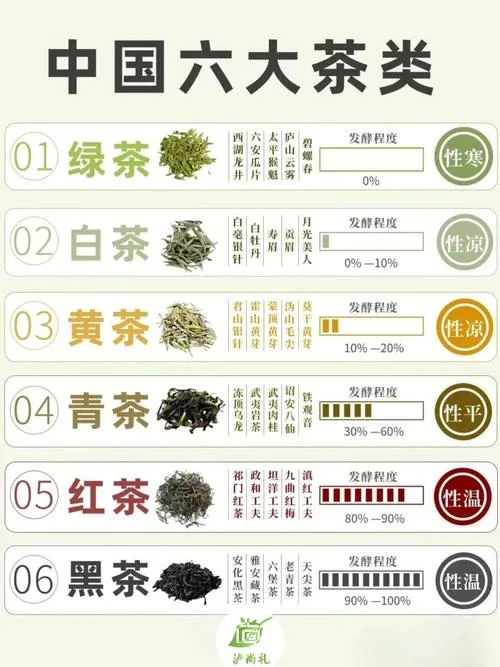 China’s six major tea categories — each with distinct flavors, fermentation levels, and traditional medicinal properties
Chinese tea is classified into six categories based on how much the leaves are oxidized during processing. In Traditional Chinese Medicine (TCM), each type also carries a “nature” — cold, cool, neutral, or warm — reflecting its effect on the body. Cold teas clear heat and detoxify; warm teas soothe the stomach and improve circulation.
| Tea Type | Iconic Varieties | Fermentation Level | Best Paired With |
|---|---|---|---|
| Green Tea (绿茶) | Longjing (Dragon Well), Biluochun (Green Snail Spring) | Unfermented (0%) | Light pastries, spring bamboo shoots |
| White Tea (白茶) | Silver Needle (Baihao Yinzhen), White Peony (Bai Mudan) | Minimal (0—10%) | Seafood, fresh fruit |
| Yellow Tea (黄茶) | Junshan Silver Needle | Light (10—20%) | Steamed dishes |
| Oolong Tea (乌龙茶) | Tieguanyin (Iron Goddess), Da Hong Pao (Big Red Robe) | Partial (30—60%) | Cantonese roast meats, grilled dishes |
| Black Tea (红茶) | Lapsang Souchong, Keemun | Full (80—90%) | Desserts, dairy |
| Dark Tea (黑茶) | Pu’er, Liubao Tea | Post-fermented (90—100%) | Rich, oily dishes, hot pot |
A quick note on terminology: what English speakers call “black tea” is hongcha (红茶, literally “red tea”) in Chinese, referring to the reddish-brown color of the brewed liquid. Chinese heicha (黑茶, “dark tea”) is an entirely different category of post-fermented teas like Pu’er, which are aged like wine and develop deep, earthy flavors over time.
Gong Fu Cha (功夫茶) — The Soul of Chinese Tea Ceremony
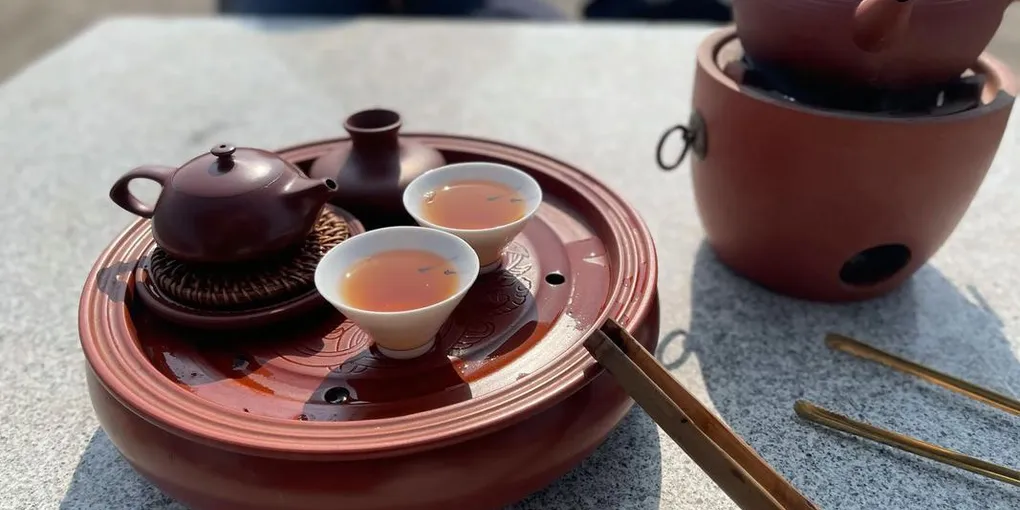
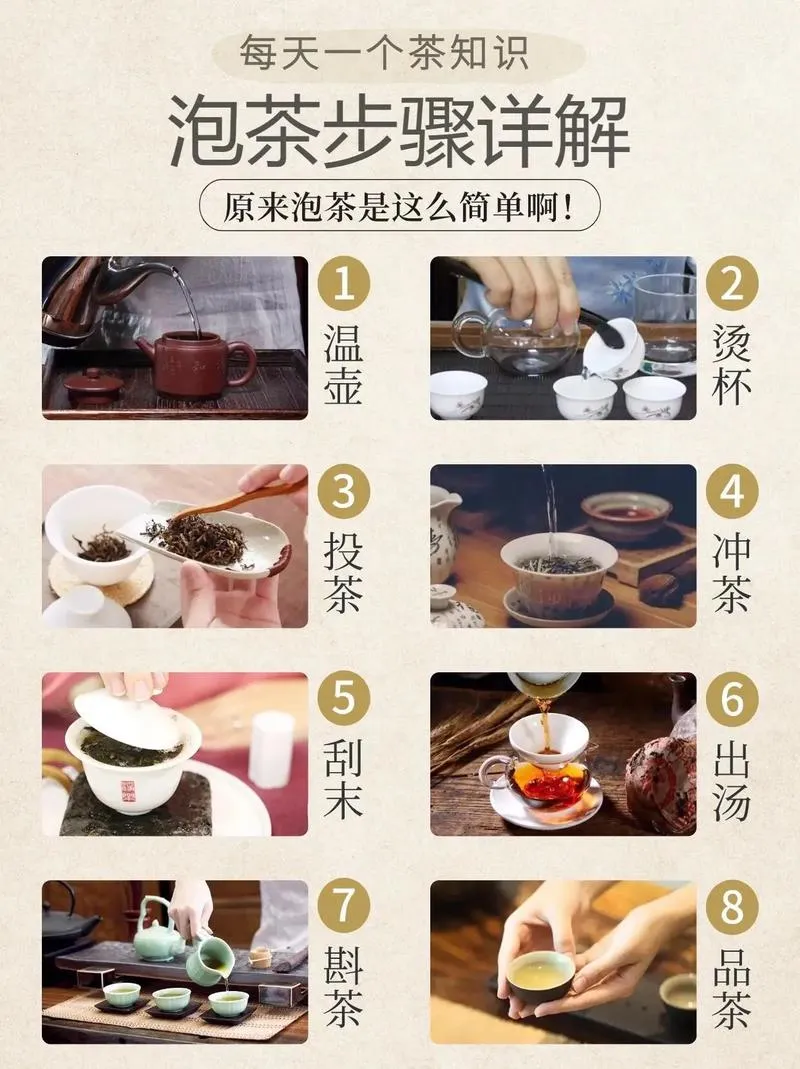 The Gong Fu tea brewing process is itself a meditative ritual
Gong Fu Cha originated in the Chaoshan region of Guangdong province and represents the most refined approach to brewing tea in China. Its core philosophy: extract the maximum flavor from tea leaves within a limited space and time, using a high leaf-to-water ratio (typically 7—8 grams of tea in a 100—150 ml pot — far more generous than Western brewing).
The ceremony unfolds in deliberate steps:
-
Warm the pot (温壶, wen hu) — Pour hot water into the empty teapot, swirl, and discard. This preheats the vessel so the brewing temperature stays stable, preventing cold clay from “shocking” the leaves.
-
Heat the cups (烫杯, tang bei) — Pour hot water over the small tasting cups arranged on a tea tray. This cleans and warms them, preserving the tea’s aroma when it is poured in later.
-
Add the leaves (投茶, tou cha) — Place measured tea leaves into the warm pot. The generous ratio is what makes Gong Fu style unique.
-
Awaken the tea (醒茶, xing cha) — The first infusion is poured quickly and discarded. This “wakes up” the leaves, rinsing away dust and opening them for the real brewing to follow.
-
Brew (冲茶, chong cha) — Pour water at the correct temperature over the leaves. Green tea demands around 80 degrees C (176 degrees F), oolong around 95 degrees C (203 degrees F), and Pu’er or dark tea requires a full rolling boil at 100 degrees C (212 degrees F). The first real infusion may be as short as 5—10 seconds.
-
Skim the foam (刮末, gua mo) — Use the teapot lid to scrape away the fine foam and leaf fragments that rise to the surface. This produces a cleaner brew and is part of the ritual precision.
-
Decant into the fairness pitcher (出汤, chu tang) — Pour the brewed tea into a gongdao bei (公道杯, literally “justice cup”). This pitcher ensures every guest receives tea of equal strength — pour directly into individual cups and the first would be weak while the last would be overpowering.
-
Serve (斟茶, zhen cha) — Pour from the fairness pitcher into each guest’s small tasting cup. Cups are filled only about 70 percent full. A Chinese saying goes cha man qi ke (茶满欺客) — “a full cup of tea insults the guest” — because an overflowing cup is too hot to pick up and implies you want the visitor to leave.
-
Taste (品茶, pin cha) — Hold the cup with both hands. First, inhale the aroma (wen xiang, 闻香). Then take a small sip and let the liquor roll across your tongue before swallowing.
A single pot of good tea can be steeped 7 to 15 times, each round revealing a different character. The early infusions are bold and intense, the middle ones mellow and full-bodied, and the final rounds turn light and elegant. Chinese drinkers often compare this arc to a life: strong in youth, mellow in the middle, light at the end.
Yum Cha (饮茶) — Cantonese Dim Sum Culture
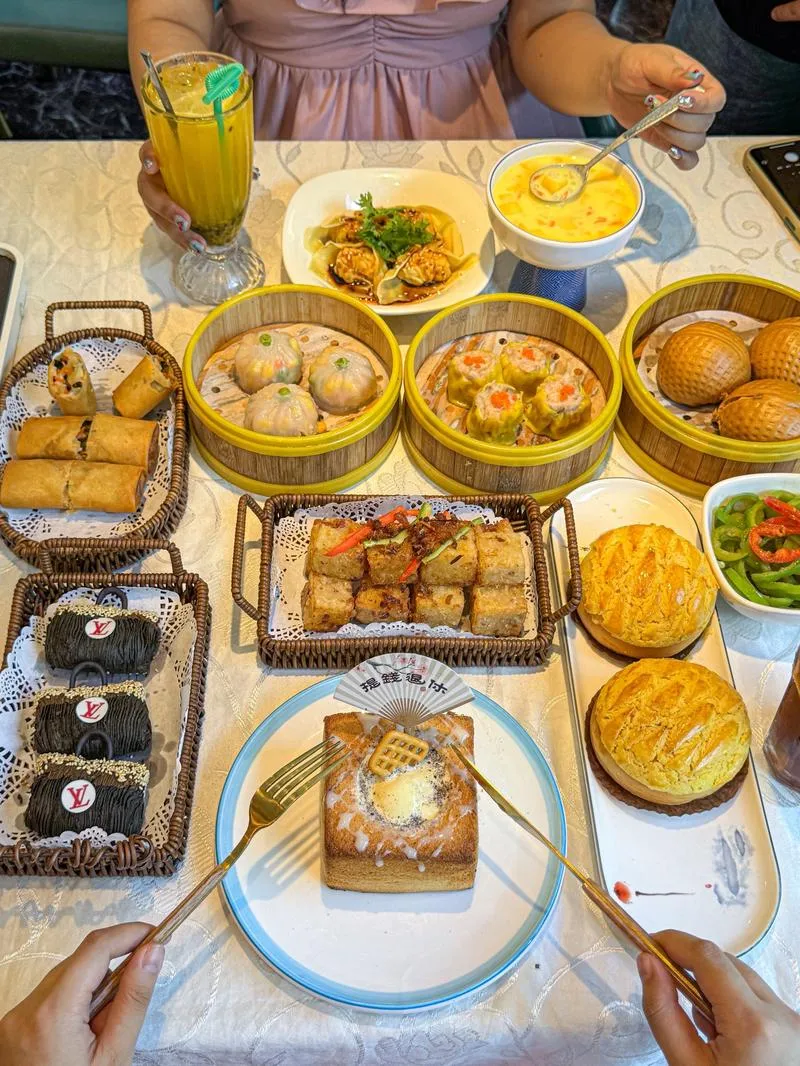 Weekend Yum Cha is the most important family social ritual in Cantonese culture
In Guangdong, Yum Cha (饮茶, literally “drinking tea”) means far more than drinking tea. On weekend mornings, entire families, often spanning three generations, head to a chalou (茶楼, tea house) to drink tea and eat dim sum. They linger from morning well past noon in a ritual known as taan zou cha (叹早茶) — taan (叹) in Cantonese means “to savor” or “to truly enjoy.”
The dim sum classics you must know:
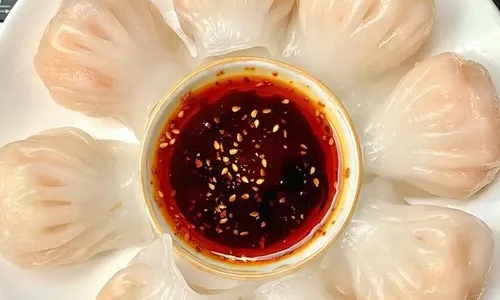
- Har Gow (虾饺) — Translucent, paper-thin wrappers encasing whole shrimp. Widely considered the king of dim sum; a chef’s skill is judged by how many pleats they can fold into each one.
- Siu Mai (烧卖) — Open-topped steamed dumplings, typically filled with pork and shrimp, crowned with a bright yellow wrapper or crab roe.
- Char Siu Bao (叉烧包) — Fluffy white steamed buns filled with sweet, savory Cantonese barbecued pork. The filling should be molten and the dough should split open naturally when steamed.
- Cheong Fun (肠粉) — Silky, gossamer-thin rice noodle rolls wrapped around shrimp, char siu, or beef, drizzled with sweet soy sauce.
- Egg Tart (蛋挞) — A flaky or shortcrust shell filled with silky egg custard. The Cantonese version was inspired by Portuguese pastries from Macau but evolved into something entirely its own.
Yum Cha etiquette to know:
- When someone pours tea for you, tap two fingers (index and middle) lightly on the table beside your cup. This is kou zhi li (叩指礼, the finger-tapping salute), a gesture of gratitude without interrupting conversation.
- When your teapot runs dry, tilt the lid halfway open and leave it resting on the rim. A server will come by to refill it without you needing to flag anyone down.
- Always choose your tea first (common options include Pu’er, Tieguanyin, or chrysanthemum), then order dim sum. The tea sets the tone for the entire meal.
For more on Chinese food culture, see our Chinese food guide for beginners. For the full Cantonese experience — what to order and where to eat in Guangzhou — see our Guangzhou food guide.
China’s Night Markets — A Thousand-Year-Old Tradition
A Tradition That Stretches Back a Thousand Years
China’s night market culture traces its roots to the Song Dynasty (960—1279). The bustling night streets of Bianjing (modern-day Kaifeng), the Northern Song capital, were vividly captured in Zhang Zeduan’s famous scroll painting Along the River During the Qingming Festival — streets ablaze with lantern light, food stalls lining every lane, crowds jostling and bargaining beneath the glow. A thousand years later, the night markets are just as crowded and just as loud.
Six Night Markets You Cannot Miss
1. Shilin Night Market, Taipei
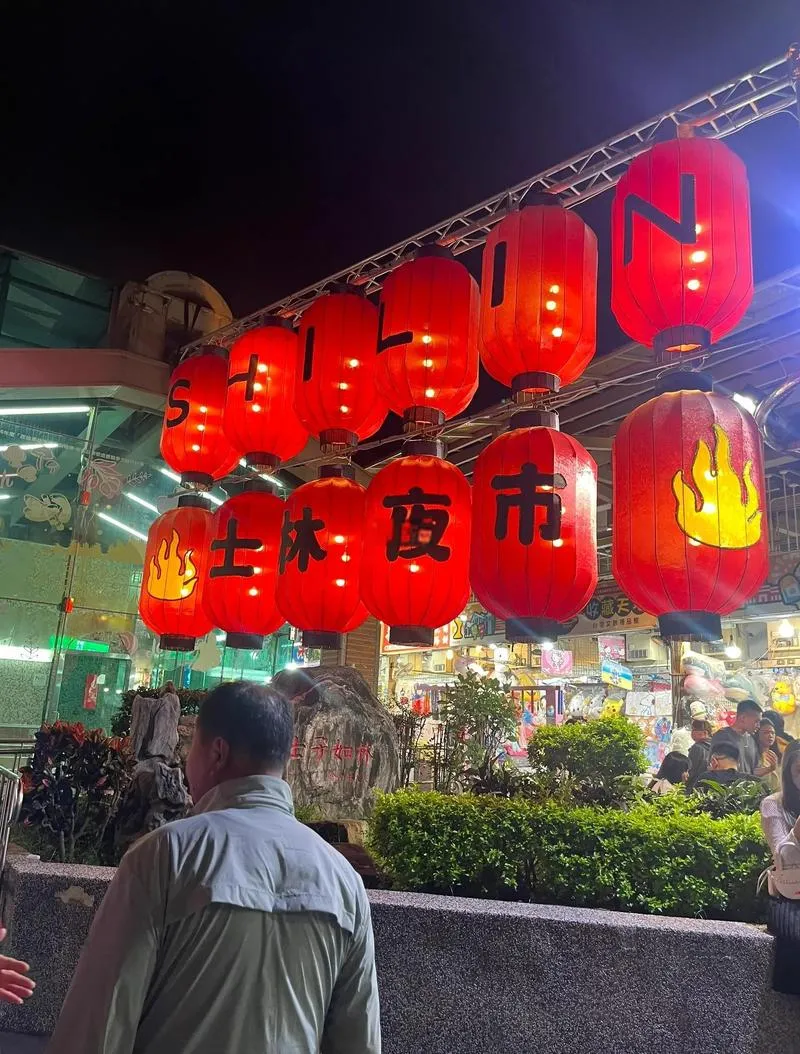 Taipei’s Shilin Night Market — the largest and most international night market in Taiwan
Must-eat dishes:
- Oh-ah-jian (蚵仔煎) — Oyster omelette, crispy on the outside, gooey with sweet-savory sauce within
- Da chang bao xiao chang (大肠包小肠) — A grilled pork sausage wrapped in a larger sticky-rice “sausage”
- Fried chicken cutlet (ji pai) — Often bigger than your face
- Bubble tea and mango shaved ice
What makes it special: Shilin is the grand synthesizer of Taiwanese night market culture, weaving together Fujianese, Japanese, and Southeast Asian food traditions into a single, overwhelming sensory experience.
Tips for visitors: Avoid weekends if you can. Weekday evenings are far less crowded and you will spend less time in lines.
2. Jinli and Kuanzhai Alley, Chengdu
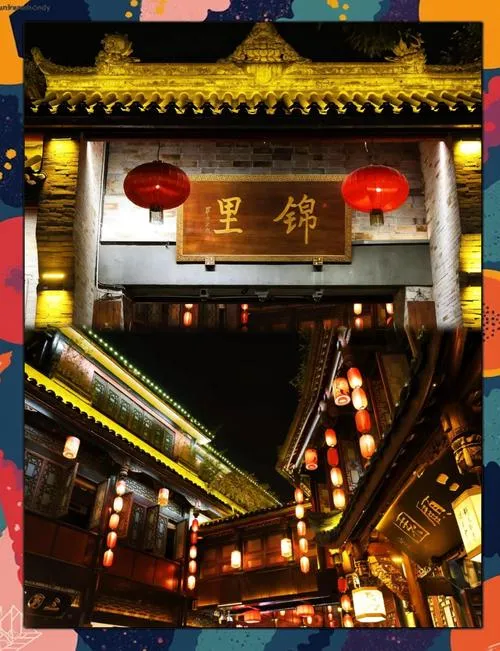 Jinli Night Market — ancient Shu culture meets fiery Sichuan street food
Must-eat dishes:
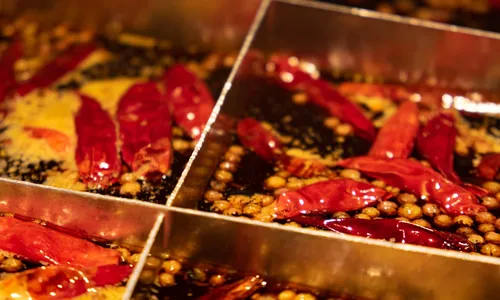
- Chuanchuan xiang (串串香) — Skewers of meat and vegetables cooked in a bubbling vat of chili oil, eaten by the dozen
- Bobo ji (钵钵鸡) — Cold chicken skewers marinated in sesame-chili broth
- Rabbit head (tu tou) — A Chengdu delicacy that is an acquired taste, braised or stir-fried with Sichuan peppercorns
- San da pao (三大炮) — A theatrical sticky-rice dessert where the chef hurls rice balls against a bronze plate so they bounce into a tray of crushed peanuts and sesame
What makes it special: You eat fire-breathing Sichuan food inside reconstructed ancient architecture while bianlian (变脸, face-changing) performers whip through mask changes inches from your table. It is part dinner, part performance.
Tips for visitors: The tourist zones are beautiful but pricey. Chengdu locals will direct you to Jianshe Road or Yulin Road for night markets that are cheaper and more authentic. See our Chengdu travel guide for more.
3. Muslim Quarter (Huimin Jie), Xi’an
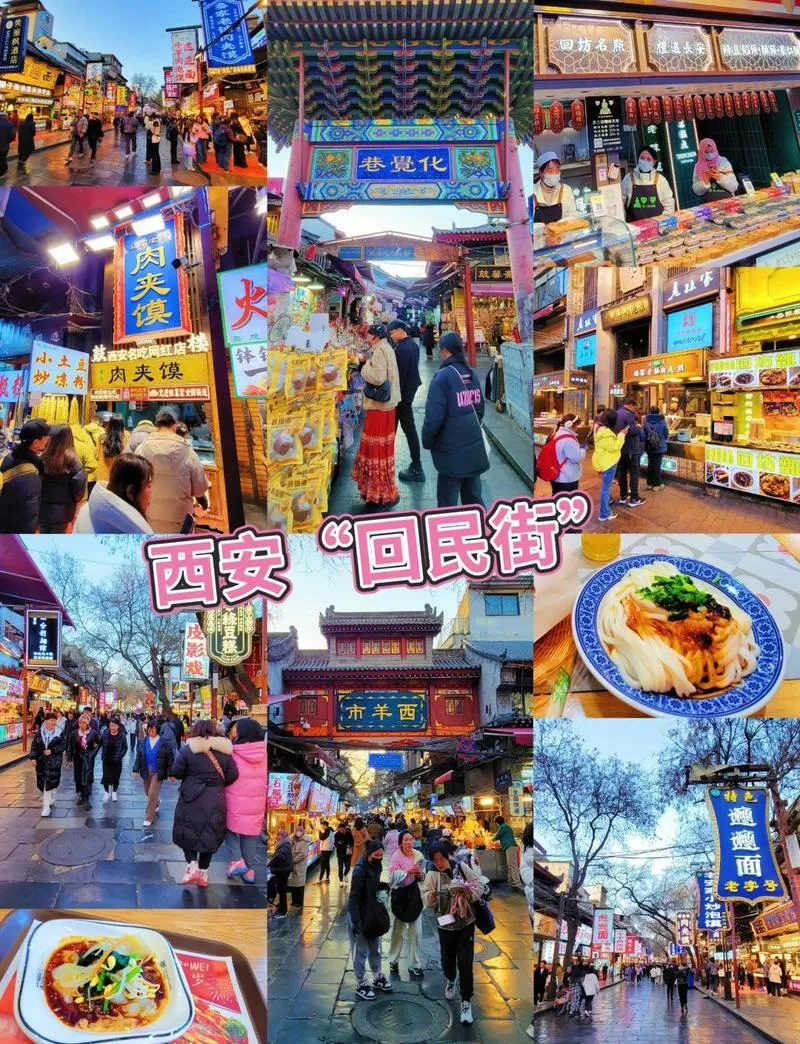 Xi’an’s Muslim Quarter — halal street food beneath the shadow of the ancient city wall
Must-eat dishes:
- Yangrou paomo (羊肉泡馍) — Lamb soup with torn-up flatbread, a Xi’an signature dish
- Charcoal-grilled lamb skewers, especially those threaded on red willow branches (hong liu zhi kao yangrou)
- Fresh pomegranate juice, pressed while you watch
- Zeng gao (甑糕) — A sticky, sweet cake of glutinous rice, red dates, and beans steamed in a traditional clay pot
What makes it special: This is Hui Muslim cuisine at its finest — halal preparations that reflect centuries of cultural exchange along the Silk Road. The flavors are unlike anything else in China: cumin-heavy, smoke-kissed, unapologetically rich.
Tips for visitors: Walk deeper into the quarter away from the main drag. The stalls and restaurants on the side streets are cheaper and more genuine than those near the entrance. See our Xi’an travel guide for more.
4. Taiping Street and Pozi Street, Changsha
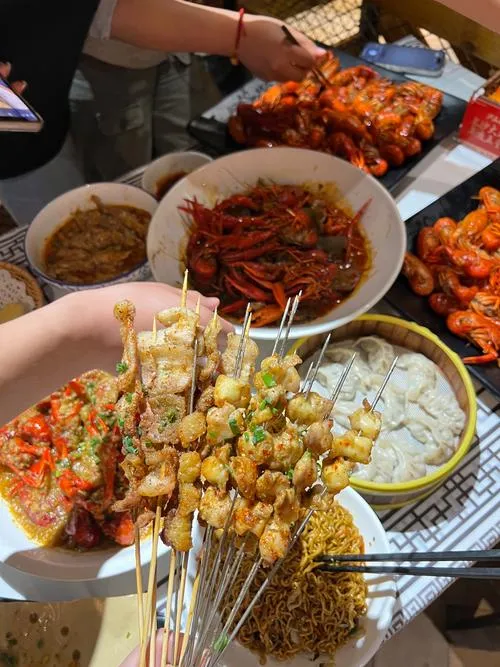 Changsha night market — China’s most heat-loving city, still roaring at 3 AM
Must-eat dishes:
- Chou doufu (臭豆腐) — Stinky tofu, deep-fried until the exterior shatters and drizzled with chili sauce. The smell is strong, but the first bite is crisp and savory.
- Tang you baba (糖油粑粑) — Caramelized sticky rice patties, crispy outside and chewy within
- Kouwei xia (口味虾) — Spicy crawfish cooked in a wok with mountains of dried chilies and Sichuan peppercorns
- Cha yan yue se (茶颜悦色) — A Changsha-native bubble tea brand with a cult following
What makes it special: Changsha’s night markets might be the latest-running in all of China. Many stalls do not close until 4 or 5 in the morning. The city treats midnight snacking — suo fen (嗦粉, slurping noodles) and lu chuan (撸串, grilling skewers) — as a primary social activity.
Tips for visitors: Embrace the chaos. Follow the loudest, smokiest stalls and do not be afraid of the stinky tofu.
5. Hongya Cave and Jiefangbei, Chongqing
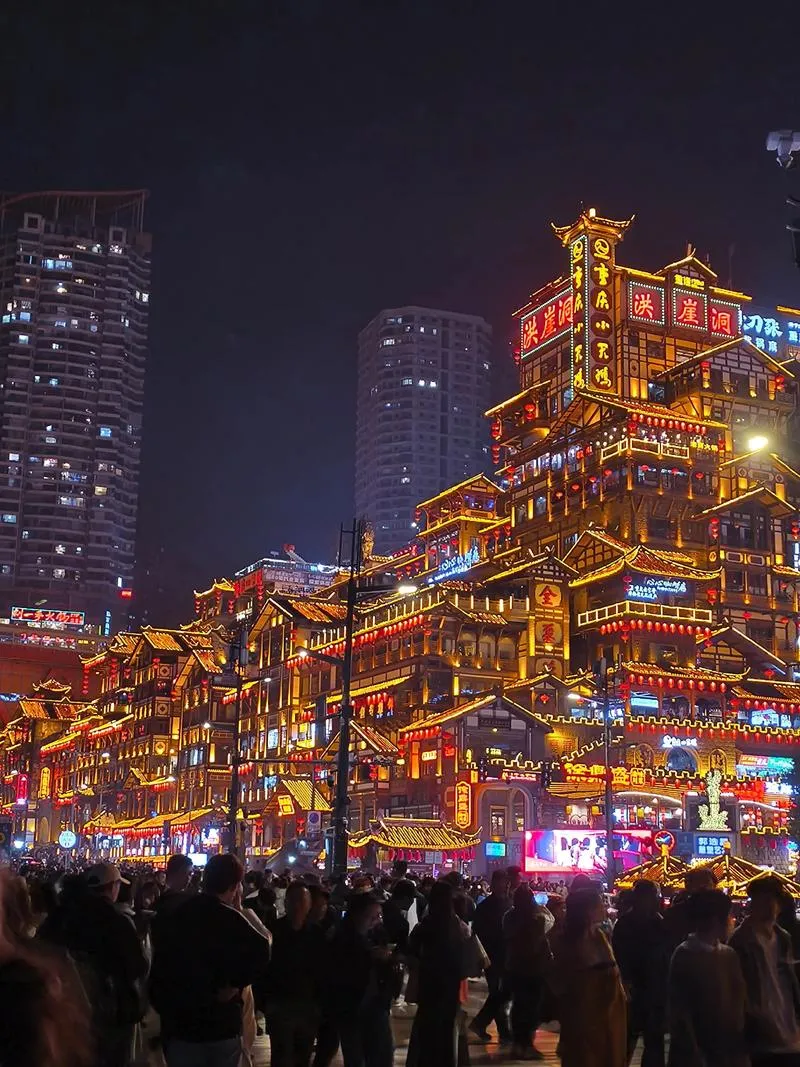 Hongya Cave — a real-life scene that rivals anything in Spirited Away, where food meets vertical nightlife
Must-eat dishes:
- Chongqing xiao mian (重庆小面) — Chongqing noodles, a bowl of chewy wheat noodles in a fiery, numbing broth
- Suan la fen (酸辣粉) — Sour and spicy sweet potato noodles
- Kao nao hua (烤脑花) — Grilled pork brain, a Chongqing specialty seasoned with chili and Sichuan peppercorns
- Shan cheng xiao tang yuan (山城小汤圆) — Mountain city mini glutinous rice balls in sweet soup
What makes it special: Chongqing’s mountain-topography night markets are built vertically — food stalls stacked up cliff sides, connected by staircases and overpasses, creating a three-dimensional food scene found nowhere else in the world. Hongya Cave, in particular, looks like it was plucked from a Studio Ghibli film.
Tips for visitors: Hongya Cave is spectacular but expensive and crowded. Locals recommend Danzishi Old Street for a more grounded experience. See our Chongqing travel guide for more.
6. Shangxiajiu and Baohua Road, Guangzhou
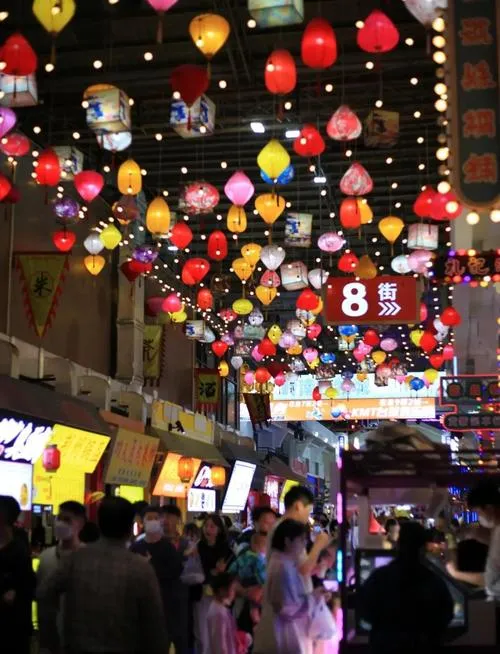 Guangzhou night market — authentic Cantonese street snacks under hundred-year-old qilou arcade buildings
Must-eat dishes:
- Niu za (牛杂) — Beef offal braised in a master stock with radish
- Cheong fun (肠粉) — Rice noodle rolls with various fillings
- Shuang pi nai (双皮奶) — Double-skin milk pudding, a silky, rich Cantonese dessert
- Ting zai zhou (艇仔粥) — “Boat congee,” a hearty rice porridge loaded with shrimp, fish, peanuts, and fried dough
- Char siu bao (叉烧包) — Barbecue pork steamed buns
What makes it special: Guangzhou’s night markets move at the slowest pace of any in China, reflecting the Cantonese philosophy of man man taan (慢慢叹) — “take your time and savor it.” No rush, no pretension, just food served slowly.
Tips for visitors: Follow the elderly uncles and aunties. If a stall has a long line of locals with gray hair, get in that line. Those regulars have been eating there for decades.
The Philosophy Behind Chinese Food — Why China Eats the Way It Does
”Food Is Medicine” (药食同源, Yao Shi Tong Yuan)
One of the foundational ideas of Chinese food philosophy is yao shi tong yuan — there is no hard line between food and medicine. Every ingredient carries a “nature” (cold, cool, warm, or hot) and a “flavor” (sour, bitter, sweet, pungent, or salty). Thoughtful combinations can tune the body like an instrument.
You see this everywhere in daily life:
- Winter lamb hot pot — Lamb is “warm” in nature; it dispels cold from the body during the harshest months.
- Summer mung bean soup — Mung beans are “cool”; they clear heat and relieve summer dampness.
- Ginger and brown sugar tea — A home remedy for dispelling cold and warming the stomach, commonly used during menstruation or after catching a chill.
- Chicken soup when you are sick — Embodies the TCM principle of xu ze bu zhi (虚则补之) — “when deficient, nourish."
"Color, Aroma, Flavor, Form” (色香味俱全, Se Xiang Wei Ju Quan)
Chinese cuisine judges a dish across four dimensions, not just taste:
-
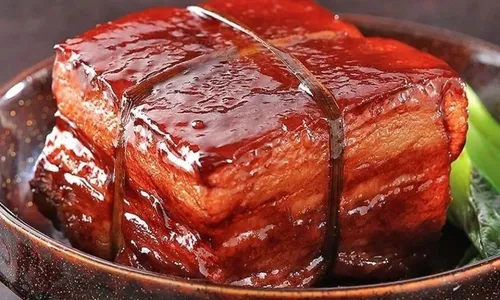
Color (色) — The visual appeal of a dish matters deeply. The ruby glaze of red-braised pork, the snow-white flesh of a perfectly steamed fish, the jewel-toned medley of kung pao chicken. A dish should please the eye before a single chopstick touches it.
-
Aroma (香) — The fragrance that rises when a dish arrives at the table is the first impression. This is where wok hei (锅气, “breath of the wok”) comes in — that distinctive charred aroma produced by high-heat stir-frying, which we explore in detail below.
-
Flavor (味) — Chinese cooking pursues layered, complex tastes. The ideal is wu wei tiao he (五味调和) — the harmony of the five flavors: sour, sweet, bitter, spicy, and salty.
-
Form (形) — Presentation and visual artistry. From intricately carved radishes to meticulously pleated dumplings, how a dish looks is inseparable from how it tastes.
”Reunion” (团圆, Tuan Yuan) — Food as the Fabric of Family
In Chinese culture, sharing food is how families stay close. The festival calendar is built around that idea:
-
New Year’s Eve dinner (年夜饭, nian ye fan) — The single most important meal of the year. Family members travel across the country — sometimes across the world — to be together. Every dish on the table carries auspicious symbolism: fish (鱼, yu) sounds like “surplus” — nian nian you yu (年年有余), “abundance year after year.” Dumplings (饺子, jiaozi) resemble ancient gold ingots. Tangyuan (汤圆, glutinous rice balls) symbolize tuan tuan yuan yuan (团团圆圆) — togetherness and completeness.
-
Mid-Autumn Festival mooncakes — Families gather to admire the full moon and share mooncakes. The roundness of the cake mirrors the roundness of the moon, which in turn symbolizes family unity and wholeness.
-
Qingming Festival green rice balls (青团, qing tuan) — Bright green glutinous rice dumplings filled with sweet red bean paste, eaten during Tomb-Sweeping Day as families honor ancestors and reunite.
-
Dragon Boat Festival zongzi (粽子) — Sticky rice dumplings wrapped in bamboo leaves, eaten to commemorate the poet Qu Yuan. Making zongzi together and sharing them with neighbors is as much a social ritual as a culinary one.
”Wok Hei” (锅气) — The Breath of the Wok
Wok hei is one of the hardest concepts in Chinese cooking to translate. It refers to the complex, smoky, slightly charred flavor that is born when ingredients, oil, and the seasoned surface of a carbon-steel wok collide at extreme heat in a matter of seconds.
In Guangdong, the highest praise for a stir-fried dish is gou wok hei (够锅气) — “it has enough wok hei.” Achieving it requires:
- A wok heated until it barely begins to smoke (above 200 degrees C / 392 degrees F)
- Fierce, continuous tossing so ingredients spend no more than 1—2 minutes in the pan
- Just enough oil at extreme heat to trigger the Maillard reaction and caramelization
This cooking philosophy embodies the Chinese concept of huo hou (火候) — literally “fire timing.” What matters is the cook’s feel for the right moment: when to flip, when to pull back, when to plate. A good cook reads the wok more than the recipe.
Essential Documentaries for Understanding Chinese Food
For travelers who want to go deeper into the culture behind the cuisine, these documentaries are the best starting point:
| Documentary (English / Chinese) | Episodes | Focus | Why It’s Worth Watching |
|---|---|---|---|
| A Bite of China (舌尖上的中国) | 7 (Season 1) | Regional cuisines and the human stories behind them | The most celebrated Chinese food documentary worldwide; every episode weaves food into deeply personal narratives |
| Once Upon a Bite (风味人间) | 8 (Season 1) | Chinese food in a global context | From the same team as A Bite of China; places Chinese cuisine on a world map alongside other great traditions |
| The Story of Chuaner (人生一串) | 6 (Season 1) | China’s barbecue and skewer culture | Focuses on the most down-to-earth night market food — grilled skewers — and the characters who make them |
| Breakfast in China (早餐中国) | 35 (Seasons 1—3) | Regional breakfast traditions across China | Each short episode profiles one local breakfast; brisk, vivid, and endlessly rewatchable |
| Flavor of Dongguan (寻味东莞) | 4 | The food of Dongguan, Guangdong | Dives deep into the heart of Lingnan cuisine, far from the tourist trail |
| Taste of Guangdong (老广的味道) | Multiple seasons | Cantonese food across Guangdong | A comprehensive survey of the breadth and diversity of Cantonese culinary culture |
Practical Tips for Food-Driven Travel in China
- Follow the locals. The best food in China is rarely in the most photographed location. Wander one block off the main tourist street and you will find where the actual residents eat.
- Learn a few food phrases. Bu la (不辣, “not spicy”), Wei la (微辣, “mildly spicy”), and Zhe ge shi shenme? (这个是什么, “what is this?”) will take you far.
- Embrace the unknown. Stinky tofu, grilled pork brain, rabbit head — these sound intimidating in English, but they are beloved for a reason. Try everything once.
- Carry cash and Alipay. Most night market stalls accept mobile payment now, but a few old-school vendors still prefer cash. See our guides to Beijing, Shanghai, Chengdu, Xi’an, Chongqing, and Hangzhou for city-specific food recommendations.
- Eat with the seasons. Chinese food culture is deeply seasonal. Ask what is fresh right now and you will eat better than if you follow a fixed list.
Sources: BBC Travel, Michelin Guide, Ohio State University (Fan Yang, 2015), Shanghai International Services Portal, Taiwan Panorama, Google Arts & Culture, Global China Insights, Smithsonian Magazine.
Sources & Verification
This guide was last verified on 2026-08-06. Key Chinese-language sources:
- A Bite of China / 舌尖上的中国 (CCTV documentary, dir. Chen Xiaoqing): the opening quote on taste and memory, plus the framing of regional cuisine through human stories. Named directly in the article.
- Ctrip (携程, ctrip.com): standard reference for night market locations, opening hours, and the local-recommended alternatives mentioned in the visitor tips (Jianshe Road and Yulin Road in Chengdu, the side streets of Xi’an’s Muslim Quarter, Danzishi Old Street in Chongqing).
- Dianping (大众点评, dianping.com): standard reference for stall-level food recommendations and the “follow the elderly locals” guidance for Guangzhou.
- Xiaohongshu (小红书): standard reference for current local-favorite stalls and brand notes, such as the Changsha bubble tea brand 茶颜悦色 (Cha Yan Yue Se).
Note: this is a culture and food guide, not a policy or ticketing guide. It draws on widely established culinary knowledge and the Chinese food documentaries named above rather than government notices or scenic-area official sites. The sources listed are the standard authoritative Chinese references for this topic.