Guangzhou Food Guide; Dim Sum, Yum Cha and the Capital of Cantonese Cuisine
There is an old Chinese saying; “Eat in Guangzhou, dress in Suzhou, play in Hangzhou, die in Liuzhou” (吃在广州,穿在苏州,玩在杭州,死在柳州); naming each city the historical master of one earthly pleasure: Suzhou for its silks and embroidery, Hangzhou for its West Lake, Liuzhou (in antiquity) for its fine coffin-woods, and Guangzhou for the table. “Eat in Guangzhou” (shi zai Guangzhou, 食在广州) is not a local boast but a national consensus: this is the cradle of Cantonese cuisine (Yue cai, 粤菜), one of China’s eight great culinary traditions, and a city where eating is not a pastime but the central social ritual around which daily life is organized.
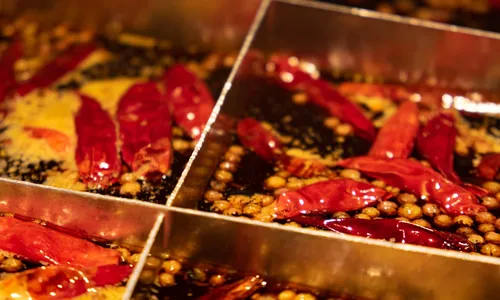
What sets Cantonese food apart is restraint. Where Sichuan overwhelms with chili and numbing pepper, Cantonese cooking worships the ingredient itself; a fish should taste like fish. The ideals are freshness, delicacy, clarity, and that elusive smoky char known as wok hei (锅气), “the breath of the wok.” If you eat one meal for the culture in China, make it a long, slow Sunday yum cha in a Guangzhou teahouse, bamboo steamers stacking up while the city goes about its morning.
How we verified this: SinoWander reads Chinese-language sources that English guides cannot, including Dianping (大众点评), restaurant chains such as 点都德 (Dian Dou De) and 广州酒家 (Guangzhou Restaurant), and Guangzhou food-street listings. We cross-check them before writing. We have not personally visited every location. Each guide is date-stamped when last verified: 2026-08-06. See our methodology.
Yum Cha (饮茶): The Cantonese Ritual of “Drinking Tea”
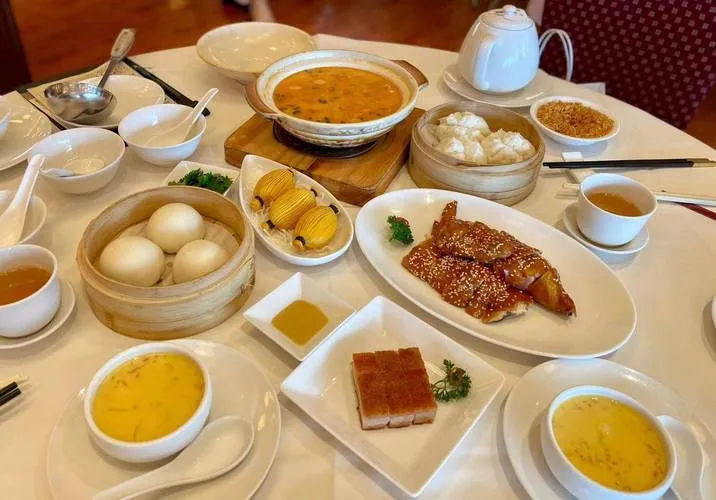
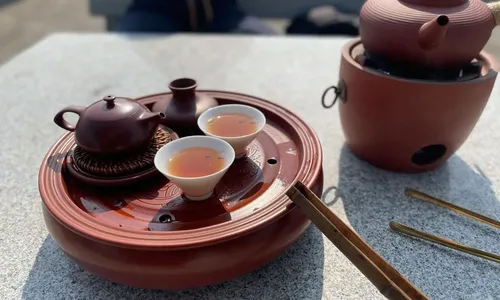
Yum cha literally means “drink tea,” but it denotes the whole morning institution: a pot of tea, then small plates of dim sum (点心, “touch the heart”) from bamboo steamers. Families come on weekends and stay for hours; it is brunch, tapas, and a social club rolled into one. (For the deeper history of the ritual, see our guide to Chinese tea culture and yum cha.)
The tea. You choose a tea as soon as you sit:
- Pu’er (普洱): dark, earthy, fermented; cuts the grease of rich dim sum.
- Tieguanyin (铁观音): a floral, lightly roasted oolong.
- Ju pu (菊普): chrysanthemum steeped into pu’er; mild and fragrant, the classic house blend.
Etiquette. When someone refills your cup, tap two or three fingers lightly on the table; the silent “thank you” of yum cha (kou zhi li, 叩指礼). When the pot runs dry, rest the lid half-open on the rim; a server refills it without being flagged. The first pour is often used to rinse cups and chopsticks; a local habit.
Timing. Traditional yum cha runs morning to mid-afternoon; the full atmosphere peaks weekends 9–11am, when the room is loud, steamy, and gloriously full. Popular spots queue on weekends; book ahead.
The Dim Sum Canon: What to Order
Ordering dim sum the first time is overwhelming; forty things on the cart, all tempting. These are the benchmarks a Cantonese grandmother would expect on the table.
| Dish | Chinese | What makes it good |
|---|---|---|
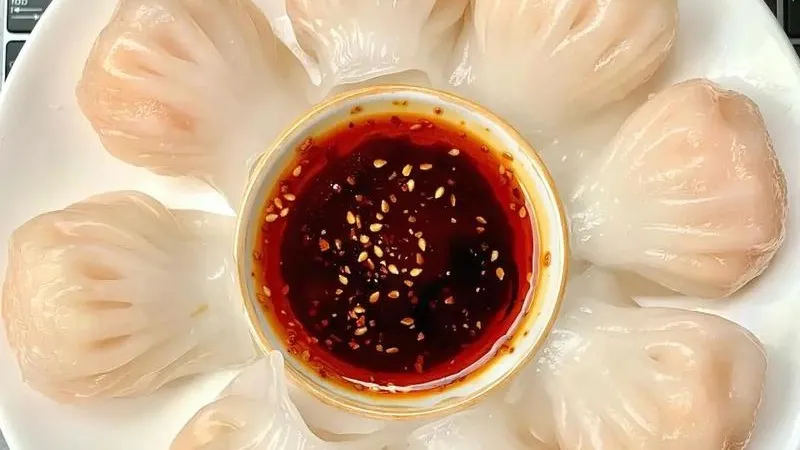
| Har Gow | 虾饺 | The king of dim sum. Wrapper thin and translucent enough to see the shrimp through, yet tough enough not to tear. Thick or cloudy wrapper = fail. |
| Siu Mai | 烧卖 | Open-topped, pork-and-shrimp filling, often crowned with crab roe or carrot. |
| Char Siu Bao | 叉烧包 | Fluffy steamed bun of sweet barbecue pork; a good one splits open naturally when steamed. |
| Cheung Fun | 肠粉 | Silky steamed rice-noodle rolls around shrimp, char siu, or beef, drenched in sweet soy. Should slip like custard. |
| Dan Tart | 蛋挞 | Flaky or shortcrust shell of silky baked custard; Guangzhou leans Macanese-Portuguese (blistered top). |
| Feng Zhao | 凤爪 | Chicken feet deep-fried, soaked, steamed in black-bean sauce: sticky, tender, far better than it sounds. A top seller. |
| Lo Bak Go | 萝卜糕 | Daikon-and-rice-flour cake with dried shrimp and sausage, pan-fried crisp at the edges. |
| Ma Lai Go | 马拉糕 | Steamed brown-sugar sponge, airy and gently sweet, with a honeycomb crumb. |
Siu Mei (烧味): The Window Roasts
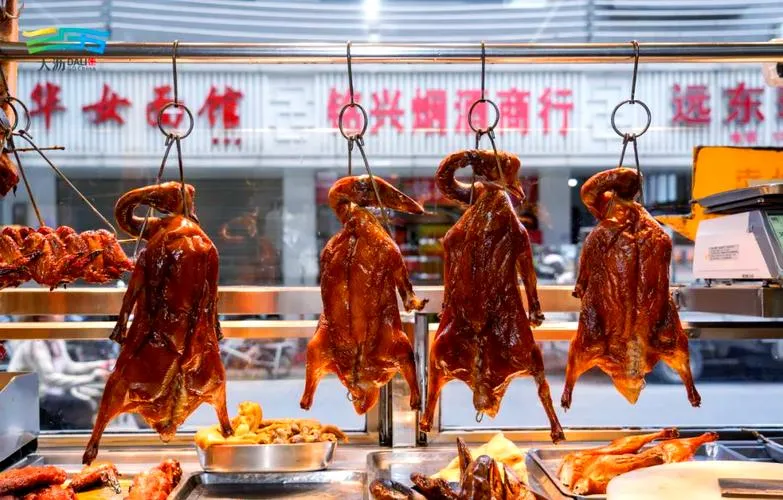
If dim sum is Guangzhou’s morning, siu mei is its lunch and dinner: meats roasted and glazed, hung on hooks in shop windows, chopped to order over rice. The golden row behind glass is an iconic image of southern China. (Cantonese roast goose also features among our 21 iconic Chinese dishes and their legends.)
| Siu Mei | Chinese | Character |
|---|---|---|
| Char Siu | 叉烧 | Honey-glazed barbecue pork, red and lacquered. |
| Roast Goose | 烧鹅 | The pride of Cantonese roasting: crackle-skinned, deep-flavored. |
| Crispy Pork Belly | 烧肉 | Glass-shard crackling over melt-in-mouth fat. |
| Soy Sauce Chicken | 豉油鸡 | Poached in a master soy broth; silky and savory. |
| Roast Suckling Pig | 烧乳猪 | Whole young pig, a single sheet of crackling skin; usually pre-ordered or for banquets. |
Order any two over rice (烧味双拼饭) with a ladle of meat juices; the classic fast lunch, around ¥30–55 (verify on Dianping).
Staples & Cantonese Desserts
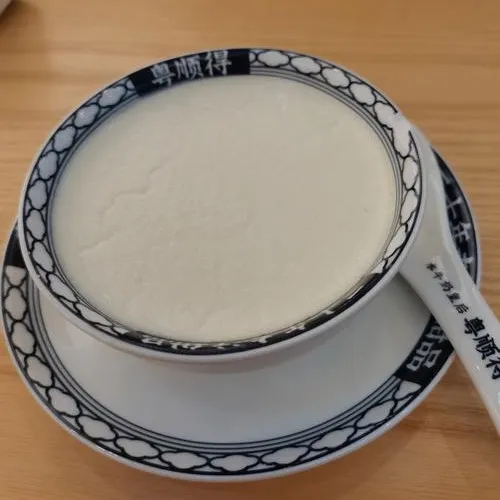
Beyond the steamers, Guangzhou’s everyday food splits into two worlds: staples (the carb mains that locals live on) and Cantonese desserts (tong sui 糖水, the sweet soups and puddings the region is famous for).
Staples (主食)
| Category | Chinese | Character |
|---|---|---|
| Wonton Noodles | 云吞面 | Springy alkaline noodles in clear broth with plump shrimp wontons; an everyday breakfast-and-late-night bowl. |
| Congee | 粥 | Cooked until the rice dissolves into silken porridge. Classic: century egg & lean pork (皮蛋瘦肉粥). Guangzhou original: sampan congee (艇仔粥), loaded with seafood, peanuts, fried noodles. |
| Claypot Rice | 煲仔饭 | Rice in a sizzling clay pot with cured meats or ribs, finished with a golden crust at the bottom. Best in winter. |
| Bu La Cheung Fun | 布拉肠粉 | The breakfast version of rice rolls: thinner, more delicate, rolled fresh on a cloth. |
Cantonese Desserts (广式甜品 / 糖水)
| Category | Chinese | Character |
|---|---|---|
| Double-Skin Milk | 双皮奶 | Silky steamed milk pudding from Shunde; eat warm with red bean. The dessert that defines the region. |
| Ginger Milk Pudding | 姜撞奶 | Hot milk poured over ginger juice so it sets: warming, with a faint spicy ginger edge. |
| Mango Pomelo Sago | 杨枝甘露 | Mango, sago, pomelo and coconut milk: the beloved cold Cantonese dessert. |
| Red Bean Soup | 红豆沙 | Traditional sweet tong sui, slow-cooked red beans, often with dried tangerine peel. |
Where to Eat in Guangzhou
Prices and branches must be verified on Dianping (大众点评) before a splurge meal.
- 点都德 (Dian Dou De): the most accessible dim sum chain for visitors: many branches, picture menus (some English), consistent quality. Order har gow, siu mai, cheung fun, egg tarts. Around ¥70–120/person (verify).
- 广州酒家 (Guangzhou Restaurant): the old-school institution for classic Cantonese and roast meats; banquet-grade, a piece of living history.
- 炳胜品味 (Bingsheng): contemporary, polished Cantonese; the roast goose has a national reputation.
- 泮溪酒家 (Panxi): a sprawling traditional teahouse among gardens and ponds in Lychee Bay; ideal for a long, atmospheric yum cha.
- Beijing Road & Shangxiajiu food streets: for grazing: siu mei rice plates, double-skin milk, sugar-cane juice, congee at all hours.
Practical Tips
- Timing. For the full yum cha atmosphere, go weekend 9–11am and book ahead. Weekdays are quieter but lose the theatre.
- Budget. Dim sum ¥60–130/person; a siu mei rice plate ¥30–55; street snacks and desserts ¥10–25. Two can feast for ¥150–250. (Confirm current prices on Dianping.)
- Beware opaque seafood pricing. Some places price fish and crab per 500g live-weight: bills balloon. Confirm the total dish price before it’s cooked.
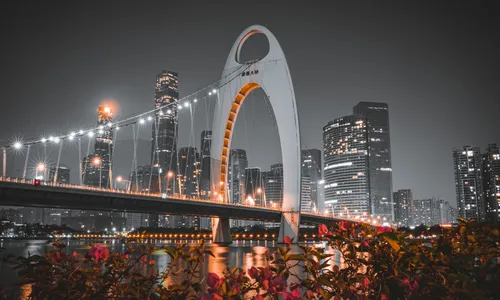
- Suggested visit. 1–2 days eats deeply; pair with a walk on Shamian Island (colonial-era riverfront) and an evening at the Canton Tower.
- Etiquette. Never plant chopsticks vertically into rice (it resembles funeral incense); tap two fingers to thank a tea-pourer; rinsing cups/chopsticks with the first hot pour is expected.
- Language. Major spots have picture menus / some English; elsewhere, pointing at the cart or the next table works. Carry the dish names above in Chinese.
Further reading
- Chinese Food Guide for Foreigners: the big-picture orientation
- 21 Iconic Chinese Dishes & Their Legends: Cantonese roast goose & claypot rice in context
- Chinese Tea Culture, Night Markets & Food Philosophy: the yum cha ritual and tea types, in depth
Guangzhou rewards the curious eater. Order one more steamer than you think you need, refill the tea, and stay.
Sources & Verification
This guide was last verified on 2026-08-06. Key Chinese-language sources:
- 大众点评 / Dianping (dianping.com): The article directs readers to verify prices (dim sum around ¥60-130/person, siu mei rice plates ¥30-55) and branch details on Dianping before any splurge meal.
- 点都德 / Dian Dou De: Named in the article as the most accessible dim sum chain for visitors, with picture menus and consistent quality.
- 广州酒家 / Guangzhou Restaurant: Named as the old-school institution for classic Cantonese cuisine and roast meats.
- 炳胜品味 / Bingsheng and 泮溪酒家 / Panxi: Named Cantonese restaurants referenced for roast goose and garden yum cha respectively.
The article names few external verification sources beyond Dianping; for current prices and branch details we lean on Dianping and the restaurants named in the text.