Forbidden City Guide for Foreigners (2026) — Tickets, Booking & Best Route
The Forbidden City — the Palace Museum (故宫博物院) — is the world’s largest imperial palace complex: 980 buildings, 720,000 m², and 600 years of Ming and Qing history behind ten-meter walls and a fifty-two-meter moat. It is the single most important stop on any Beijing trip.
But most English guides get the practical part wrong. They tell foreigners “you need WeChat to book.” You don’t. China uses two separate official channels: a WeChat mini-program for Chinese citizens (who enter with their national ID card), and a passport-friendly English booking website for everyone else. Getting this right is the difference between walking in and standing outside the wall. This guide covers what foreign visitors actually need — verified for 2026.
Pair this with our Beijing travel guide and China with Kids family guide to fit the Forbidden City into a bigger trip.
Tickets — 2026 prices (verified)
The Palace Museum uses season-based pricing:
| Ticket | Price | Notes |
|---|---|---|
| Main admission (peak season, Apr 1 – Oct 31) | ¥60 | |
| Main admission (low season, Nov 1 – Mar 31) | ¥40 | |
| Treasure Gallery (珍宝馆) | ¥10 | Separate ticket. Palace of Tranquil Longevity area — imperial jewels, the Stone Drums, Qing opera |
| Gallery of Clocks (钟表馆) | ¥10 | Separate ticket. Hall for Ancestral Worship — the famous European/Chinese clock collection |
The two galleries are the museum’s highlights and are not included in the main ticket. Many visitors only buy the main admission and miss them — don’t.
Discounts and free admission
| Visitor | Main ticket | Galleries |
|---|---|---|
| Students (ages 7–18 + undergraduates, excluding adult/continuing/graduate) | ¥20 | ¥5 |
| Seniors (60+) with ID | half price (¥30 peak / ¥20 low) | ¥5 |
| Children 6 and under | Free | Free |
| Visitors with a disability ID | Free | Free |
| Women (International Women’s Day, Mar 8) | Half price | ¥5 |
| One parent accompanying a child under 14 (Children’s Day, Jun 1) | Half price | ¥5 |
Local Tip: “Undergraduate” here means a genuine full-time bachelor’s student — adult-education, continuing-education, and graduate students do not qualify for the student rate. Bring your physical student ID or a letter from your school.
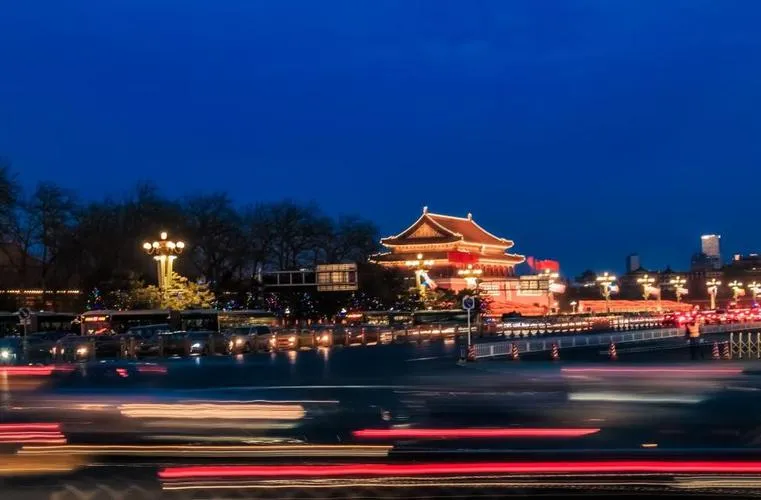
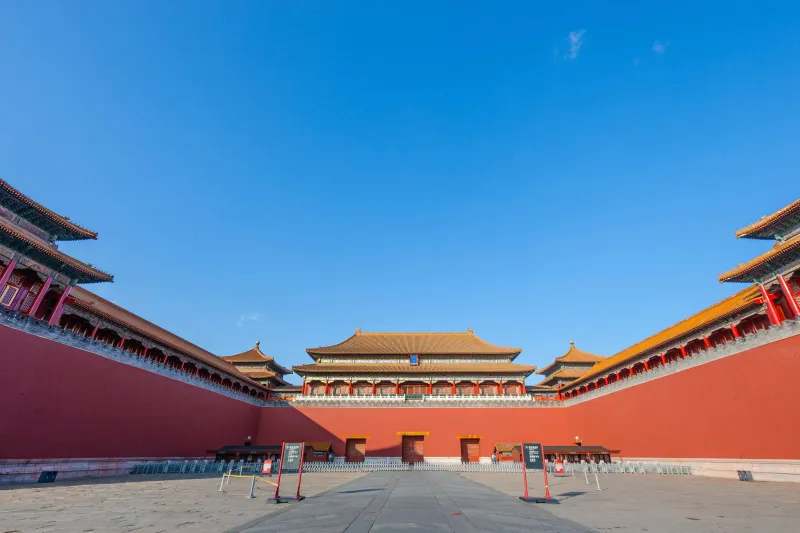 The Meridian Gate (午门) — the only entrance, on the south side facing Tian’anmen Square. Foreign visitors swipe the passport they booked with here.
How to book — the foreigner portal (this is the key part)
You cannot buy a ticket on the day. All tickets are pre-booked, capped at 40,000 visitors per day, and release 7 days in advance at 20:00 Beijing time. In peak season and around holidays they sell out — during drafting this guide, the next three weekdays were all sold out. Book the moment your window opens.
Here’s the part most guides fumble:
- Foreign visitors book at the official English portal: bookingticket.dpm.org.cn. It is in English by default, you register with an email, and at step 2 you enter your passport details. You do not need WeChat.
- The WeChat “故宫博物院” mini-program is the channel for Chinese citizens, who check in with their national ID card. The official site states plainly that the mini-program is for ID-card holders.
- The Palace Museum authorizes no third-party sellers. Use only these two official channels — scalper and “agent” tickets are a common scam.
Booking flow (5 steps): ① pick a date and ticket quantity → ② enter each visitor’s passport information → ③ select exhibitions (Treasure Gallery / Gallery of Clocks) → ④ confirm → ⑤ receive your reservation. Bring the same passport you booked with — you’ll swipe it at the gate.
Local Tip: Tickets split into a morning session (check in by 12:00 noon) and an afternoon session (check-in opens 11:00). Either lets you stay until closing; just pick the slot that fits your day.
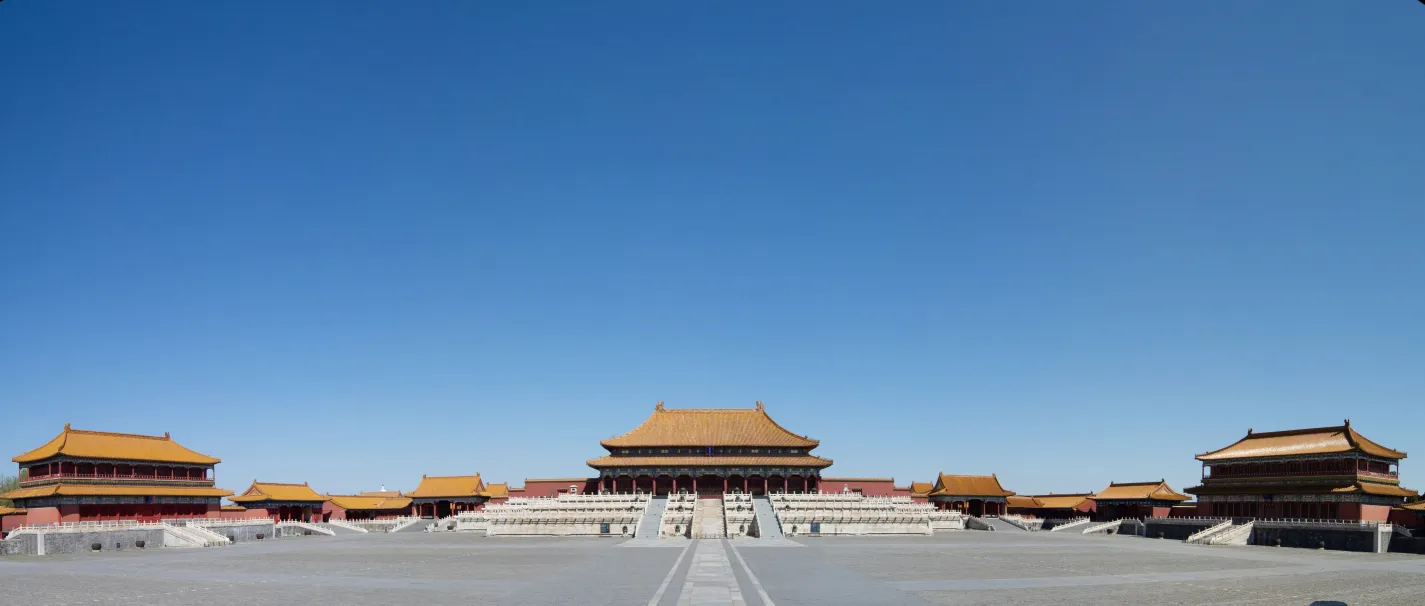 The Hall of Supreme Harmony (太和殿) — the throne hall and the largest building in the complex, where emperors were crowned.
Opening hours
- Open Tuesday–Sunday. Closed Mondays — including most weeks of the year (the only Monday openings are national holidays, and it’s closed on Chinese New Year’s Eve). Plan Beijing so the Forbidden City falls on a weekday.
- Peak season (Apr 1–Oct 31): 8:30–17:00, last entry 16:00
- Low season (Nov 1–Mar 31): 8:30–16:30, last entry 15:30
Getting there and the one-way route
The nearest subway stops are Tian’anmen East and Tian’anmen West on Line 1. From either it’s a short walk south through Tian’anmen Square to the entrance.
The visit is strictly one-way, south to north:
- Enter: Meridian Gate (午门, Wumen) — the south gate, the only entrance
- Exit: Gate of Divine Prowess (神武门, Shenwumen) on the north, or East Prosperity Gate (东华门, Donghuamen) on the east
You cannot backtrack. This shapes your whole day: when you exit on the north side, Prospect Hill (景山公园, Jingshan Park) is directly across the street — climb it for the classic panoramic view over the entire palace (see below).
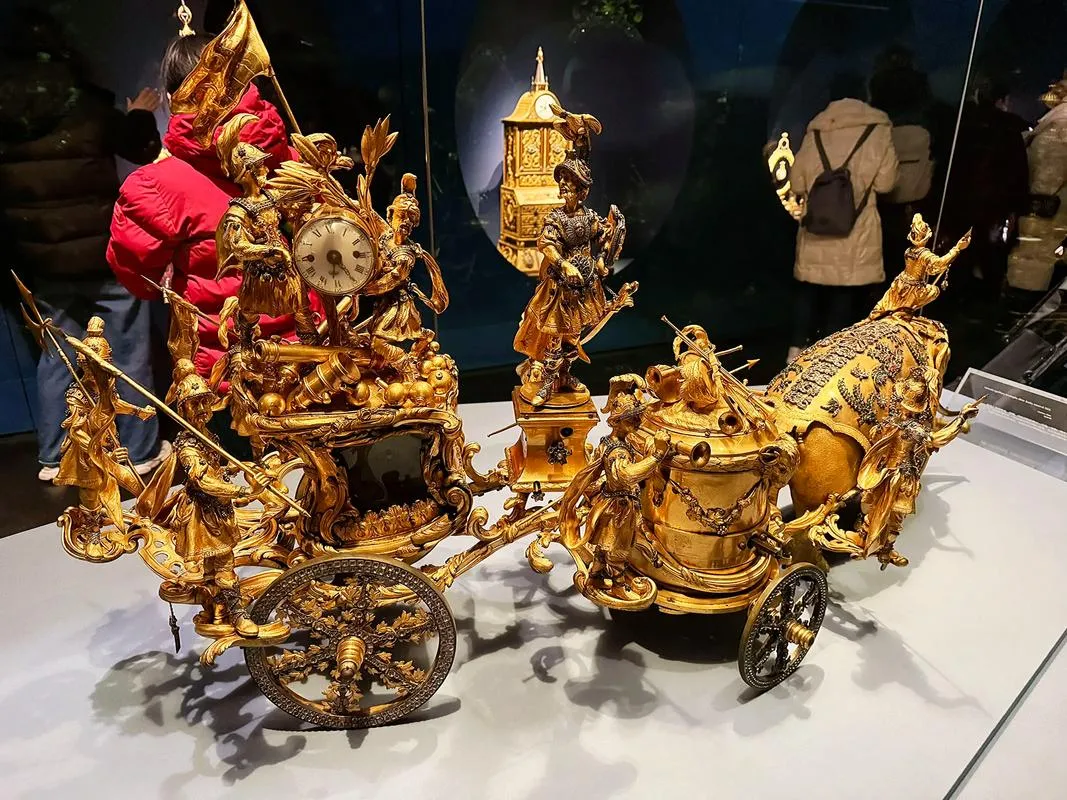 The Gallery of Clocks (钟表馆) — 18th-century mechanical timepieces from Europe and China, with timed demonstrations of the clocks in motion. A separate ¥10 ticket, and worth timing your visit around.
What to see — six halls and two galleries
The complex runs along a central axis from south to north. The six must-see halls line up in order:
- Hall of Supreme Harmony (太和殿) — the throne hall, the largest and grandest building, where emperors were crowned and held great ceremonies
- Hall of Central Harmony (中和殿) — the emperor’s rest stop before ceremonies
- Hall of Preserving Harmony (保和殿) — imperial banquets and the final stage of the civil-service exams
- Palace of Heavenly Purity (乾清宫) — emperors’ bedroom and office
- Hall of Union (交泰殿) — stored the imperial seals; empresses received concubines here
- Palace of Earthly Tranquility (坤宁宫) — the empress’s chambers ⚠️ temporarily closed in 2026 — see below
Then the two paid galleries, both east of the axis:
- Treasure Gallery (珍宝馆) — imperial jewelry, jade, and the Stone Drum collection
- Gallery of Clocks (钟表馆) — an extraordinary collection of 18th-century mechanical clocks (European and Chinese), with timed demonstrations of the clocks in motion. Worth timing your visit around.
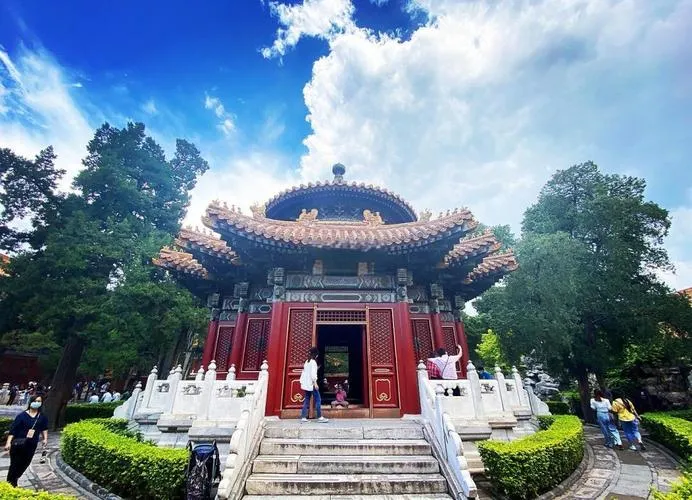 The Imperial Garden (御花园), at the north end of the central axis — ancient cypresses, pavilions and rockeries, where the visit ends before the exit gate.
Three routes, depending on your time
- 2 hours — the central axis (classic): Meridian Gate → the three great halls (Supreme/Central/Preserving Harmony) → the three inner palaces (Heavenly Purity / Union / Earthly Tranquility) → Imperial Garden → Gate of Divine Prowess. The greatest hits, end to end.
- Half day — axis + one wing: add either the west wing (Hall of Mental Cultivation, Six Western Palaces, painting/calligraphy gallery) or the east wing (Treasure Gallery, Six Eastern Palaces, ceramics gallery). Choose east if you want the galleries, west for a quieter, more residential feel.
- Full day — in depth: central axis + both wings + all the special exhibitions. Only for dedicated fans; wear comfortable shoes — it’s nearly a kilometer long.
Local Tip: If you only have two hours, skip the galleries (they need an hour each) and just walk the axis. If you have a half day, pick the east wing so the Treasure Gallery and Gallery of Clocks are on your route.
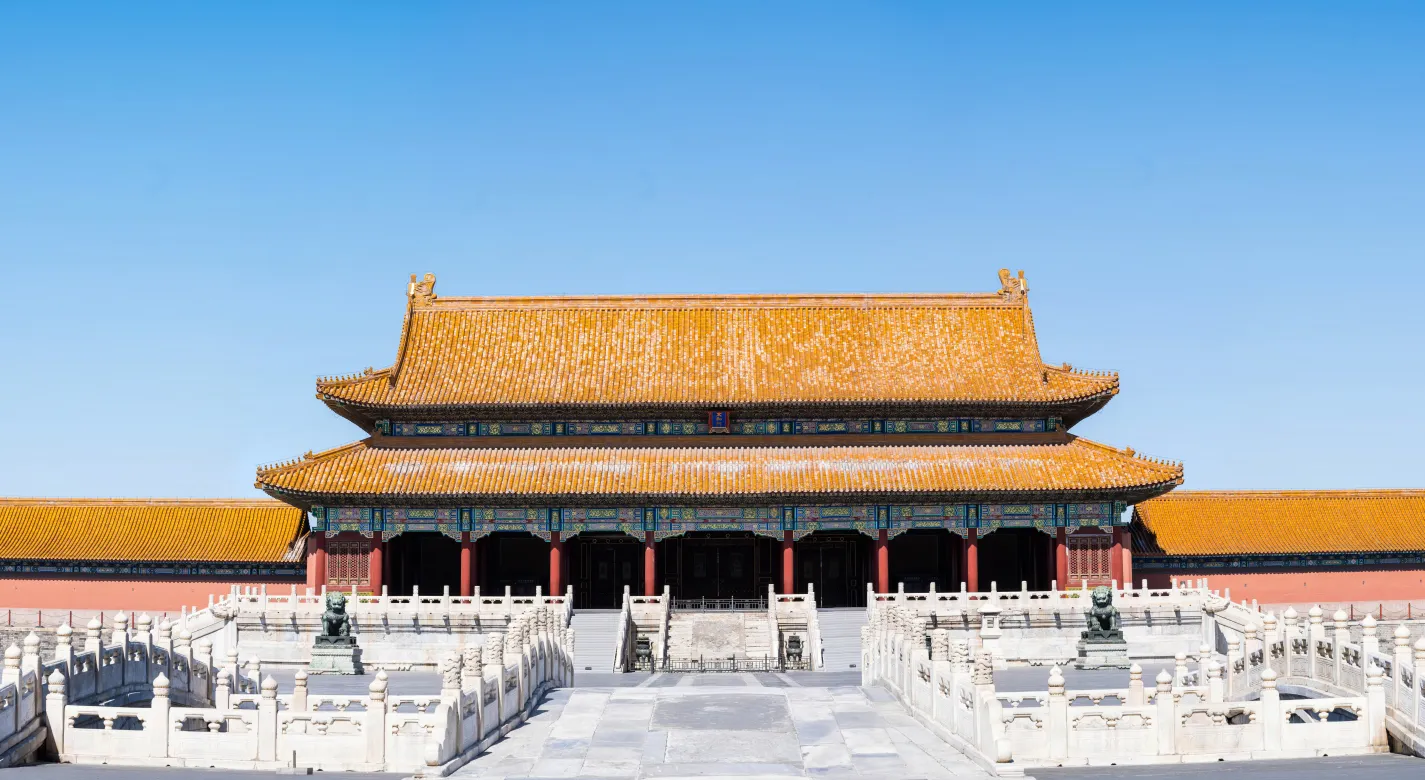 Red walls and yellow-glazed roof tiles — the architectural language of the Forbidden City, repeated across nearly a thousand buildings.
⚠️ 2026 temporary closures (check before you go)
Two areas were closed for conservation at the time of writing (verify on the official site’s announcement page before your trip):
- Palace of Earthly Tranquility (坤宁宫) — closed since 2026-05-29. This is one of the six axis halls, so the central route is slightly shortened.
- Ceramics Gallery at the Hall of Martial Valor (武英殿陶瓷馆) — closed since 2026-06-13.
Everything else on the routes above remains open.
Practical tips
- Go early. Arrive for the 8:30 opening to see the central courts with the fewest people. By mid-morning the Hall of Supreme Harmony square is packed.
- Avoid Mondays and holidays. Mondays are closed; National Day (early October) and Labor Day (early May) weeks are the most crowded and the first to sell out.
- Photo spots: the southeast and southwest corner towers (角楼) reflected in the moat are the iconic shot (best at sunrise/sunset); the Hall of Supreme Harmony square for scale; the Imperial Garden for detail; and the Jingshan Park panorama after you exit the north gate — the single best overview of the whole complex.
- Food and drink: cafes and a restaurant inside (including the corner-tower cafe / 冰窖餐厅 area), but options are limited and overpriced — eat a real meal before or after, in nearby Wangfujing (east of the palace).
- Luggage: a left-luggage service is available near the Meridian Gate entrance; large bags aren’t allowed inside.
- Audio guide: available for rent — worthwhile if you want context without a guide; English-language.
- Time the clock demonstration: the Gallery of Clocks runs scheduled demonstrations of the mechanical clocks in motion; check the time when you enter and plan around it.
 The view over the Forbidden City from Prospect Hill (景山), directly across the north exit — the classic way to end a visit, especially at sunset.
Fit the Forbidden City into your Beijing trip
The Forbidden City is a half-day minimum (central axis + one gallery). Pair it with:
- Tian’anmen Square (right south of the entrance) — same morning
- Jingshan Park (right north of the exit) — immediately after, for the panorama
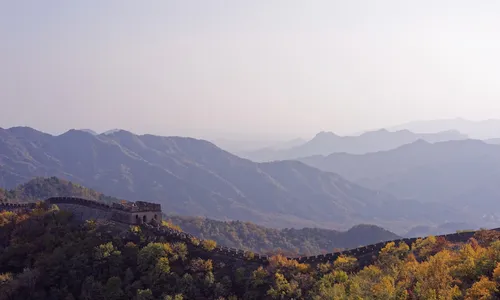
- The Great Wall at Mutianyu — a separate full day; see our Great Wall hiking guide
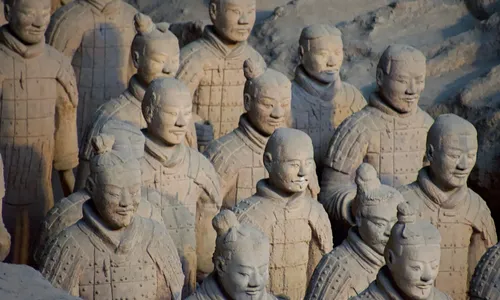
- A full 3–4 day Beijing plan — see our Beijing travel guide, or drop it into a 7-day Beijing–Xi’an–Shanghai itinerary
For the official source on anything above, the Palace Museum’s English site is intl.dpm.org.cn and the booking portal is bookingticket.dpm.org.cn.