China SIM Card vs. eSIM (2026) — Which Should You Choose?
China SIM Card vs. eSIM (2026) — Which Should You Choose?
Staying connected in China is not as simple as landing and turning on your phone. The country’s internet controls block Google, WhatsApp, Instagram, and many other western services, and Google Play is inaccessible from mainland networks. Choosing the right option before you arrive matters. What follows compares travel eSIMs, local SIM cards, and international roaming on price, real-world performance, and fit for your trip.
How we verified this: SinoWander reads Chinese-language sources that English guides cannot, including the three telecom operators’ official sites, Ministry of Industry and Information Technology rules, and traveler reports on Xiaohongshu. We cross-check them before writing. We have not personally tested every SIM and eSIM. Each guide is date-stamped when last verified: 2026-08-06. See our methodology.
The Four Options at a Glance
| Option | Best For | Approximate 7-Day Cost | Setup Difficulty |
|---|---|---|---|
| Travel eSIM | Most travelers | $4-40 | Easy (pre-departure) |
| Local SIM card | Long stays, need a Chinese number | $4-15 (30-day plans available) | Moderate (after arrival) |
| International roaming | Very short trips, low data needs | $70-105 (US carriers) | Easiest (no setup) |
| Pocket WiFi | Groups, multiple devices | $15-44 | Moderate (rent/return) |
Why Most Travelers Pick an eSIM
A travel eSIM is a digital SIM profile you install by scanning a QR code; no physical card, no store visit, no identification required. Most international eSIMs route data through overseas servers, which means they can access Google, WhatsApp, and other blocked services without needing a VPN. For travelers who need Gmail and Maps on arrival, that removes the usual VPN setup.
Airalo: Best Overall
| Plan | Data | Validity | Price |
|---|---|---|---|
| 1 GB | 7 days | $4.00 | |
| 5 GB | 30 days | ~$15.50-18.00 | |
| 10 GB | 30 days | ~$25-26.50 | |
| 20 GB | 30 days | ~$40-44.00 | |
| 50 GB | 30 days | ~$89.00 |
- Uses China Unicom’s 4G/5G network
- Supports hotspot tethering on most plans
- App-based setup is among the simplest available
- Covers 200+ countries globally
Best for: Most short-to-medium trips. The 5 GB plan at around $16 is enough for a week of maps, messaging, ride-hailing, and moderate browsing.
Holafly: Best for Unlimited Data
| Duration | Price | Daily Average |
|---|---|---|
| 5 days | ~$27 | ~$5.40/day |
| 7 days | ~$39 | ~$5.57/day |
| 15 days | ~$49 | ~$3.27/day |
| 20 days | ~$60 | ~$3.00/day |
| 30 days | ~$80 | ~$2.67/day |
- Truly unlimited data: tested at over 100 GB per day without throttling
- Can access Google, Instagram, WhatsApp without a separate VPN
- Covers 220+ countries
- Supports hotspot sharing (with some limitations on unlimited plans)
Best for: Heavy users, content creators, long-stay travelers, and anyone who does not want to track data usage.
Nomad: Best Budget Option
| Plan | Approximate Price |
|---|---|
| 5 GB | ~$12 |
| 10 GB | ~$20 |
| 20 GB | ~$35 |
- Lowest entry prices among major eSIM providers
- Multiple plan durations available
- May have reduced reliability in rural areas
Saily: Best for Tethering
Hotspot-friendly policies make Saily a strong choice for travelers who need to share data with a laptop or tablet. Fixed-data and larger plans available at mid-range prices.
Local Tip: If you use a Holafly or similar VPN-bypassing eSIM for data, and your regular SIM card remains active for calls and texts, you get unrestricted internet plus your original phone number for verification codes. Set up this dual-SIM configuration before you leave home.
Local SIM Cards: Best for Extended Stays
If you are staying more than a few weeks or need a Chinese phone number (required for some apps like Meituan), a local SIM card is worth the effort.
Note that a local SIM here means a physical card. China has not opened local eSIM profiles to foreign visitors; the eSIM products Chinese carriers launched in 2026 (China Unicom’s MWC Shanghai lineup, for example) serve Chinese users traveling out of China, not visitors arriving in. Inside China your options remain a physical SIM, an international roaming eSIM, or your home carrier’s roaming.
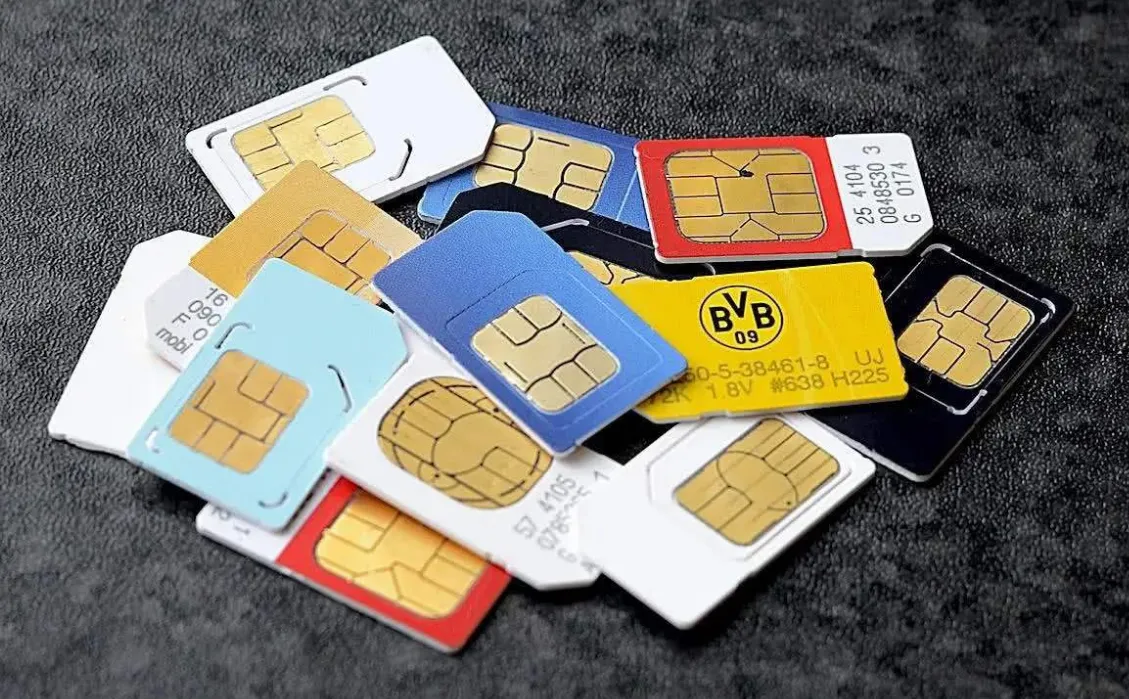 Physical SIM cards from China’s three carriers — Unicom, Mobile, and Telecom. Available at airport kiosks and carrier stores with passport registration.
China Unicom (中国联通): Top Pick for Foreigners
- Best international device compatibility (WCDMA network)
- Tourist SIM: ~30 yuan ($4) for 3 GB over 3 days
- Monthly plan: 39 yuan/month for 220 GB; a strong deal for long stays
- 4G/5G coverage in all major cities
- Purchase at airport kiosks or Unicom stores (bring your passport)
China Mobile (中国移动)
- Widest coverage nationwide, including rural and remote areas
- Essential for trips to western China, mountains, or off-the-beaten-path destinations
- 300 GB plan starts around 500 yuan ($74)
- International device compatibility can be hit-or-miss
China Telecom (中国电信)
- Competitive short-term plans
- Stable network quality in cities
- Lower international brand recognition: less English support
CUBe Card: Data, Payment, and Transit in One
Launched in January 2025 by China Unicom in partnership with Bank of China and Beijing Municipal Card, the CUBe Card bundles three functions in one SIM:
- Mobile data and calls (Unicom network)
- Payment (Bank of China integration)
- Public transit (Beijing municipal transit card)
Available for just 38 yuan (~$6) with passport-only registration at designated airport counters. No need to download separate payment apps; useful for short stays if you want one card for data, payment, and transit.
Avoid: All Chinese local SIM cards are subject to the Great Firewall. You will not be able to access Google, WhatsApp, or other blocked services without a VPN. If accessing western services matters to you, pair a local SIM with a VPN or use an international eSIM for data instead.
International Roaming: Simplest but Priciest
US Carrier Rates
| Carrier | Daily Cost | Includes |
|---|---|---|
| T-Mobile | $0 (included in Go5G/Magenta plans) | 15 GB high-speed on top-tier Go5G Next plan; 5 GB on Go5G Plus/Magenta MAX; unlimited texts; calls $0.50/min |
| Verizon | $12/day | Unlimited talk, text, data |
| AT&T | $12/day | Uses your domestic plan allowance |
T-Mobile users have a clear advantage: if you are already on a qualifying plan, China roaming is effectively free. For Verizon and AT&T customers, a week in China costs $84 in roaming fees alone, making an eSIM the obvious cheaper choice.
Key Advantage of Roaming
International roaming naturally bypasses the Great Firewall because your data routes through your home carrier’s servers. You can access all western services without a VPN. The tradeoff is cost and speed; roaming data may be slower than a local connection.
Network Performance Comparison
| Method | City Download Speed | Rural Speed | Stability |
|---|---|---|---|
| Local SIM (direct) | 50-300 Mbps | 10-50 Mbps | Best |
| eSIM (roaming) | 20-100 Mbps | 5-20 Mbps | Good |
| International roaming | 15-80 Mbps | 5-15 Mbps | Good |
| VPN + local network | 10-50 Mbps | Unpredictable | Variable |
Gizmodo’s 2026 real-world testing across Beijing, Shanghai, and Shenzhen over 14 days ranked providers: Saily (best overall performance), Holafly (best unlimited with built-in VPN bypass), Airalo (best value), Ubigi (adequate), Nomad (unreliable; not recommended).
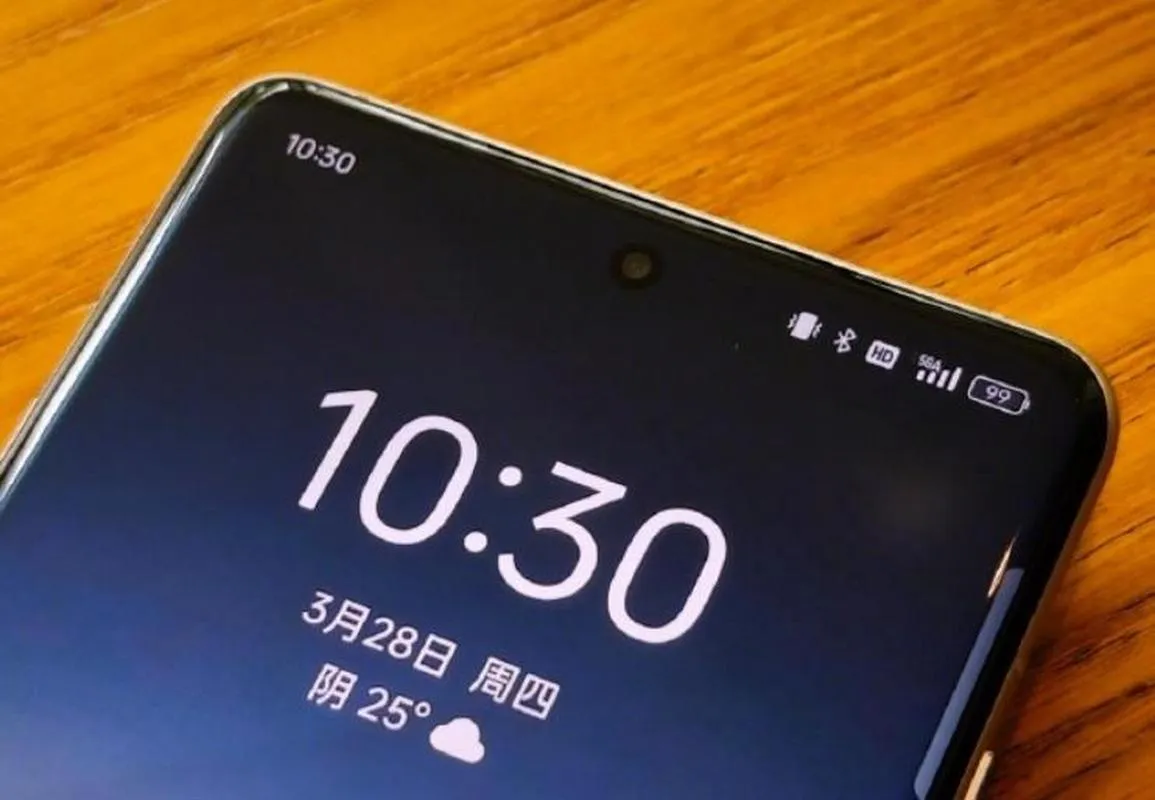 A local SIM delivers the fastest city speeds — often 50–300 Mbps on 4G/5G — though a VPN is still required to reach blocked western services.
Setup Instructions
eSIM Setup (Do This Before You Fly)
- Buy: Purchase your China eSIM plan on the provider’s website or app.
- Receive: Get a QR code and installation instructions by email.
- Install: On WiFi, go to Settings > Cellular > Add eSIM (iPhone) or equivalent on Android. Scan the QR code. Takes 2-3 minutes.
- Screenshot: Save the QR code and setup instructions as offline backups.
- Activate: After landing in China, enable the eSIM line and turn on data roaming. Your primary SIM stays active for calls and texts.
Local SIM Setup (After Arrival)
- Find an airport kiosk or carrier store.
- Present your passport for real-name registration (mandatory).
- Choose a prepaid plan and pay.
- The staff will activate your card on the spot.
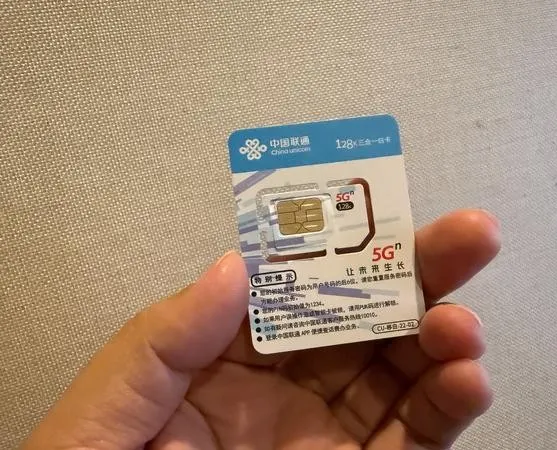 A China Unicom carrier store (营业厅) — staff handle passport registration and activate your SIM on the spot.
How Each Option Handles the Great Firewall
Understanding how each connectivity option interacts with China’s internet controls is essential for making the right choice. The core principle: any data connection that routes through servers outside mainland China can access blocked services without a VPN. Any connection that routes through mainland Chinese servers is subject to the Firewall.
-
International eSIMs route through overseas servers (usually Singapore, Hong Kong, or Japan). This means Google, WhatsApp, Instagram, and other blocked services work out of the box, with no VPN to install or configure.
-
International roaming also routes through your home carrier’s servers. Same benefit as eSIMs, but at a much higher price.
-
Local SIM cards route through Chinese servers. You get the fastest speeds and best Chinese app compatibility, but you cannot access blocked services without adding a VPN on top.
-
Hong Kong-routed SIM cards are a clever hybrid; physically in China, but data passes through Hong Kong. Both Chinese and western services work, though speeds may be slower.
The practical implication: if staying connected to Gmail, Google Maps, WhatsApp, or social media during your trip matters to you (and for most travelers it does), then a local SIM card alone will not suffice. You either need a local SIM plus a VPN, or an international eSIM that handles the routing automatically.
Data Usage Planning
How much data do you actually need? It depends heavily on your usage patterns:
| Activity | Data per Hour | Notes |
|---|---|---|
| Google Maps / Amap navigation | ~5-10 MB | Relatively light |
| WeChat messaging | ~1-5 MB | Text-heavy, very light |
| WhatsApp voice calls | ~0.5-1 MB/min | Moderate |
| Instagram / social media scrolling | ~50-100 MB | Images and video add up fast |
| YouTube / video streaming | ~300-700 MB | The biggest data consumer |
| Video calls (Zoom, FaceTime) | ~200-500 MB | Significant |
Light users (navigation + messaging + ride-hailing): Budget 1-3 GB per week. A 5 GB eSIM plan covers a 7-10 day trip comfortably.
Moderate users (add social media and translation apps): Budget 5-10 GB per week. Consider a 10-20 GB plan or an unlimited option.
Heavy users (video calls, hotspot sharing, heavy social media): Budget 15+ GB per week. An unlimited plan from Holafly removes the data cap.
Recommendations by Travel Type
| Traveler Type | Recommended Solution | Why |
|---|---|---|
| 1-7 day tourist | Airalo eSIM (5 GB, ~$16) | Easy setup, covers a week, no VPN needed |
| 7-14 day traveler | Holafly unlimited (~$39-49) | No data anxiety, VPN-free access |
| Digital nomad (1+ month) | China Unicom monthly plan (39 yuan) + VPN | Cheapest long-term, best local app compatibility |
| Business traveler | Airalo or Saily eSIM | Reliable, quick setup, tethering support |
| T-Mobile customer | Use included roaming (free) | No extra cost, built-in Firewall bypass |
| Group/family | Saily eSIM (tethering) + pocket WiFi | Share data across multiple devices |
| Rural/western China | China Mobile physical SIM | Best coverage outside cities |
Practical Information
| Item | Details |
|---|---|
| eSIM device requirements | iPhone XR or later; most 2020+ Android flagships |
| Must phone be unlocked? | Yes: carrier-locked phones cannot use third-party eSIMs |
| Data usage guide | Light (maps + messaging): 1-3 GB/week. Moderate (social media + browsing): 5-10 GB/week. Heavy (video + tethering): 15+ GB/week |
| Payment for eSIMs | Credit card, PayPal, Apple Pay |
| Payment for local SIMs | Cash, Alipay, WeChat Pay |
Avoid: Do not buy a local SIM from unauthorized street vendors. Counterfeit or improperly registered cards can be deactivated without warning. Only purchase from official carrier stores, airport kiosks, or verified platforms like Trip.com and KKday.
Prices surveyed in June 2026 and subject to change. Always confirm current rates on provider websites before purchasing.
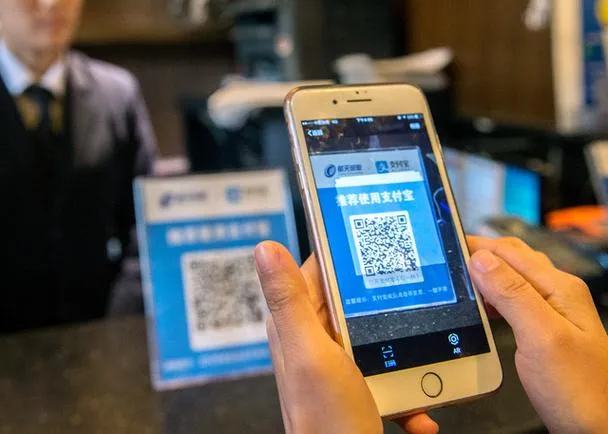
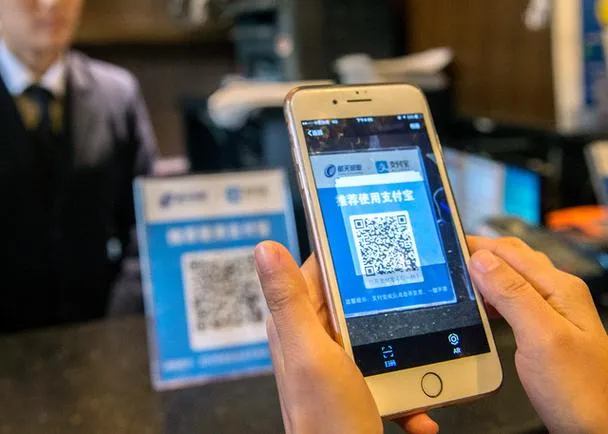 Scanning an eSIM QR code before departure — the recommended setup process.
Sources & Verification
This guide was last verified on 2026-08-06. Key Chinese-language sources:
- 中国联通 / 中国移动 / 中国电信 (China Unicom, China Mobile, China Telecom): Local SIM card plans, passport-based registration, and pricing for foreign visitors.
- Airalo / Holafly / Saily: Travel eSIM coverage in China and the overseas-server routing that keeps western apps working.
- 工信部 (Ministry of Industry and Information Technology, miit.gov.cn): Rules on foreigner SIM registration and the 2026 eSIM product scope (mainly outbound for now).
- 小红书 and 知乎 (Xiaohongshu, Zhihu): Traveler reports on real-world data speeds and which option works best at the airport.
See our full verification methodology.
Related Articles
- How to Get Internet in China (2026): Full comparison of all connectivity options
- What Apps to Download Before Going to China: The complete app checklist
- China Packing List (2026): What to bring, what to leave behind